
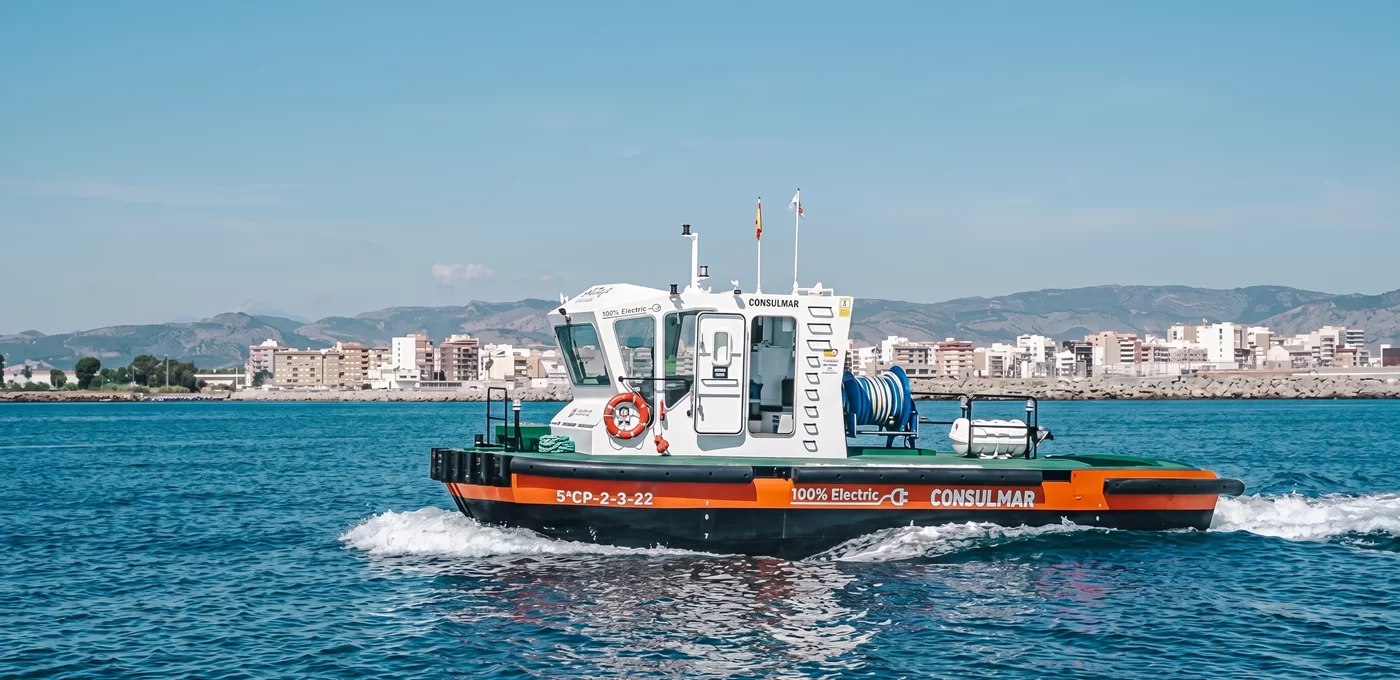
Elektrikli Tekne
kategori:
Elektrikli Tekne
Proje tarihi:
June, 2024
yer:
Spain
Reliable Lithium Battery System for Modern Electric Boats
Lithium battery system for electric boats is becoming a core technology for modern marine propulsion and zero emission vessel development.
Marine battery systems, electric vessel batteries, and marine propulsion battery solutions are increasingly replacing conventional diesel power in coastal and passenger vessels.
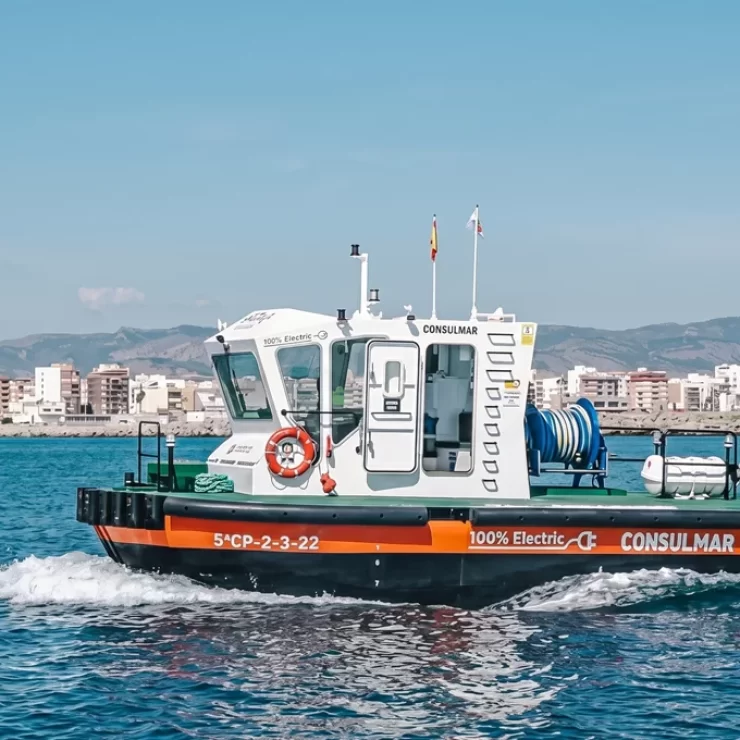
This project presents a detailed technical overview of Brogen’s first all electric boat project and explains the lithium battery system architecture, configuration, and operational performance behind its successful deployment.
Projeye Genel Bakış
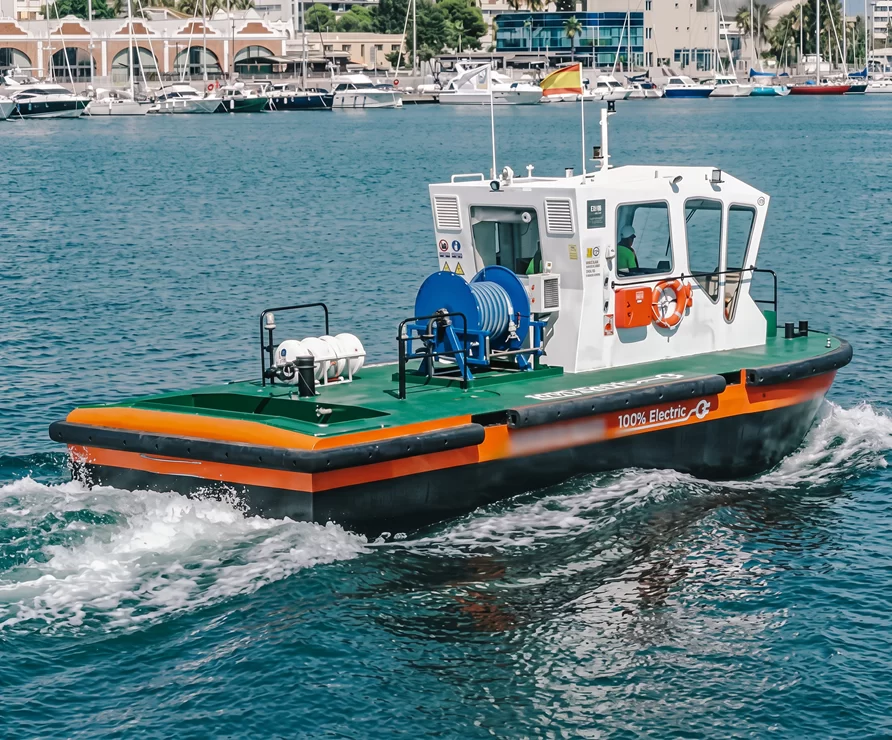
Brogen’s first fully electric boat project in Spain represents an important milestone in the transition toward sustainable maritime transportation. The project demonstrates how a properly engineered lithium battery system for electric boats can provide reliable propulsion power while meeting strict marine safety requirements.
The vessel operates using a fully electric propulsion system powered by a high capacity marine lithium battery solution. This system replaces traditional diesel engines and supports clean vessel operation within ports and coastal routes. The implementation required careful coordination between battery design, control systems, and vessel integration.
The project also serves as a reference model for future electric vessel battery deployment across commercial marine sectors.
Engineering Design of the Lithium Battery System for Electric Boats
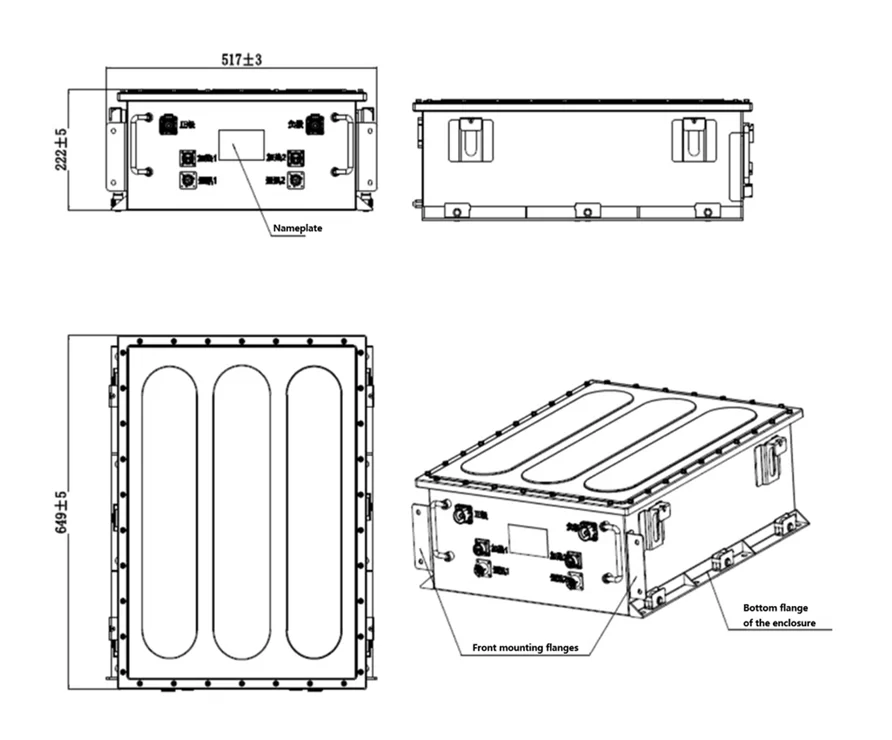
The lithium battery system for electric boats installed in this project was designed using a modular architecture that allows flexibility, reliability, and safe operation under demanding marine conditions.
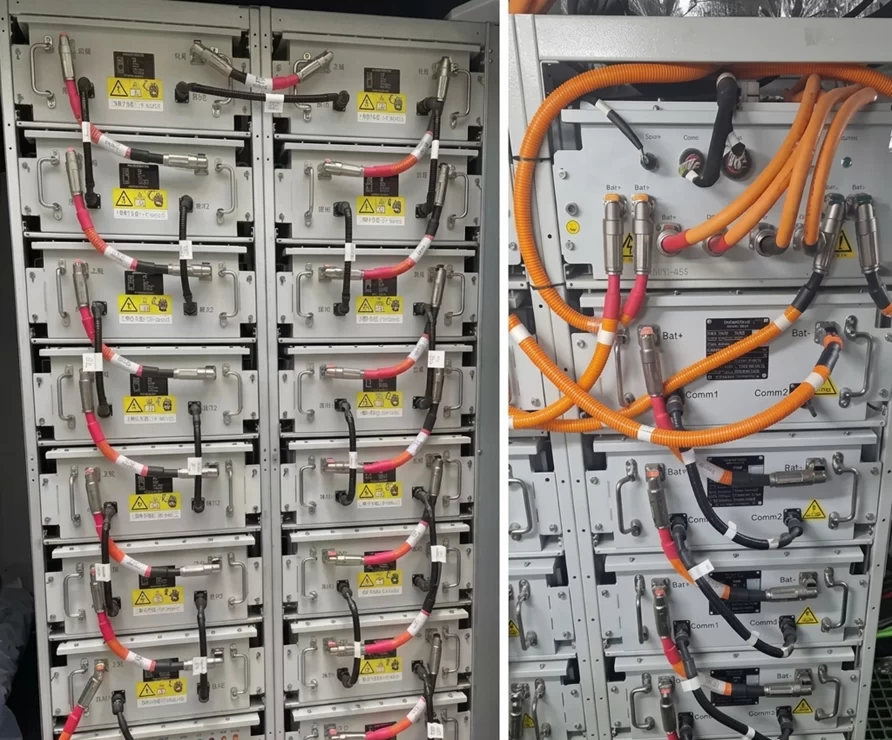
The engineering structure includes battery modules, mechanical support racks, electrical protection components, and integrated control units. Each subsystem performs a specific function to maintain stable system operation.
The battery configuration uses lithium iron phosphate chemistry, which is widely selected for marine applications due to its strong safety characteristics, stable thermal behavior, and long service life.
The design also includes independent battery group structures. This arrangement improves system reliability by isolating faults and preventing the spread of electrical issues across the entire system.
Key Technical Specifications of the Electric Boat Battery System
The battery configuration used in Spain’s electric vessel project was developed to support stable propulsion performance while maintaining safe electrical operation.
The following table summarizes the primary battery configuration used in the project.
Lithium Battery System Configuration
| Serial No. | Proje | Açıklama |
|---|---|---|
| 1 | Combination mode | 2 × LF105 4P180S |
| 2 | Nominal voltage | 576 V |
| 3 | Nominal capacity | 2 × 420 Ah, Useable capacity: 2 × 336 Ah at 80 percent DOD |
| 4 | Voltage range | 522 to 630 V |
| 5 | Nominal energy | 483.84 kWh |
| 6 | Ağırlık | About 4.4 t including battery rack |
This configuration delivers a total energy capacity of 483.84 kWh, which supports full vessel propulsion and onboard electrical supply.
The battery racks are installed with reinforced structural support to withstand vibration and marine motion during operation.
The Electric Boat Battery Cell Characteristics and Parameters
Battery cell performance is a critical factor in determining the overall reliability of a marine battery system. The project uses lithium iron phosphate battery cells that provide consistent output and stable cycling behavior.
The table below summarizes the battery cell and pack parameters used in the system.
Battery Cell Parameters
| Aspects | Parametreler | Yorum |
|---|---|---|
| Cell type | Square lithium iron phosphate | |
| Nominal capacity | 105 Ah at 1.0C discharge | |
| Nominal gerilim | 3.2V | |
| Internal impedance | Less than or equal to 0.5 mΩ | |
| Monomeric cell weight | 1980 ± 100 g | |
| Single cell voltage range | 2.5 V to 3.65 V | Operating voltage 2.9 V to 3.5 V |
| Operating temperature range | Charge 0°C to 55°C Discharge minus 20°C to 55°C | |
| Max continuous charge discharge ratio | 1C or 1C | |
| Cycle life | Greater than or equal to 3500 times with clamp cycle | Test environment 25 ± 2°C Test rate ladder charging and 1C discharge cycle |
| Size | 201 mm × 130.8 mm × 37.2 mm maximum |
These cell characteristics ensure reliable energy output across varying environmental conditions.
The Marine Lithium Battery System's Safety Design and Monitoring Strategy
Battery safety is one of the most critical requirements in marine battery engineering. The lithium battery system for electric boats integrates a multi layer Battery Management System that monitors operational parameters in real time.
The system continuously tracks voltage, temperature, and current across each battery module. This allows the control system to detect abnormal behavior and respond quickly to prevent potential failures.
Electrical isolation is applied between battery groups to reduce risk and improve safety performance. Protective enclosures are also used to prevent exposure to moisture, vibration, and corrosion.
Thermal management functions maintain stable operating temperatures across the system. This ensures consistent performance during long duration propulsion cycles.
Integration of the Lithium Battery System with the Vessel Propulsion System
The lithium battery system delivers power directly to the vessel propulsion system through a controlled electrical interface.
Stable voltage delivery ensures consistent motor performance and efficient energy conversion. Electric propulsion powered by lithium battery systems produces significantly less noise and vibration compared to conventional diesel engines.
Operational testing confirmed that the system maintained stable energy output during continuous vessel operation. The battery system also demonstrated strong energy balancing capability and reliable response during repeated charging and discharge cycles.
These results confirm the practical reliability of lithium battery systems for marine propulsion applications.
Practical Value of the Lithium Battery System for Future Marine Projects
Spain’s electric vessel project demonstrates the commercial feasibility of lithium battery technology in marine transportation.
The project highlights how electric vessel battery systems can support environmental sustainability goals while maintaining operational reliability. It also shows that large capacity marine lithium battery solutions can be deployed in real vessel environments without compromising safety.
From an industry perspective, this implementation provides valuable engineering reference data for shipbuilders, marine integrators, and fleet operators considering electrification strategies.
The project supports the broader transition toward low emission maritime transport and establishes a foundation for future electric vessel development.
Conclusion: Power for Electric Vessels
The lithium battery system for electric boats used in Spain’s first all electric vessel demonstrates the successful integration of high capacity lithium energy storage into marine propulsion systems.
With a total energy capacity of 483.84 kWh, reinforced structural design, and reliable battery cell technology, the system provides stable propulsion power while maintaining strict safety performance.
This project confirms that marine lithium battery solutions are capable of supporting real vessel operations and will play an increasingly important role in the future of maritime electrification.
Sorumluluk Reddi: Gösterilen proje detayları temsili örneklerdir. Teknik özellikler ve performans, müşteri gereksinimlerine ve çalışma koşullarına bağlı olarak değişebilir. Gizli proje verilerini korumak için bazı bilgiler değiştirilebilir.
Sıkça Sorulan Sorular
What is Brogen’s marine EV battery solution?
Brogen’s marine EV battery solution is a high-performance lithium-ion energy system designed for electric vessels, supporting full electrification of boats, ferries, and other marine applications with safe and efficient energy storage.
What types of vessels can this solution be used for?
It is suitable for a wide range of vessels, including yachts, ferries, fishing boats, workboats, cargo vessels, and offshore service boats operating in inland and coastal waters.
What battery configurations are available for marine use?
Brogen offers modular battery packs, battery strings, and containerized battery systems, with scalable energy capacity ranging from small vessel setups to large-scale marine propulsion systems.
How does the battery system maintain safety during operation
Safety is maintained through electrical isolation, temperature monitoring, voltage control, and protective enclosures. The Battery Management System continuously monitors system conditions and responds to abnormal behavior.
What industries can benefit from electric boat battery systems
Passenger transport operators, harbor service providers, tourism fleets, and coastal logistics companies can benefit from lithium battery systems. These systems support emission reduction goals and reduce long term fuel dependency.
Bana ulaşın
E-posta adresiniz yayınlanmayacaktır. Zorunlu alanlar * ile işaretlenmiştir
 English
  Español
  Português do Brasil
  Türkçe