
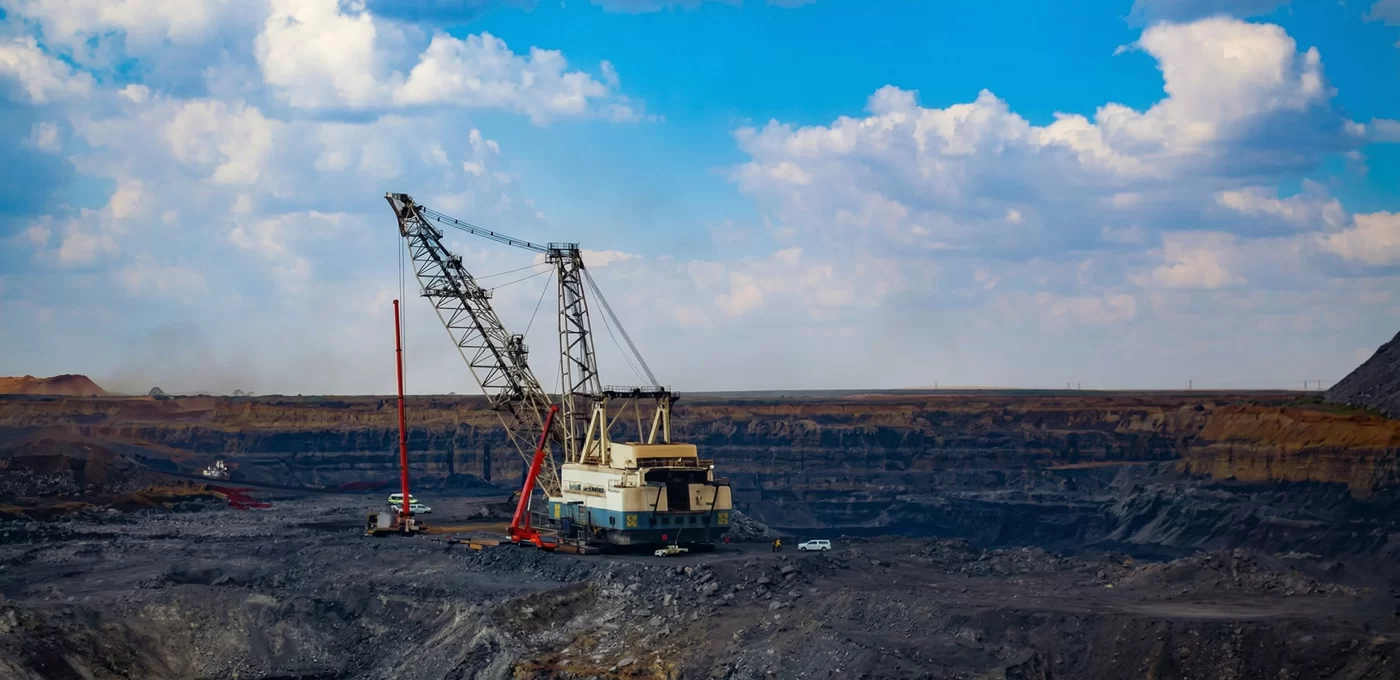
Equipamento de perfuração elétrica
categoria:
Eletrificação industrial
Data do PROJETO:
março, 2025
Localização
Austrália
Projeto de equipamentos de perfuração elétricos na Austrália
O eletrificação de equipamentos de perfuração projeto na Austrália, realizado por Brogen, marca uma importante transição das máquinas tradicionais movidas a diesel para sistemas elétricos totalmente integrados, projetados para uso industrial exigente.
Ao combinar soluções de baterias tipo “blade”, a eletrificação de caminhões pesados e equipamentos elétricos de perfuração, o projeto estabelece uma plataforma escalável capaz de suportar operações contínuas em condições de alta carga.
Este artigo apresenta toda a trajetória de engenharia por trás do projeto, incluindo as decisões de projeto do sistema, as estratégias de integração da bateria e os resultados operacionais alcançados durante a implantação.
Visão geral do projeto
O projeto de eletrificação de equipamentos de perfuração na Austrália foi desenvolvido para modernizar operações industriais de alta carga que, historicamente, dependiam de equipamentos movidos a diesel. O objetivo era criar uma solução totalmente elétrica capaz de manter os mesmos padrões de desempenho e, ao mesmo tempo, melhorar a eficiência e a sustentabilidade a longo prazo.
O projeto teve início oficial em janeiro de 2025, com o objetivo de eletrificar equipamentos de perfuração e veículos pesados associados, utilizados em ambientes operacionais exigentes. Esses ambientes normalmente exigem que os equipamentos operem por longos períodos sob tensão mecânica contínua, tornando a confiabilidade um requisito fundamental do projeto.
O escopo da eletrificação incluiu:
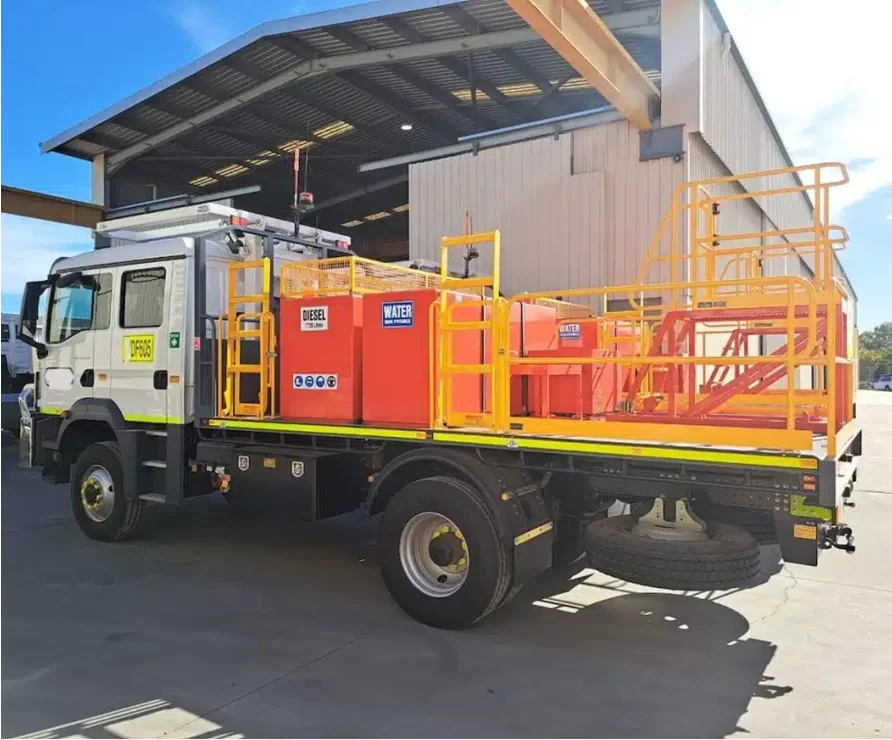
- Caminhões elétricos de 15 e 18 toneladas
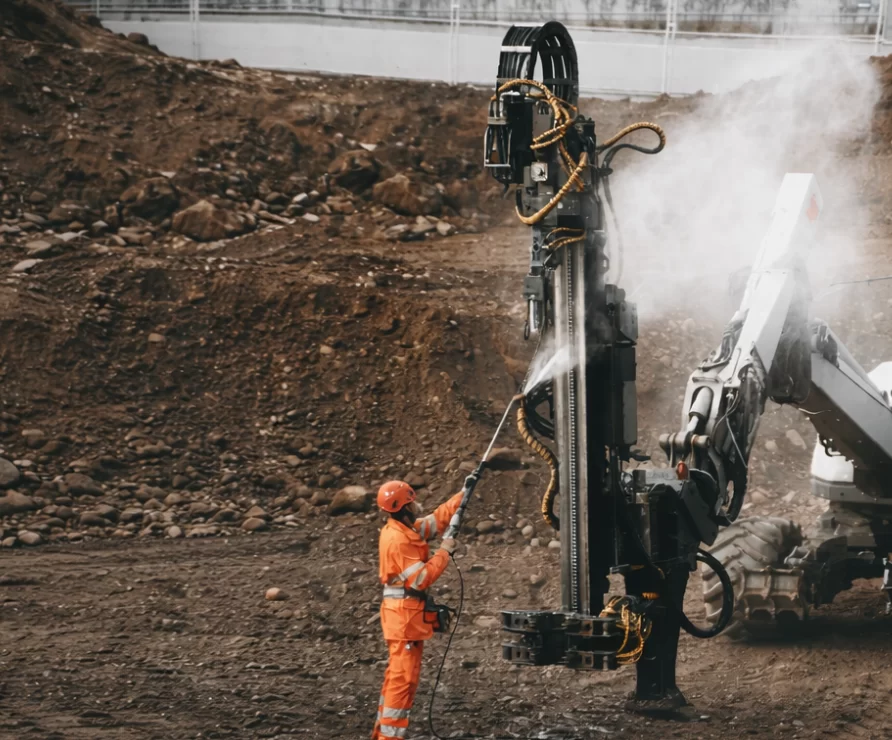
- Sistemas de acionamento elétrico para operações de perfuração
- Sistemas integrados de bateria que proporcionam maior autonomia
- Arquitetura de alimentação e controle
A solução foi projetada para atender setores industriais como mineração, perfuração e construção, nos quais os equipamentos devem funcionar de maneira confiável em locais remotos e em condições variáveis de terreno.
Desafios na eletrificação de equipamentos de perfuração na Austrália
A transição das operações tradicionais de perfuração para plataformas elétricas trouxe vários desafios de engenharia que exigiram um planejamento cuidadoso e coordenação em nível de sistema.
Um dos desafios mais significativos consistiu em alcançar capacidade energética suficiente, ao mesmo tempo em que se trabalhava dentro de restrições rigorosas de espaço no veículo. Os caminhões de perfuração para serviços pesados exigiam aproximadamente 500 kWh de capacidade útil da bateria para manter a continuidade operacional ao longo de ciclos de trabalho prolongados. No entanto, o espaço disponível para instalação no chassi do veículo limitava o tamanho e a configuração dos sistemas de bateria.
Avaliações iniciais realizadas com gabinetes padrão para baterias de fosfato de ferro e lítio (LFP) demonstraram que apenas cerca de 350 kWh poderiam ser instalados no espaço disponível. Aumentar a capacidade utilizando projetos convencionais teria exigido o desenvolvimento de novos moldes e reformulações estruturais, resultando em custos mais elevados e prazos de desenvolvimento mais longos.
Outro desafio fundamental dizia respeito à confiabilidade. O cliente exigia tecnologias comprovadas, capazes de oferecer desempenho previsível sem introduzir riscos desnecessários ao desenvolvimento. O sistema de eletrificação precisava, portanto, contar com componentes maduros, capazes de suportar cargas de trabalho industriais de longa duração.
Esses desafios moldaram as decisões finais de engenharia, levando, por fim, à adoção de tecnologia avançada de baterias em forma de lâmina e de métodos de integração otimizados.
Arquitetura de sistema para a eletrificação de equipamentos de perfuração na Austrália
Uma arquitetura de sistema robusta foi essencial para garantir um desempenho estável em todas as condições operacionais. A solução final integra vários componentes de alto desempenho em uma plataforma de eletrificação coordenada.
O equipamento de perfuração elétrico conta com motores de acionamento de alta potência, configurados especificamente para dar suporte a operações de perfuração hidráulica. Foram utilizadas duas configurações de motor:
- Motores de acionamento elétrico de 110 kW
- Motores de acionamento elétrico de 220 kW
Esses motores fornecem a pressão hidráulica e o torque necessários para os processos contínuos de perfuração.
Para a propulsão do veículo, o sistema de eletrificação de caminhões pesados inclui:
- Motor de propulsão elétrico de 360 kW
- Motor de propulsão de alta potência de 550 kW
- Caixa de câmbio integrada
- Controlador de motor
- Sistema de controle de transmissão
Essa configuração permite a movimentação confiável do veículo em terrenos irregulares e sob condições de carga pesada, comumente encontradas em ambientes de perfuração industrial.
O sistema foi projetado para sincronizar o funcionamento do equipamento de perfuração com a propulsão do veículo e o fornecimento de energia, garantindo um desempenho estável em todas as etapas operacionais.
Especificações técnicas do projeto de eletrificação do equipamento de perfuração
| Parâmetro | Especificação | Descrição |
|---|---|---|
| Localização do projeto | Austrália | Implantação para operações de perfuração industrial |
| Data de início do projeto | Janeiro de 2025 | Fase inicial da implantação da eletrificação |
| Aplicativo | Eletrificação de equipamentos de perfuração | Fluxos de trabalho de perfuração industrial para serviços pesados |
| Tipo de veículo | Caminhões elétricos de 15 e 18 toneladas | Projetado para condições operacionais de uso intenso |
| Tipo de bateria | Sistema de bateria Blade | Arquitetura de bateria de alta densidade |
| Configuração da bateria | 5 pacotes de 100 kWh | Disposição modular da bateria em módulos |
| Capacidade total da bateria | 500 kWh | Oferece maior autonomia operacional |
| Potência do motor de acionamento da perfuração | 110 kW / 220 kW | Fornece potência hidráulica para perfuração |
| Potência do motor de propulsão | 360 kW / 550 kW | Permite a circulação de veículos pesados |
| Sistema de gerenciamento de bateria | BMS integrado | Garante o monitoramento seguro da bateria |
| Sistema de gerenciamento térmico | BTMS | Mantém a temperatura da bateria estável |
| Distribuição de energia | PDU integrada | Controla o fornecimento de energia elétrica |
Solução de baterias Blade para a eletrificação de caminhões pesados
Uma característica marcante deste projeto de eletrificação de equipamentos de perfuração na Austrália é a implementação de uma solução de bateria tipo “blade” projetada especificamente para aplicações em caminhões pesados.
Para atingir a capacidade de bateria exigida de 500 kWh, os engenheiros adotaram uma configuração modular composta por:
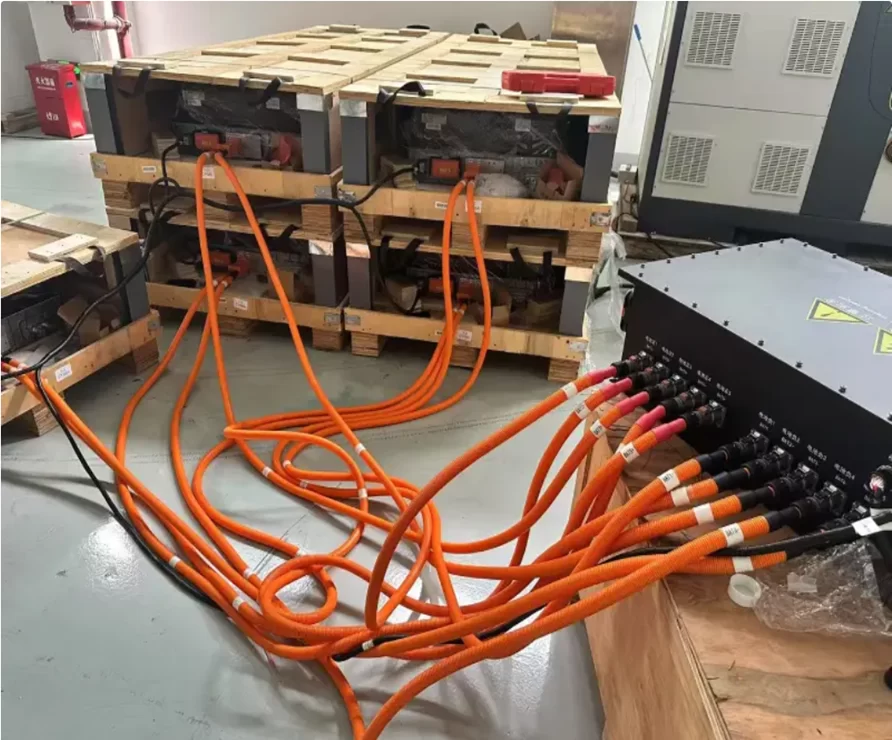
- Cinco conjuntos de baterias Blade de 100 kWh
Essa estratégia modular permitiu que o sistema atendesse às necessidades energéticas sem ultrapassar as limitações estruturais do chassi do caminhão.
A tecnologia de baterias da Blade utiliza a arquitetura Cell-to-Pack (CTP), que elimina as estruturas intermediárias dos módulos e aumenta a densidade energética geral. Esse projeto permite uma utilização mais eficiente do espaço, mantendo ao mesmo tempo uma sólida estabilidade mecânica.
Outra vantagem dos sistemas de baterias blade reside em sua robustez estrutural. A estrutura alongada das células melhora as características de dissipação de calor e garante um funcionamento estável em condições ambientais adversas. Essas características tornam a integração das baterias blade particularmente adequada para projetos de eletrificação industrial que exigem desempenho consistente.
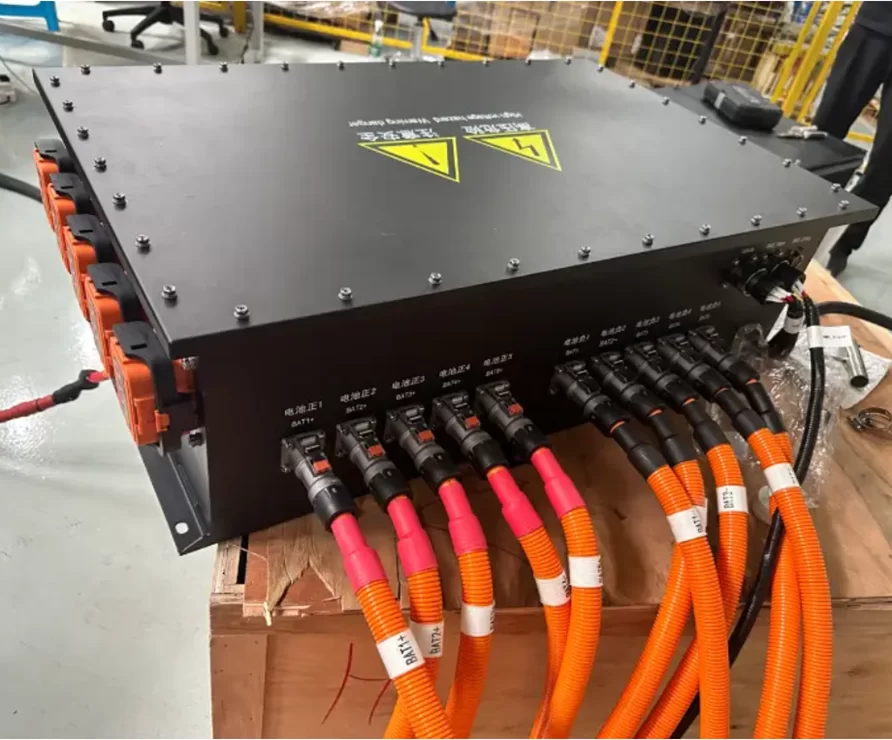
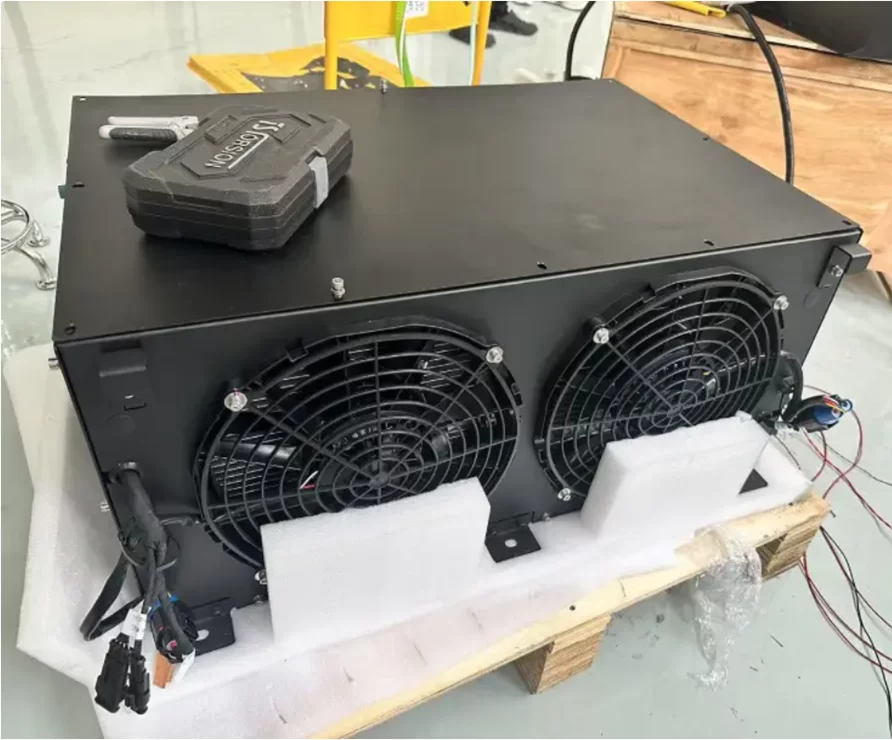
Configuração do sistema de bateria Blade
| Componente | Configuração | Função |
|---|---|---|
| Quantidade de conjuntos de baterias | 5 pacotes | Oferece armazenamento modular de energia |
| Capacidade por embalagem | 100 kWh | Projeto modular padronizado |
| Capacidade total do sistema | 500 kWh | Suporta ciclos de operação prolongados |
| Arquitetura da bateria | Cell-to-Pack (CTP) | Melhora a eficiência do espaço |
| Disposição da bateria | Instalação de pacotes distribuídos | Otimiza o aproveitamento do espaço no veículo |
| Gerenciamento Térmico | BTMS ativo | Mantém a temperatura de operação segura |
| Monitoramento de segurança | BMS integrado | Garante a confiabilidade do sistema |
Estratégia de integração de baterias para a eletrificação de equipamentos de perfuração
A integração eficaz da bateria foi essencial para garantir tanto a segurança estrutural quanto a confiabilidade operacional. Os engenheiros desenvolveram uma estratégia de layout que equilibrou a utilização do espaço, a proteção do sistema e a acessibilidade para manutenção.
O sistema final de integração da bateria utilizou cinco conjuntos de baterias em forma de lâmina, dispostos de forma a maximizar o volume disponível do chassi, mantendo ao mesmo tempo uma distribuição segura da carga.
Os componentes de apoio incluíram:
- Sistema de Gerenciamento de Bateria (BMS)
- Sistema de gerenciamento térmico da bateria (BTMS)
- Unidade de Distribuição de Energia (PDU)
- Sistema eletrônico de controle integrado
O Sistema de Gerenciamento Térmico da Bateria desempenha um papel fundamental na manutenção de temperaturas operacionais estáveis, na prevenção do superaquecimento durante períodos prolongados de funcionamento e na proteção do desempenho da bateria a longo prazo.
Essa arquitetura integrada garante um fornecimento estável de energia, ao mesmo tempo em que mantém a segurança mecânica e a consistência operacional.
Principais vantagens técnicas da eletrificação dos equipamentos de perfuração
Uma característica marcante deste projeto de eletrificação de equipamentos de perfuração na Austrália é a implementação de uma solução de bateria tipo “blade” projetada especificamente para aplicações em caminhões pesados.
Para atingir a capacidade de bateria exigida de 500 kWh, os engenheiros adotaram uma configuração modular composta por:
- Cinco conjuntos de baterias Blade de 100 kWh
Essa estratégia modular permitiu que o sistema atendesse às necessidades energéticas sem ultrapassar as limitações estruturais do chassi do caminhão.
A tecnologia de baterias da Blade utiliza a arquitetura Cell-to-Pack (CTP), que elimina as estruturas intermediárias dos módulos e aumenta a densidade energética geral. Esse projeto permite uma utilização mais eficiente do espaço, mantendo ao mesmo tempo uma sólida estabilidade mecânica.
Outra vantagem dos sistemas de baterias blade reside em sua robustez estrutural. A estrutura alongada das células melhora as características de dissipação de calor e garante um funcionamento estável em condições ambientais adversas. Essas características tornam a integração das baterias blade particularmente adequada para projetos de eletrificação industrial que exigem desempenho consistente.
Sistema de bateria de lâmina de alta capacidade
A instalação de cinco conjuntos de baterias Blade de 100 kWh permite que o sistema atinja uma capacidade total de 500 kWh, garantindo operação contínua durante ciclos de perfuração prolongados.
Esse nível de capacidade melhora significativamente a continuidade operacional e reduz as interrupções causadas pela disponibilidade insuficiente de energia.
Projeto otimizado de integração da bateria
A arquitetura da bateria Blade permite um arranjo eficiente em um espaço de instalação limitado, eliminando a necessidade de uma reformulação estrutural extensa.
Essa otimização reduziu a complexidade da engenharia e melhorou a eficiência geral do projeto.
Desempenho confiável na eletrificação de caminhões pesados
A integração de motores de propulsão de alta potência garante um desempenho estável do veículo em terrenos industriais exigentes.
Essa confiabilidade é essencial para manter a produtividade em ambientes remotos e de alta carga.
Risco de desenvolvimento reduzido por meio de tecnologia comprovada
O uso de tecnologia madura de baterias Blade minimizou as incertezas durante o desenvolvimento. Essa decisão reduziu tanto o risco do projeto quanto o tempo de implementação, mantendo os padrões de desempenho.
Implantação operacional de sistemas de eletrificação de equipamentos de perfuração
Antes da implantação, todos os sistemas de eletrificação foram submetidos a testes e validações abrangentes para confirmar sua prontidão operacional.
Procedimentos de depuração pré-embarque verificados:
- Integridade elétrica
- Estabilidade da comunicação do sistema
- Precisão da integração mecânica
Após a instalação no local de operação, foram prestados serviços de suporte técnico remoto para auxiliar no comissionamento e na calibração do sistema.
Esse apoio garantiu uma instalação tranquila e um desempenho confiável na inicialização.
Alcançar a capacidade total do sistema de 500 kWh dentro do espaço de instalação limitado confirmou a eficácia da estratégia de integração final e validou o projeto geral do sistema.
Aplicações industriais de soluções de eletrificação de equipamentos de perfuração
As tecnologias desenvolvidas por meio deste projeto são aplicáveis em diversos setores industriais de alta exigência.
Entre os cenários típicos de aplicação estão:
- Operações de mineração
- Ambientes de perfuração industrial
- Frotas de equipamentos de construção
- Operações de apoio logístico remoto
Cada um desses setores se beneficia de sistemas de eletrificação confiáveis, capazes de fornecer energia estável em condições de carga contínua.
Conclusão: Avanços na eletrificação dos equipamentos de perfuração
O projeto de eletrificação de equipamentos de perfuração na Austrália demonstra como a integração avançada de baterias e a tecnologia de acionamento elétrico podem transformar com sucesso máquinas industriais tradicionais em sistemas elétricos de alto desempenho.
Ao combinar a arquitetura de baterias tipo “blade” com a eletrificação de caminhões pesados cuidadosamente projetada, o projeto alcançou a capacidade exigida de 500 kWh, mantendo a integridade estrutural e a confiabilidade operacional.
Essa implementação bem-sucedida oferece um modelo escalável para futuras iniciativas de eletrificação industrial, demonstrando que soluções elétricas confiáveis não são apenas tecnicamente viáveis, mas também práticas para ambientes exigentes de trabalho pesado.
Isenção de responsabilidade: os detalhes do projeto mostrados são exemplos representativos. As especificações e o desempenho podem variar dependendo dos requisitos do cliente e das condições operacionais. Algumas informações podem ser ajustadas para proteger dados confidenciais do projeto.
Perguntas frequentes
O que significa a eletrificação dos equipamentos de perfuração?
A eletrificação de equipamentos de perfuração refere-se à substituição de plataformas de perfuração tradicionais movidas a diesel e de seus sistemas auxiliares por sistemas de acionamento elétrico, conjuntos de baterias e eletrônica de potência, com o objetivo de melhorar a eficiência e reduzir as emissões.
Quais são os desafios dos projetos de eletrificação de perfuração?
Os principais desafios incluem a alta demanda de energia, ambientes de trabalho extremos, gerenciamento térmico, espaço limitado para a integração da bateria e a garantia de sistemas de controle estáveis em condições de carga pesada.
De que forma a eletrificação melhora a eficiência da perfuração?
Os sistemas elétricos oferecem maior eficiência energética, saída de torque mais estável, redução do tempo de inatividade e menores necessidades de manutenção em comparação com os equipamentos tradicionais movidos a diesel.
Quais setores são os que mais se beneficiam da eletrificação dos equipamentos de perfuração?
Os setores de mineração, exploração mineral, construção civil e projetos de infraestrutura de grande porte são os que mais se beneficiam, devido ao seu alto consumo de energia e às exigências de sustentabilidade.
Entre em contato comigo
Seu endereço de e-mail não será publicado. Os campos obrigatórios estão marcados com *
 English
  Español
  Português do Brasil
  Türkçe