Vehicle Size determines Design and Layout of Battery Pack
1. Requirements Analysis: First, we conduct a detailed technical requirements analysis for buses of different lengths, understanding factors such as passenger capacity, expected range, vehicle weight, and spatial layout.
2. Battery Pack Capacity Design: Based on the specific needs of each bus model, we design battery packs of different capacities. For example, an 8-meter bus might require a smaller battery pack to accommodate its smaller passenger capacity and weight, while a 12-meter bus might need a larger battery pack for longer range requirements.
3. Space Optimization: Considering the space limitations inside the bus, we optimize the use of space when designing the battery pack to ensure it meets energy requirements while fitting the vehicle’s structural layout. Different types of electric buses have significant variations in the placement of batteries, with some installed on the roof, some at the rear, and others at the bottom. We need to make reasonable design adjustments based on the structural differences of the buses.
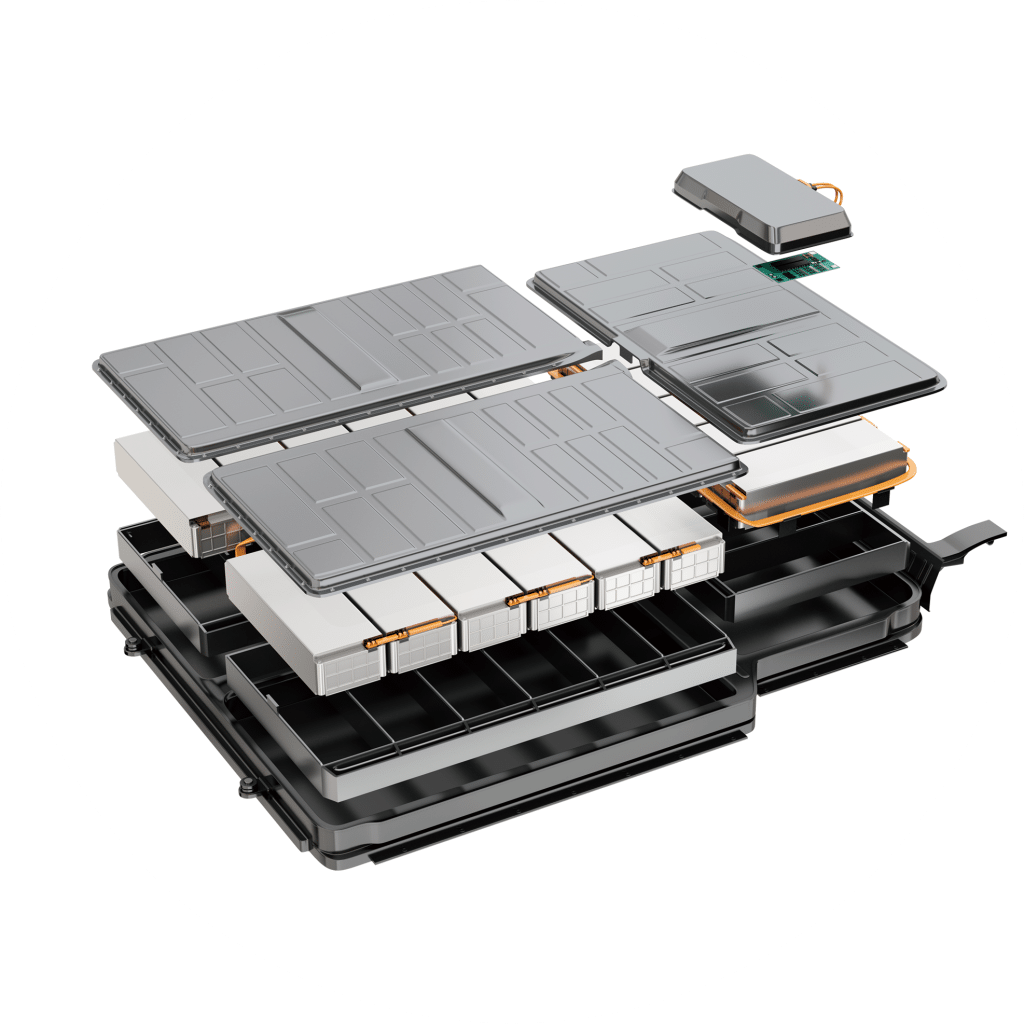
4. Modular Design: We use a modular design approach, allowing the number of battery cells in the pack to be increased or decreased as needed to suit the requirements of buses of different lengths. This way, even with different voltage and current requirements, the number of battery cells can be adjusted to fit.
5. Voltage and Current Adaptation: We design a specialized Battery Management System (BMS) to adapt to different voltage requirement, ensuring the battery pack can provide sufficient power while remaining safe and stable.
6. Compatibility Testing: We conduct extensive compatibility testing during the design phase to ensure the battery pack can operate normally on buses of different lengths and under various driving conditions.
7. Technical Communication and Collaboration: Maintain close technical communication with clients to ensure the design meets their specific needs and to address any technical issues promptly during development. 8. Continuous Iteration: Continuously optimize the battery pack design based on test results and client feedback to ensure the final product meets all technical specifications and performance requirements.
Sobre a Brogen:
Na Brogen, estamos empenhados em oferecer soluções personalizadas Soluções para veículos elétricos. Apoiamos essas iniciativas com novas tecnologias para ajudar as empresas de veículos elétricos a prosperar e promover a sustentabilidade ambiental. A Brogen oferece uma solução líder no setor Solução de motorização elétrica para veículos comerciais.
Estabelecemos alianças estratégicas com os principais participantes do setor de veículos movidos a energia renovável, incluindo motor elétrico e fabricantes de controladores, produtores de baterias e fornecedores de estações de recarga. Também colaboramos com fornecedores de componentes essenciais, tais como Bateria de carro elétrico, motor de veículo elétrico (motor PMSM), controlador de motor, OBC + DCDC + PDU, motor de fluxo axial, BMS, sistemas de ar condicionado, compressores de ar e sistemas de direção hidráulica.
Já fornecemos soluções de motorização elétrica de alta qualidade para mais de 100 clientes em mais de 20 países.
Entre em contato com nossos especialistas
Você tem interesse em impulsionar seu projeto de veículos elétricos? Entre em contato com nossos especialistas em inquiry@brogenmotors.com. Prometemos entrar em contato com você em até dois dias úteis.
Para ver mais vídeos, clique em Youtube da Brogen.
Para obter as últimas notícias, consulte Linkedin da Brogen.
 English
  Español
  Português do Brasil
  Türkçe