Ônibus elétrico
categoria:
Ônibus elétrico
poject date:
June, 2025
Localização:
Kyrgyzstan
Electric Drive Axle for Electric Buses in Kyrgyzstan
O Brogen Electric Drive Axle for electric buses in Kyrgyzstan represents a major milestone in large-scale electric public transport deployment.
Brogen’s electric bus powertrain systems and integrated portal axle technology are enabling higher efficiency, durability, and operational stability in urban fleets.
This article explores the Kyrgyzstan electric bus project, its engineering structure featuring Brogen components, real deployment data, and comparisons with similar commercial EV axle applications.
Kyrgyzstan Electric Bus Electrification Project Overview
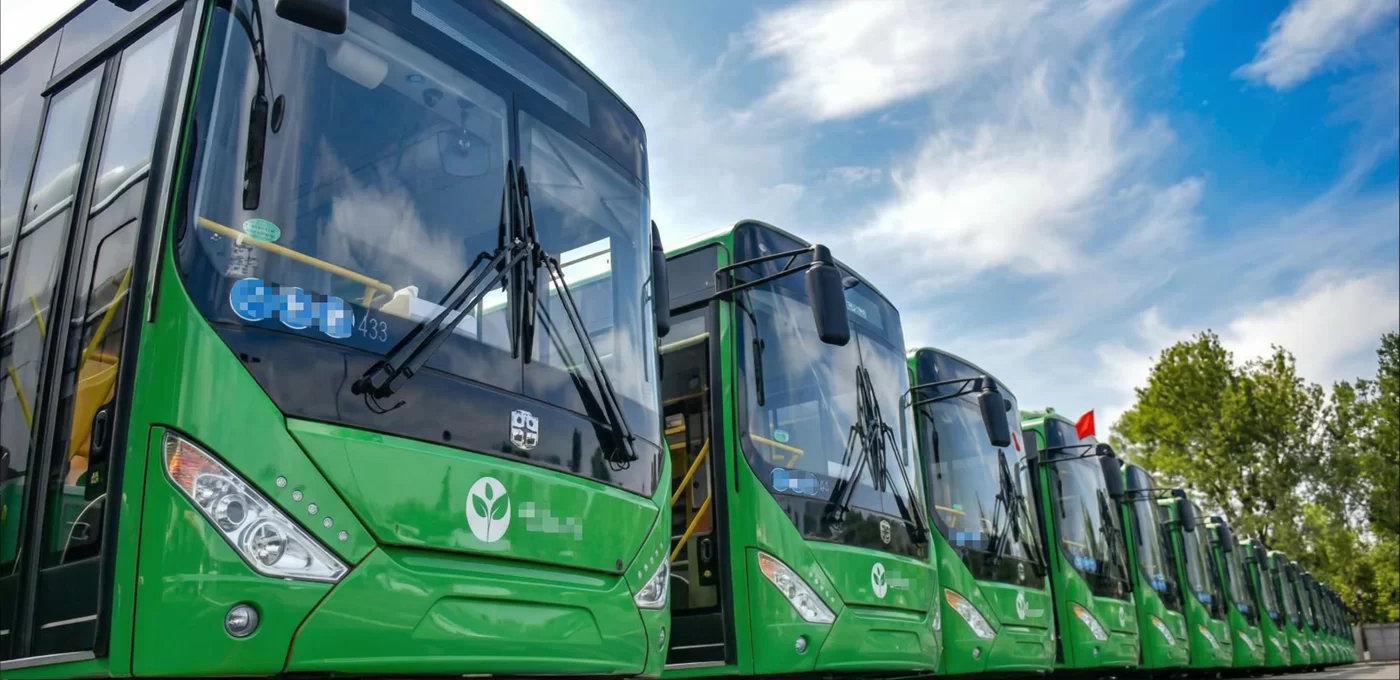
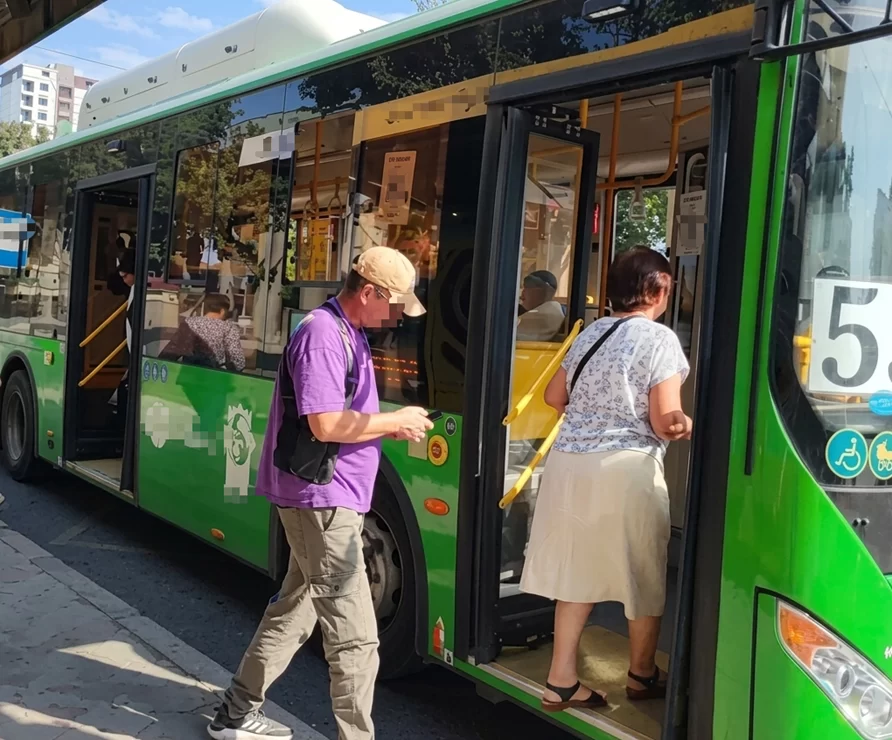
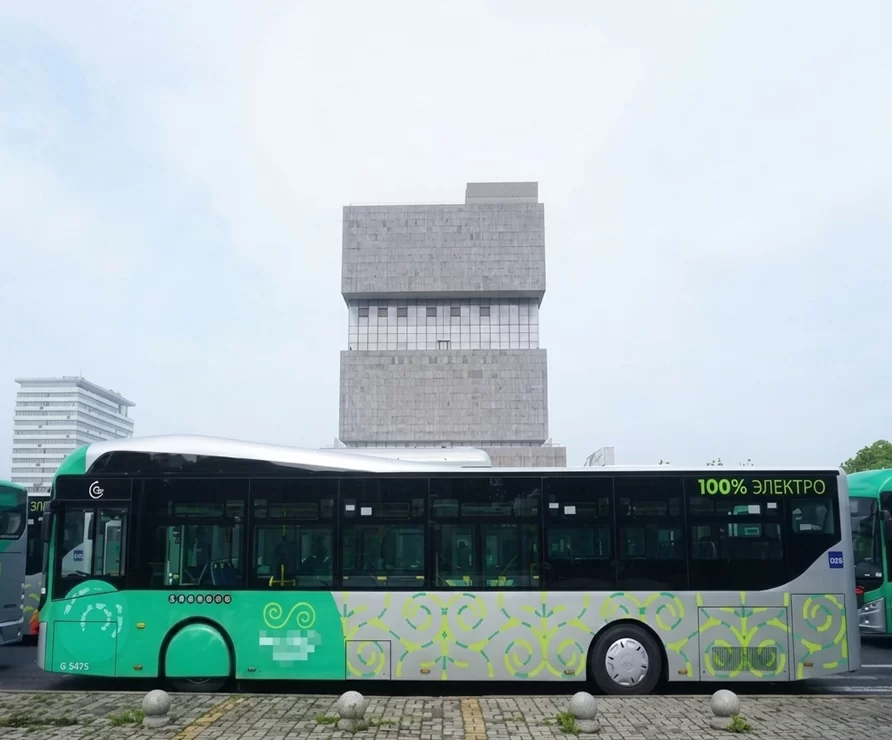
The Electric Drive Axle for Electric Buses in Kyrgyzstan project is a large-scale urban electrification initiative centered in Bishkek. It replaces conventional diesel bus drivetrains with integrated electric axle systems designed for high efficiency and long operational life.
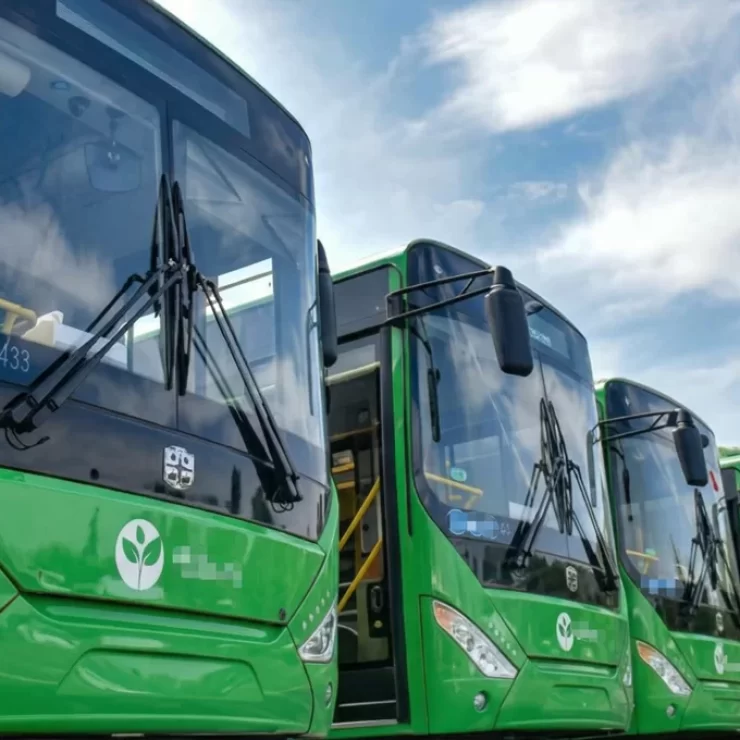
A total of 120 electric buses were deployed under this program, marking one of the most significant public transport upgrades in the region. The system is based on the OEEA2100N electric portal axle, which integrates motor, transmission, and differential into a compact architecture.
This approach significantly reduces drivetrain complexity while improving vehicle efficiency, reliability, and passenger space utilization.
Urban Transport Context in Kyrgyzstan
Bishkek’s public transport system has historically relied on diesel-powered buses with high operational costs and emissions. The shift toward electrification addresses three core challenges:
- Air quality improvement in urban districts
- Reduction of fuel dependency
- Modernization of aging fleet infrastructure
The adoption of electric drive axle technology enables a faster transition because it simplifies vehicle integration and reduces the need for complex drivetrain redesign.
Electric Bus Platform Technical Overview
Technical Specification Table – Kyrgyzstan Electric Bus System
| Categoria | Especificação |
|---|---|
| Vehicle Quantity | 120 electric buses |
| Location | Bishkek, Kyrgyzstan |
| Bus Dimensions | 12,000 × 2,550 × 3,250 mm |
| Axle System | OEEA2100N electric portal axle |
| Motor Configuration | Dual motor (2 × 160 kW peak) |
| Axle Load Capacity | 13,000 kg |
| Battery System | 350 kWh (10-pack configuration) |
| Driving Range | ≈300 km |
| Índice de proteção | IP68 |
| Safety Standard | EU compliance |
| Tire Maintenance Interval | >100,000 km |
This configuration is optimized for urban stop-and-go driving conditions, where energy efficiency and torque stability are critical.
The Electric Drive Axle Engineering Design
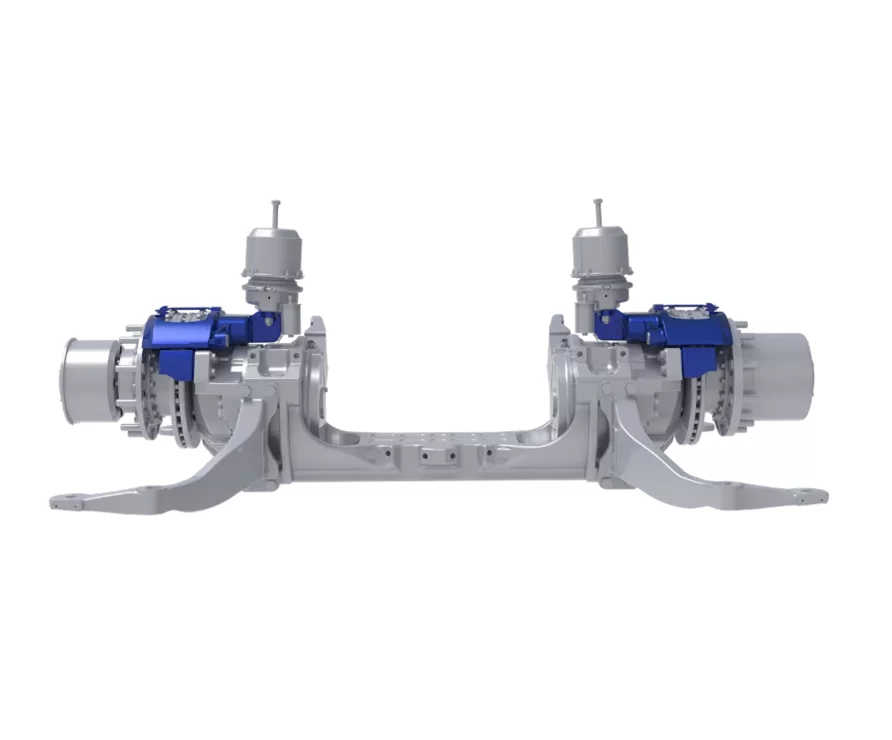
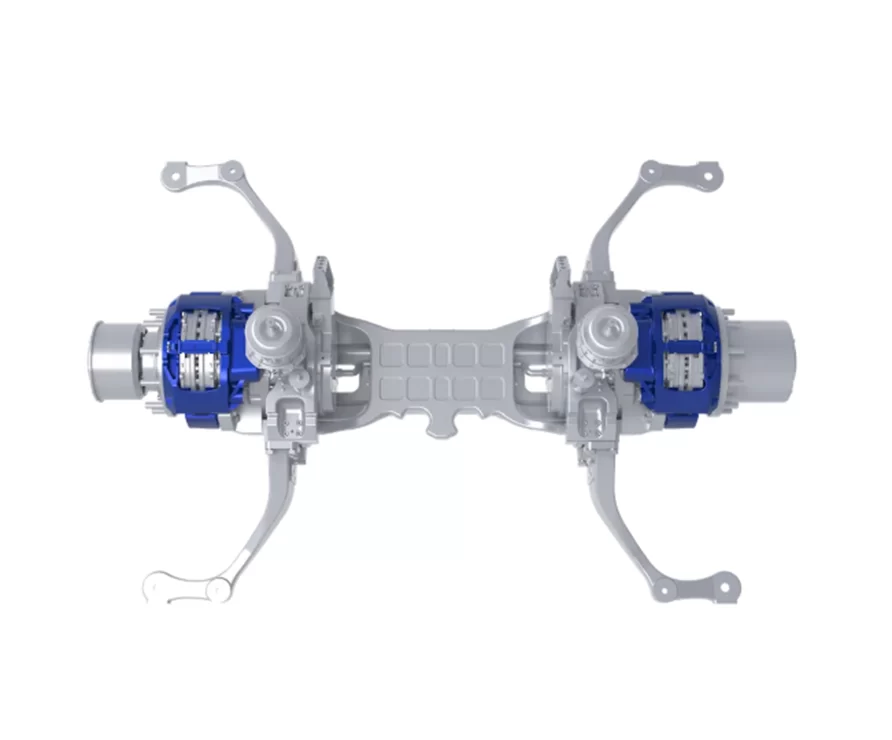
The OEEA2100N electric drive axle is a fully integrated propulsion system designed for heavy-duty electric buses.
The following section highlights the key engineering features that define this electric drive axle system.
1. Dual Motor Architecture
The system uses two high-power 160 kW motors, delivering strong torque output and redundancy for operational reliability.
2. Integrated Portal Axle Design
Motor, reducer, and differential are integrated into a single compact axle module, reducing mechanical losses and system weight.
3. High Torque Density
Designed for urban stop-and-go conditions, ensuring smooth acceleration even under full passenger load.
4. IP68 Protection Level
Ensures high durability in harsh environments, including water and dust exposure.
5. Low-Floor Bus Compatibility
Enables flat-floor passenger cabin design, improving accessibility and passenger flow.
Electric Bus Powertrain Efficiency Advantages
The electric drive axle system improves efficiency in multiple dimensions:
1. Energy Efficiency
Reduced transmission stages minimize energy loss between motor and wheel.
2. Mechanical Simplicity
Fewer moving parts reduce maintenance requirements and failure risk.
3. Regenerative Braking
Energy recovery improves total driving efficiency in urban traffic cycles.
4. Space Optimization
Compact axle design frees up space for battery packs and passenger cabin improvements.
Comparable Electric Drive Axle Applications
To understand the Kyrgyzstan project in context, it is useful to compare it with other electric commercial vehicle axle applications.
Electric Bus Drive Axle Systems
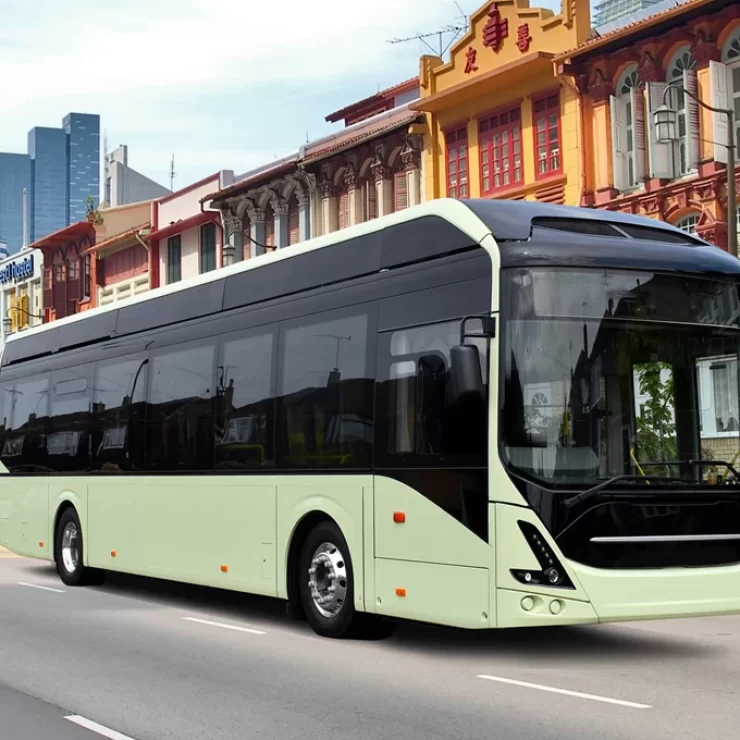
Modern electric buses increasingly adopt distributed drive axle systems instead of central motor layouts. This improves:
- Floor height optimization
- Passenger capacity
- Vehicle stability
These architectures are widely used in modern urban EV bus platforms across Europe and Asia.
Electric Heavy Truck Drive Axle Systems
Heavy-duty electric trucks typically use dual-motor axle systems similar in concept to bus platforms but optimized for higher torque output.
Typical characteristics:
- Dual motor configurations (up to 2×180 kW or higher)
- Axle load capacities above 16 tons
- Designed for logistics and long-haul applications
These systems prioritize torque stability and energy efficiency under heavy load conditions.
Light Commercial Electric Drive Axle Systems
Light-duty electric commercial vehicles use compact integrated axles with:
- ~130 kW output power
- Smaller battery systems
- Urban delivery optimization
These systems emphasize compactness and cost efficiency over maximum torque.
Engineering Value of Kyrgyzstan Project
The Kyrgyzstan deployment demonstrates several key engineering advantages:
- High system integration reduces drivetrain complexity
- Modular axle design enables scalable fleet deployment
- Dual-motor redundancy improves operational reliability
- Optimized thermal management supports long operating cycles
- Compatible with multiple bus platform architectures
This makes the solution highly suitable for emerging urban transport markets.
Fleet-Level Operational Impact
At fleet scale, the benefits become more significant:
- Lower Maintenance Cost
Reduced mechanical wear improves service intervals. - Higher Vehicle Availability
Fewer drivetrain failures increase uptime. - Energy Cost Reduction
Electric propulsion reduces fuel dependency and volatility. - Standardized Fleet Architecture
Simplifies training, servicing, and spare parts logistics.
Environmental and Strategic Impact
The transition to electric bus fleets contributes to:
- Reduced urban CO₂ emissions
- Lower particulate pollution
- Improved public health outcomes
- Alignment with global sustainability targets
Kyrgyzstan’s deployment reflects a broader global shift toward electrified public transportation systems.
Conclusion: power without boundaries
The Electric Drive Axle for Electric Buses in Kyrgyzstan represents a fully integrated approach to modern electric public transportation.
By combining high-efficiency dual-motor technology with a compact portal axle design, the system enables scalable, reliable, and energy-efficient fleet electrification.
When compared with other commercial electric drive axle applications in buses, trucks, and light-duty vehicles, the Kyrgyzstan project stands as a strong example of how integrated EV powertrain architecture can support real-world urban mobility transformation.
Isenção de responsabilidade: os detalhes do projeto mostrados são exemplos representativos. As especificações e o desempenho podem variar dependendo dos requisitos do cliente e das condições operacionais. Algumas informações podem ser ajustadas para proteger dados confidenciais do projeto.
Perguntas frequentes
How large is the fleet involved in this project?
A total of around 120 electric buses were equipped with Brogen’s distributed electric drive axle system, making it one of the key large-scale public transport electrification projects in the region.
What is the power output of the axle system?
Each axle integrates dual motors with a peak output of 2 × 160 kW, providing strong torque and stable performance for heavy-duty urban bus operation.
What are the key technical advantages of the e-axle used in this project?
The system offers high efficiency, independent wheel torque control, redundancy safety design, and supports low-floor bus architecture for improved passenger accessibility and comfort.
What safety features does the system include?
The system includes electronic differential control, redundant motor operation, and high protection ratings (IP68), ensuring reliable performance even under harsh operating conditions.
What benefits does it bring to public transport operators?
It reduces operating emissions, lowers maintenance costs, and improves overall energy efficiency for fleet operations. It also enhances vehicle reliability, uptime, and long-term operational stability in public transport.
Entre em contato comigo
Seu endereço de e-mail não será publicado. Os campos obrigatórios estão marcados com *
 English
  Español
  Português do Brasil
  Türkçe