Elektrifikasyon, binek araçlardan ekskavatörler, yükleyiciler ve maden kamyonları gibi ağır inşaat makinelerine doğru hızla yayılıyor. Güvenilir bir sistem tasarlamak inşaat makineleri akü paketi standart karayolu araçları için pil sistemleri geliştirmekten çok daha zorlu bir iştir.
Modern bir ağır iş makineleri akü paketi titreşim, darbe yükleri, toz, çamur ve suya maruz kalma gibi aşırı çalışma koşullarına dayanabilmelidir. Elektriksel performansın yanı sıra, mühendisler yapısal bütünlüğü, termal yönetimi ve çevre korumasını da titizlikle göz önünde bulundurmalıdır.
Ağır İnşaat Makinelerinin Çalışma Ortamını Anlamak
İnşaat makineleri, binek araçlarına kıyasla çok daha zorlu koşullara maruz kalır. Çalışma sırasında ekipmanlar aşağıdakilere maruz kalabilir:
- Motorlardan, hidrolik sistemlerden ve arazi koşullarından kaynaklanan sürekli titreşim
- Yükleme ve kazı çalışmalarından kaynaklanan şiddetli mekanik darbeler
- Toz, kum ve kalıntılar
- Çamur, yağmur suyu ve basınçlı yıkama
- Aşırı sıcaklık dalgalanmaları
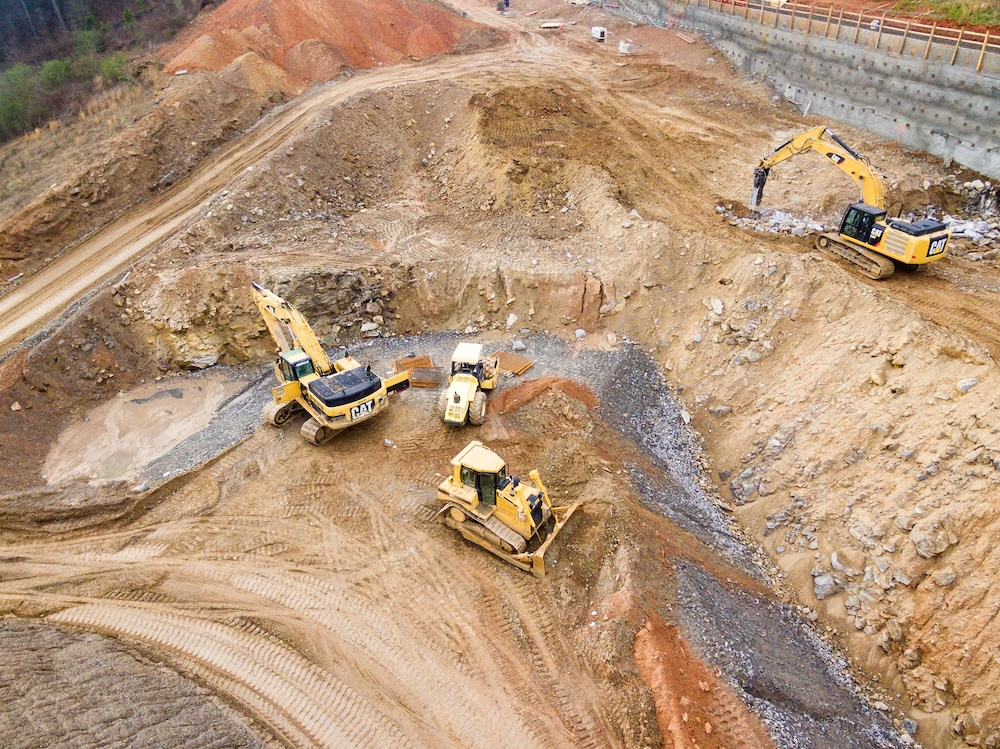
Titreşimin nispeten kontrol altında tutulduğu karayolu araçlarının aksine, ağır iş makineleri genellikle yüksek frekanslı titreşimlerle birleştirilmiş düşük frekanslı, yüksek genlikli darbeler. Bu dinamik yükler, akü yapıları ve elektrikli bileşenler üzerinde çok büyük bir baskı oluşturur.
Bu nedenle, pil sistemi yüksek mekanik dayanıklılık, sağlam sızdırmazlık performansı ve güvenilir elektrik yalıtımı sağlayacak şekilde tasarlanmalıdır.
Pil paketlerinin temel tasarım ilkeleri nelerdir?
Ağır iş makineleri için sağlam bir akü sistemi genellikle birkaç temel tasarım ilkesine uyar:
- Yüksek mukavemetli ve yüksek sertlikli yapısal tasarım
- Çok aşamalı titreşim yalıtımı ve sönümleme
- Yüksek gerilim sistemleri için yüksek elektriksel yalıtım
- Gelişmiş çevre koruma
- Etkili ısı ve güvenlik yönetimi
Uygulamada mühendisler, pil takımının gerçek çalışma koşullarında güvenilirliğini sağlamak için yapısal, elektriksel ve çevre koruma hususlarını bir araya getirmelidir.
İnşaat Makinesi Akü Paketi İçin Hücreler ve Tasarım Modülleri Nasıl Seçilir?
Herhangi bir pil paketinin temelini hücre teknolojisi oluşturur. Ağır hizmet tipi makine uygulamaları için, yüksek kapasiteli Lityum Demir Fosfat Pil Bu hücreler, üstün güvenlik özellikleri, uzun kullanım ömrü ve termal kararlılıkları nedeniyle yaygın olarak kullanılmaktadır.
Modül tasarımında, çeşitli faktörlerin dikkatle değerlendirilmesi gerekir:
Termal arayüz malzemeleri
Isı transferini artırmak ve aşırı ısınma noktalarının oluşmasını önlemek için hücreler arasında ısı iletken köpük veya silikon pedler kullanılmalıdır.
Yapısal sıkıştırma
Modüller, şarj ve deşarj döngüleri sırasında hücrelerin genleşmesini kontrol etmek için genellikle yüksek mukavemetli alüminyum alaşımı veya çelik uç plakaları kullanır. Ön sıkma mekanizmaları, hücrelerin sistemin kullanım ömrü boyunca sıkıca sabit kalmasını sağlar.
Modüller arası yalıtım
Modüller arasında genellikle aerojel battaniyeler veya seramik elyaf levhalar gibi malzemeler kullanılır. Bu malzemeler hem ısı yalıtımı hem de mekanik tamponlama sağlar.
Titreşim sönümleme
Modüllerin tabanına veya yanlarına, titreşim enerjisini emmek ve hücreler üzerindeki mekanik gerilimi azaltmak amacıyla uygun sertlikte kauçuk veya silikon pedler takılabilir.
Pil Paketi Muhafazası ve Yapısal Tasarım
Pil takımının muhafazası, darbe yüklerine dayanacak ve iç bileşenleri koruyacak yeterli mukavemete sahip olmalıdır.
Yaygın olarak kullanılan muhafaza malzemeleri şunlardır:
- 6061 veya 5052 gibi alüminyum alaşımları
- Q235 gibi yapısal çelik
Muhafaza yapısı, sertliği artırmak ve deformasyonu önlemek için takviye çubukları veya çerçeve tipi yapılar içermelidir.
Buna ek olarak, yapısal tasarımda aşağıdaki hususlar dikkate alınmalıdır:
- Gerilim yoğunlaşmasını azaltmak için yuvarlatılmış köşeler
- Lazer kaynağı gibi yüksek kaliteli kaynak işlemleri
- Darbe direnci için kalınlaştırılmış taban plakaları
- Alt kısmın darbe almasını önleyen koruyucu kirişler veya kalkanlar
Kurulum tasarımı da önemlidir. Akü paketleri genellikle titreşim yalıtıcılarla birlikte çok noktalı sabit bağlantılar kullanılarak monte edilir. Bu yalıtıcılar, inşaat ekipmanlarının titreşim spektrumlarında sıklıkla görülen rezonans frekanslarını önleyecek şekilde seçilmelidir.
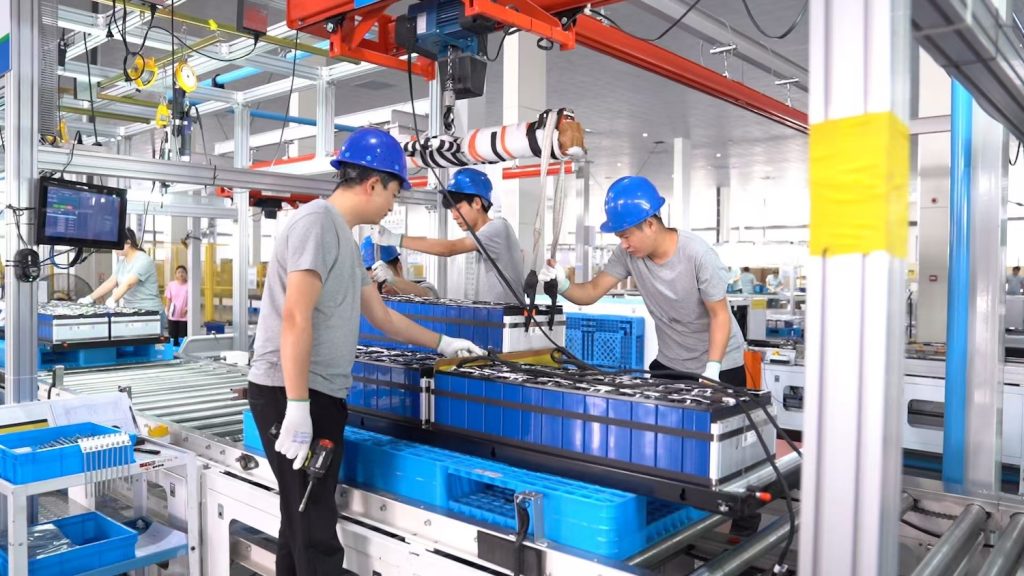
Yüksek Gerilimli İnşaat Makinesi Akü Paketinde Güvenli Elektrik Bağlantıları Nasıl Sağlanır?
Ağır hizmet tipi makine akü sistemleri, yüksek gerilim ve yüksek akımla çalıştığı için özenli bir elektriksel tasarım gerektirir.
Önemli hususlar şunlardır:
- İkincil kilitleme mekanizmalarına sahip yüksek gerilim konektörleri
- Gevşemeyi önleyen bağlantı elemanları ve vida kilitleme maddeleri
- Yeterli izleme mesafesi ve elektriksel boşluk
- Sağlam kablo demeti koruması
Düşük gerilim sinyal kabloları, titreşim veya sürtünmeden kaynaklanan hasarı önlemek için kelepçelerle sabitlenmeli ve oluklu borularla korunmalıdır.
Kurulumdan önce, elektrik sistemleri yalıtım direnci testi ve yüksek gerilim dayanım testi dahil olmak üzere kapsamlı testlerden geçmelidir.
Ağır İş Makineleri İçin Akü Paketleri Hakkında Sık Sorulan Sorular (SSS)
1. Bir inşaat makinesi akü paketinin hangi koruma derecesine sahip olması gerekir?
İnşaat makinelerinde kullanılan akü paketleri genellikle en az IP67 koruma. Bu sınıflandırma, muhafazanın toz girişine karşı tam koruma sağladığını ve suya geçici olarak daldırılmaya dayanabileceğini garanti eder.
Sık sık temizlenen makineler için wiYüksek basınçlı yıkama makineleri kullanıldığında, IP69K gibi daha yüksek bir koruma seviyesi gerekebilir. Bu seviye, yüksek basınçlı ve yüksek sıcaklıklı su püskürmelerine karşı dayanıklılık sağlar.
Bu koruma seviyeleri şu şekilde tanımlanmaktadır: IEC giriş koruması standardı.
2. Ağır iş makinelerinin akü paketleri için titreşim direnci neden önemlidir?
İnşaat makineleri, sürekli titreşim ve mekanik darbelere maruz kalan ortamlarda çalışır. Uygun titreşim yalıtımı sağlanmadığında, bu kuvvetler akü hücrelerine zarar verebilir, elektrik bağlantılarını gevşetebilir ve sistemin güvenilirliğini azaltabilir.
Mühendisler genellikle titreşimin üzerindeki etkisini en aza indirmek için kauçuk sönümleyiciler, çok katmanlı yalıtım yapıları ve güçlendirilmiş yatak muhafazaları kullanır. Pil Paketi.
3. Ağır iş makinelerinde genellikle hangi pil türü kullanılır?
Büyük kapasiteli Lityum Demir Fosfat Pil Bu hücreler inşaat makinelerinde yaygın olarak kullanılmaktadır. Bu kimyasal yapı, yüksek termal kararlılık, uzun çevrim ömrü ve üstün güvenlik performansı sunarak zorlu endüstriyel uygulamalar için ideal hale getirmektedir.
4. Ağır iş makinelerinin akü paketlerinde basınç tahliye vanaları gerekli midir?
Evet. Basınç tahliye vanaları, pil paketi tasarımında önemli bir güvenlik özelliğidir. Bu vanalar, olağan dışı durumlarda iç gazların dışarı çıkmasını sağlarken, su ve tozun muhafaza içine girmesini önler.
Bu tasarım, hem güvenliği hem de çevre korumasını sağlamaya yardımcı olur.
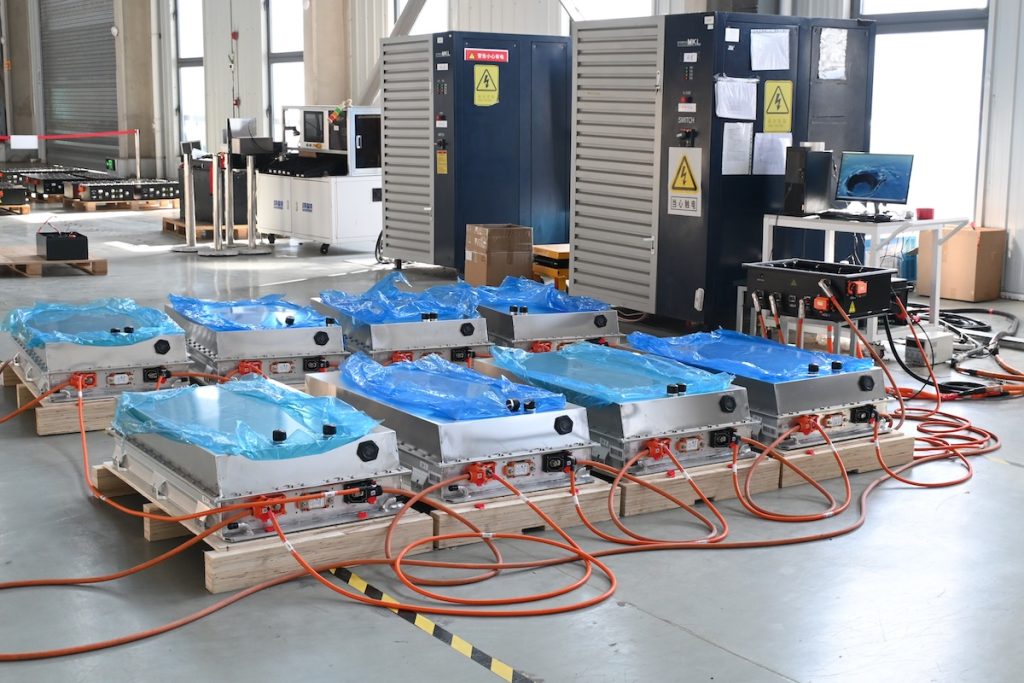
Test ve Doğrulama
En sağlam tasarım bile titiz testlerden geçerek doğrulanmalıdır.
Tipik doğrulama prosedürleri şunlardır:
Titreşim testi
Pil paketleri, gerçek çalışma koşullarını taklit eden simüle edilmiş titreşim profilleri altında test edilmelidir.
Darbe testi
Mekanik darbe testi, pil takımının makine çalışması sırasında ani darbelere dayanabilmesini sağlar.
Çevresel testler
Toz ve su giriş testleri, IP koruma sınıflarına uygunluğu doğrular.
Araç düzeyinde doğrulama
Sonuç olarak, pil paketleri, engebeli arazide sürüş ve uzun vadeli dayanıklılık testleri de dahil olmak üzere, tam araç testleri yoluyla doğrulanmalıdır.
Bu testler, pil sisteminin kullanım ömrü boyunca yapısal bütünlüğünü, elektriksel güvenliğini ve işlevsel performansını koruduğundan emin olunmasını sağlar.
Sonuç
Ağır inşaat makineleri için akü paketleri tasarlamak, kapsamlı bir mühendislik yaklaşımı gerektirir. Binek araçların aksine, bu sistemler aşırı titreşime, mekanik darbelere ve zorlu çevre koşullarına dayanabilmelidir.
Başarılı tasarımlar, yüksek mukavemetli yapılar, gelişmiş titreşim yalıtımı, güvenilir elektrik bağlantıları ve sağlam sızdırmazlık sistemlerini bir araya getirir. Pil paketlerinin uzun vadeli güvenilirliğini sağlamak için titiz testlerden geçirildiği doğrulama süreci de aynı derecede önemlidir.
Ağır iş makinelerinde elektrifikasyonun yaygınlaşmaya devam etmesiyle birlikte, iyi tasarlanmış akü paket sistemleri, makine verimliliğini artırmada, emisyonları azaltmada ve yeni nesil elektrikli inşaat makinelerinin geliştirilmesinde hayati bir rol oynayacaktır.
 English
  Español
  Português do Brasil
  Türkçe