BYD Advances Electric Bus Technology with e-Bus Platform 3.0
BYD has unveiled its latest e-Bus Platform 3.0, marking a significant step forward in the evolution of electric bus platforms. The new-generation system combines a high-voltage architecture, integrated electric-drive solutions, and advanced vehicle-control technologies, signaling a shift toward “electric outperforming diesel” in the commercial bus sector.
With over 17 years of development in electric buses, BYD is now leveraging passenger vehicle technologies and scaling them into heavy-duty applications, accelerating the transition toward fully electrified public transport systems.
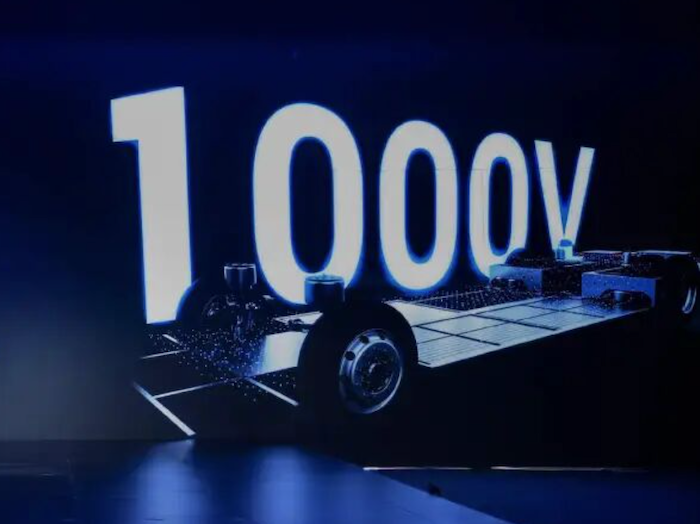
1000V Architecture Redefines Electric Bus Power Systems
One of the most notable upgrades in the e-Bus Platform 3.0 is the introduction of a full-domain 1000V high-voltage architecture, the first of its kind in mass-produced electric buses.
This architecture integrates key subsystems—including electric drive systems, power distribution, and thermal management—into a unified high-voltage platform. When combined with high-performance silicon carbide (SiC) power devices, the system achieves efficiency of up to 99.84% and supports peak currents of 1000A.
In practical terms, this enables:
- Faster charging capabilities (up to 600 kW)
- Improved energy efficiency
- Better performance under extreme temperature conditions
For OEMs and system integrators, this trend highlights the growing importance of high-voltage electric power systems and cross-system optimization in next-generation electric buses.
Integrated Electric Drive Axle and Thermal Management Improvements
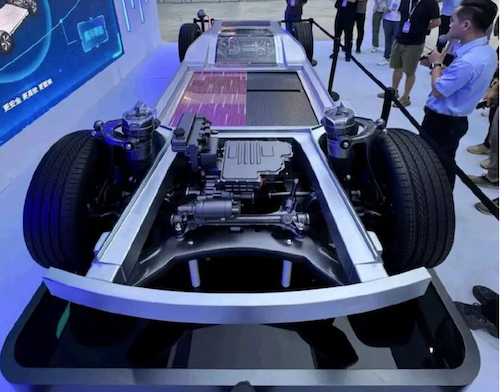
The platform also introduces a new-generation electric drive axle for buses, featuring dual motors with a combined peak power of 300 kW and peak torque of 21,300 Nm.
Through lightweight design and optimized topology, the drive system improves efficiency while reducing system weight. When combined with a multi-source coupled thermal management system, the vehicle can achieve:
- Up to 18% reduction in overall energy consumption
- Improved low-temperature performance, with an extended range in cold environments
This reflects a broader industry direction toward integrated electric drive systems and coordinated thermal control, which are critical for improving real-world vehicle efficiency.
Safety and Structural Integration with CTC Technology
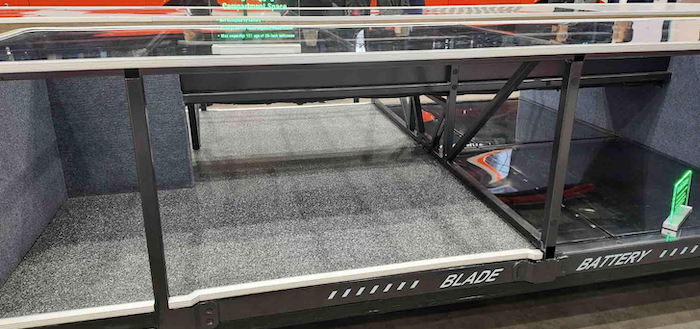
Safety remains a key focus in electric bus design. BYD’s platform adopts a cell-to-chassis (CTC) integration approach, combining the battery system with the vehicle structure.
This results in:
- Lower center of gravity
- Increased torsional rigidity
- Reduced system weight
- Enhanced structural protection
The battery system itself features multi-layer protection and high structural strength, capable of withstanding extreme mechanical stress.
For the industry, this demonstrates how battery system integration is evolving from a standalone component into a structural element within electric bus platforms.
Intelligent Control Systems and Ride Comfort Enhancements
Beyond power and safety, BYD is introducing advanced control technologies traditionally used in passenger vehicles into the bus segment.
The platform integrates:
- Intelligent torque control systems
- Adaptive body control (similar to active suspension systems)
- Coordinated control between drivetrain, chassis, and body systems
These technologies improve ride comfort, reduce body roll, and enhance stability during acceleration, braking, and cornering.
This trend reflects the increasing importance of system-level integration across electric drive, chassis control, and auxiliary systems in modern electric buses.
A New Benchmark for Electric Bus Applications
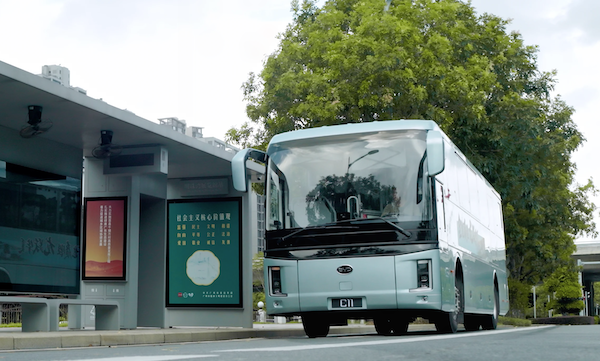
The first model based on the platform, the BYD C11 electric bus, offers:
- Up to 730 km range
- Multiple battery configurations
- High-efficiency drivetrain
- Advanced safety and control features
The vehicle is designed for a wide range of applications, including:
- Public transit
- Intercity transport
- Tourism and coach services
Industry Insight: From Components to Integrated Bus Systems
BYD’s latest platform highlights a clear shift in the electric commercial vehicle industry:
👉 from individual components to fully integrated electric bus systems
For OEMs, this means that future competitiveness will increasingly depend on:
- Integration of electric drive systems, battery systems, and auxiliary systems
- High-voltage architecture design
- Advanced control software and system coordination
This is where system-level engineering becomes critical in delivering performance, efficiency, and reliability at scale.
With the launch of e-Bus Platform 3.0, BYD is pushing electric bus technology toward a new stage of maturity. The combination of 1000V architecture, integrated electric drive systems, and advanced control technologies sets a new benchmark for the industry.
As electrification continues to evolve, the focus is no longer just on replacing diesel systems but on building fully optimized electric bus platforms that deliver superior performance across all operating conditions.
 English
  Español
  Português do Brasil
  Türkçe
  日本語
日本語  Deutsch
  Français
  العربية
  한국어
한국어  Русский
  Italiano