
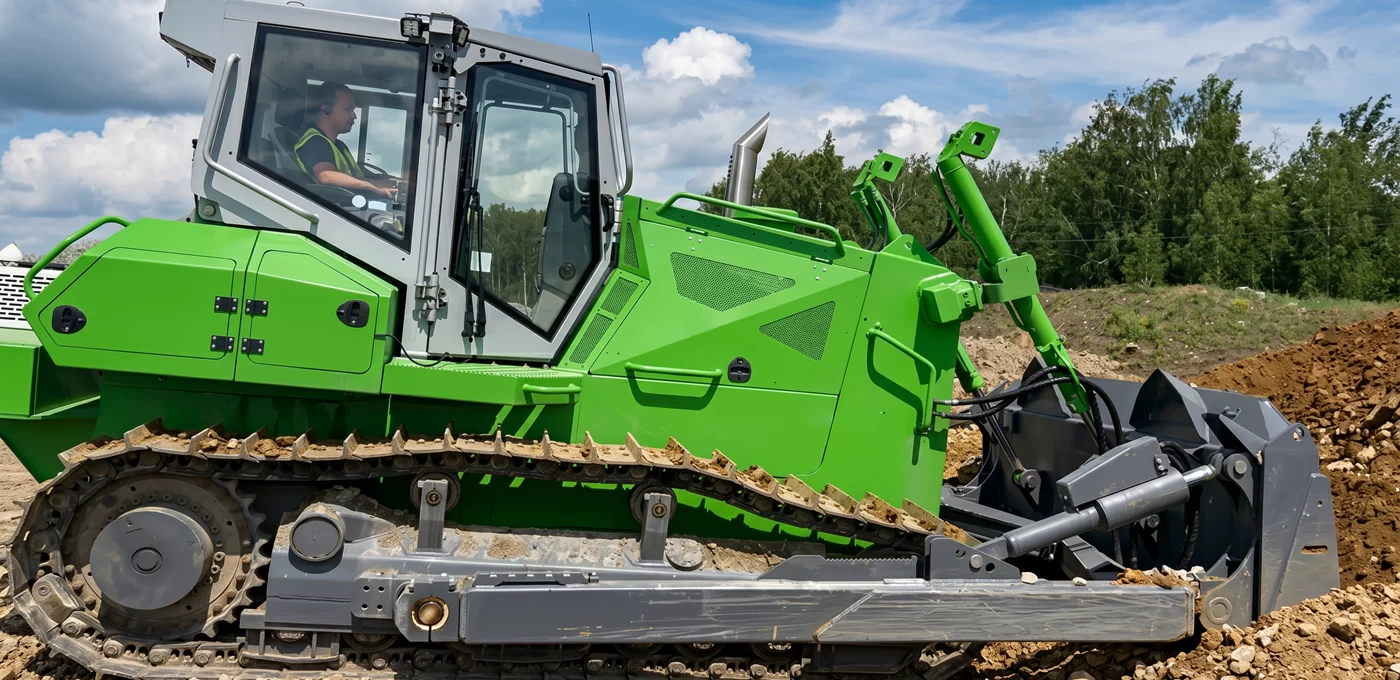
Electric Bulldozer
category:
Electric Construction Vehicle
project date:
April, 2024
location:
Europe
Revolutionizing Construction with Electric Construction Vehicles
Electric construction vehicles are transforming the industry, offering solutions that are both eco-friendly and cost-effective.
Brogen plays a pivotal role in advancing this technology, providing innovative electric powertrains for bulldozers and other construction machinery.
The electric bulldozer project below exemplifies the potential of these vehicles, demonstrating how the transition to electric power can reduce operating costs, enhance performance, and support sustainability goals in construction.
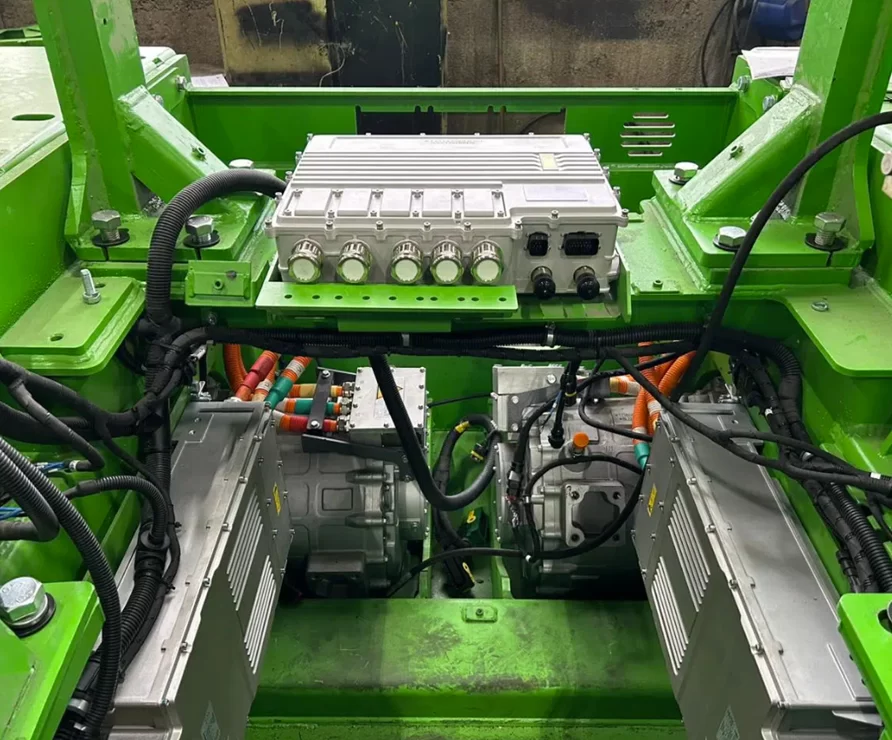
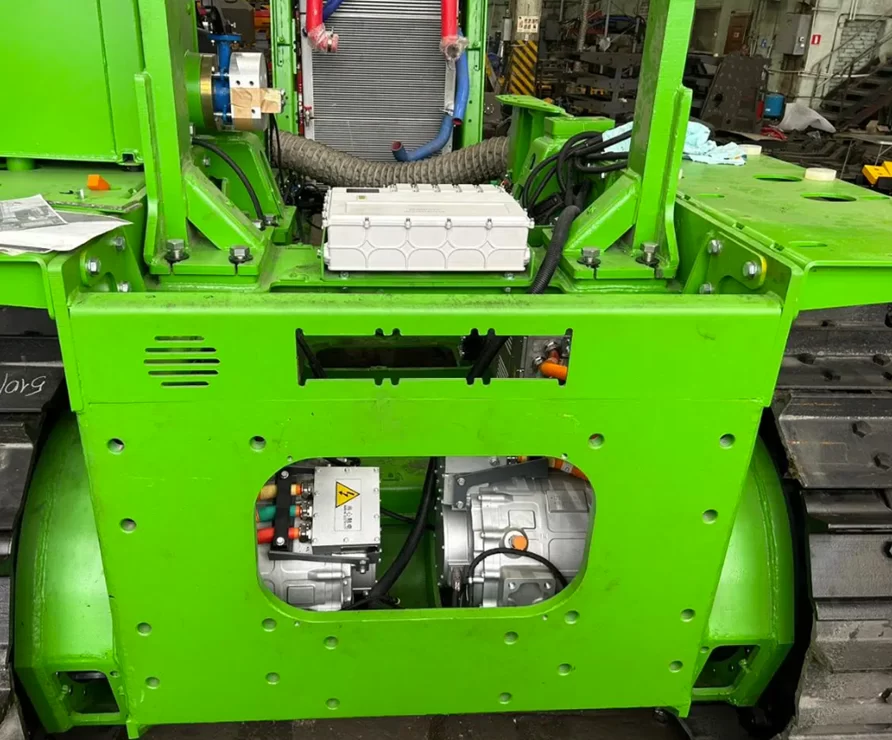
Project Overview: Transition to Electric Construction Vehicles
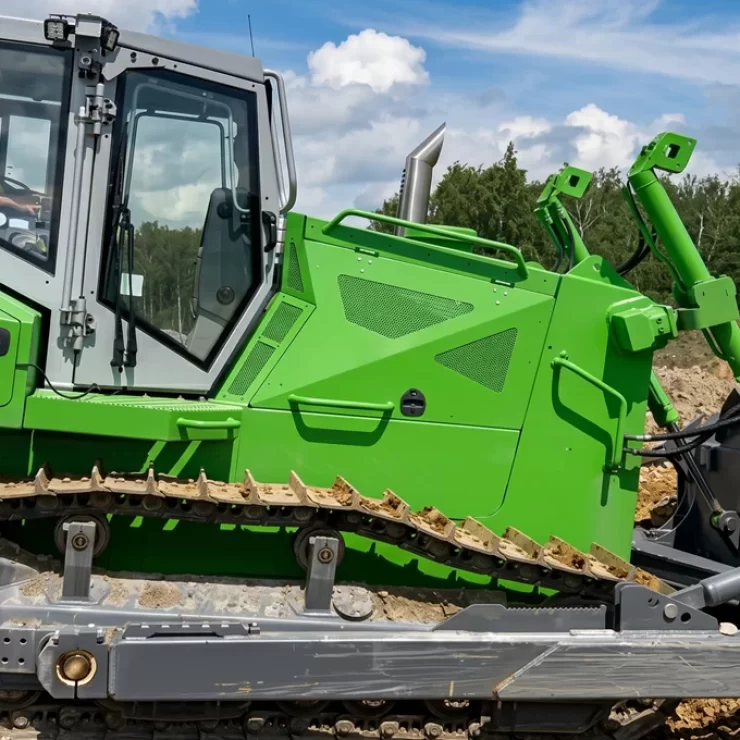
A European construction company approached Brogen Motors with the goal of reducing fuel and operational costs. They planned to convert a bulldozer from a fuel-driven engine to an electric-powered system with extended range.
Key Goals for Electric Construction Vehicle Conversion
- Cost Reduction: Lower fuel consumption and reduce overall operating costs.
- Enhanced Performance: Deliver powerful, high-torque operation suitable for construction environments.
- Sustainability: Minimize emissions and reduce the environmental impact of construction machinery.
- Extended Range: Ensure the electric bulldozer meets operational requirements for long, demanding tasks.
Technical Specifications for Electric Bulldozer Motors
For this specific project, Brogen Motors supplied an electric motor system that meets the high demands of the construction industry.
Here are the technical details of our solution for the electric bulldozer:
| Specification | Description |
|---|---|
| Motor Type | Axial Flux Electric Motor |
| Torque Density | High (ensures reliable performance under heavy load) |
| Power Output | 150 kW |
| Voltage | 600V |
| Cooling System | Advanced liquid cooling for efficient heat dissipation |
| Efficiency | >95% |
| Weight | 350 kg |
| Dimensions (LxWxH) | 600 mm x 500 mm x 350 mm |
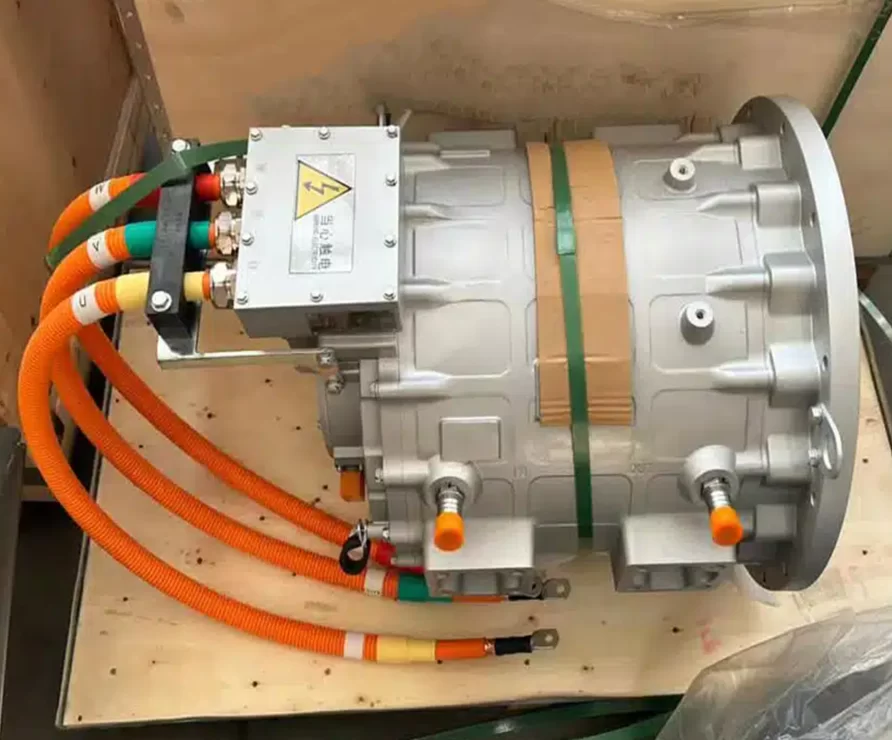
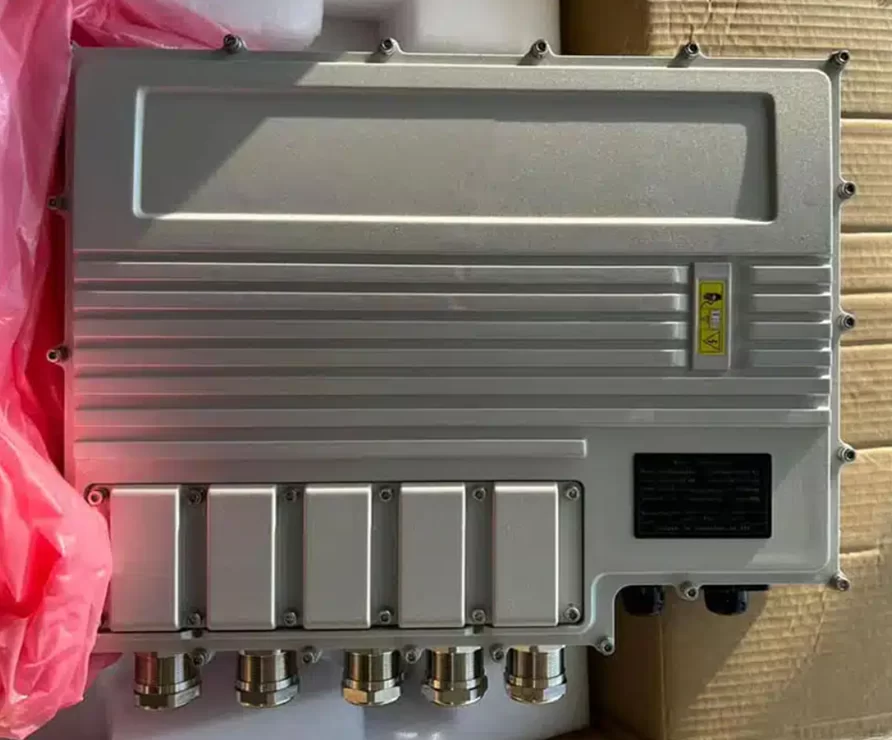
Brogen’s Electric Motor Solution for Construction Vehicles
Brogen Motors’ electric motor systems are designed to meet the rigorous demands of heavy-duty electric construction vehicles. Our high-performance axial flux motors offer exceptional torque density and compactness, making them ideal for bulldozers and other heavy-duty machinery used on construction sites.
Key Features of Electric Construction Vehicle Motors
- High Torque Density: Enables electric bulldozers to perform heavy-duty tasks with ease.
- Compact Design: Optimized for construction vehicles with limited space for powertrains.
- Efficient Thermal Management: Ensures consistent performance by maintaining an optimal operating temperature.
- Compatibility with Extended Range Batteries: Supports long operational hours, perfect for extended construction shifts.
Benefits of Electric Construction Vehicles in Modern Construction
Switching to electric construction vehicles can bring numerous advantages to companies looking to improve efficiency and reduce environmental impact.
Here’s why electric construction vehicles are the future:
Environmental Benefits of Electric Construction Vehicles
- Reduced Emissions: Electric vehicles produce zero tailpipe emissions, contributing to cleaner air on job sites and helping companies meet sustainability targets.
- Noise Reduction: Electric motors generate significantly less noise than diesel engines, making them ideal for urban construction projects or noise-sensitive areas.
Operational and Economic Advantages of Electric Construction Vehicles
- Lower Operating Costs: Electric vehicles have fewer moving parts, which means less wear and tear, reduced maintenance costs, and lower fuel expenses.
- Increased Efficiency: Electric motors provide immediate torque, offering better control and smoother operation than traditional diesel-powered machines.
Conclusion: the Future of Electric Construction Vehicles
As construction companies around the world continue to embrace sustainability and cost-efficiency, electric construction vehicles are becoming the standard. Brogen Motors is committed to supporting this transition by providing reliable, high-performance electric powertrains for the construction industry.
Advantages of Switching to Electric Construction Vehicles
The transition to electric bulldozers and other heavy-duty vehicles offers numerous benefits:
- Cost Savings: Reduced fuel and maintenance costs.
- Sustainability: A cleaner, greener alternative to traditional fuel-powered machinery.
- Performance: Increased operational efficiency with better control and smoother performance.
Brogen Motors is at the forefront of the electric vehicle revolution in the construction industry.
Our innovative electric motor solutions help companies reduce their environmental footprint, cut operational costs, and achieve greater efficiency. As electric construction vehicles become more common, Brogen remains dedicated to advancing technology to meet the evolving needs of the industry.
Disclaimer: Project details shown are representative examples. Specifications and performance may vary depending on customer requirements and operating conditions. Some information may be adjusted to protect confidential project data.
Frequently Asked Questions
What is the bulldozer electrification project about?
This project involves converting a traditional fuel-powered bulldozer into a hybrid electric system to reduce fuel consumption and improve overall operational efficiency in construction applications.
What motor solution was used in this bulldozer project?
The system uses Brogen’s PMSM electric drive motors combined with dedicated motor controllers, designed for high torque output and stable operation in construction machinery applications.
How does the system improve bulldozer performance?
It enables operation in a high-efficiency zone, reduces fuel consumption, and delivers smoother and more controllable power output in demanding heavy-duty construction operations under harsh working conditions.
What are the key benefits of electrifying construction equipment?
It reduces fuel costs, lowers emissions, and improves overall energy efficiency in daily operations. It also supports quieter, more stable, and environmentally friendly performance on construction sites.
Contact me
Your email address will not be published. Required fields are marked *
 English
  Español
  Português do Brasil
  Türkçe
  日本語
日本語  Deutsch
  Français
  العربية
  한국어
한국어  Русский
  Italiano