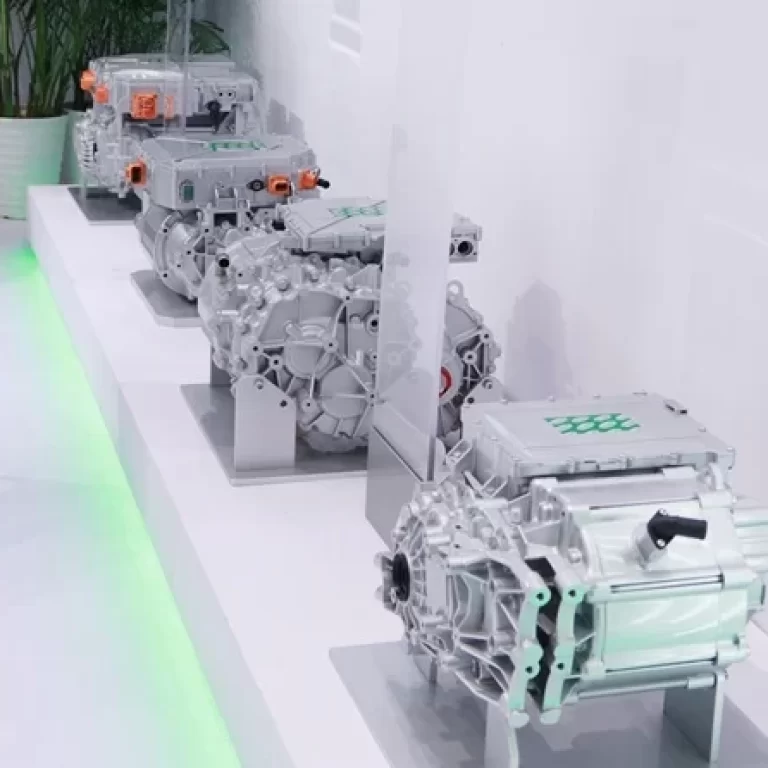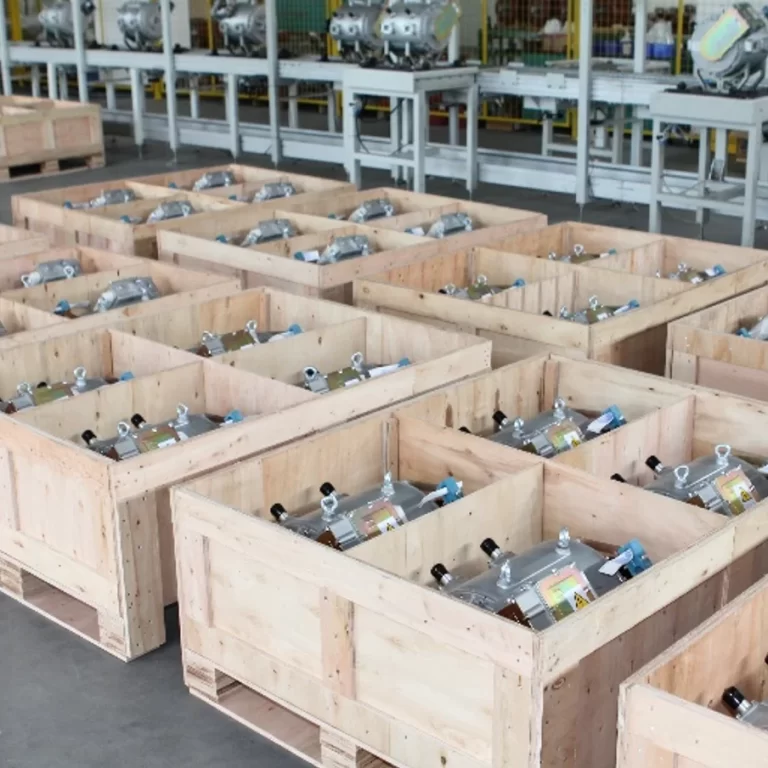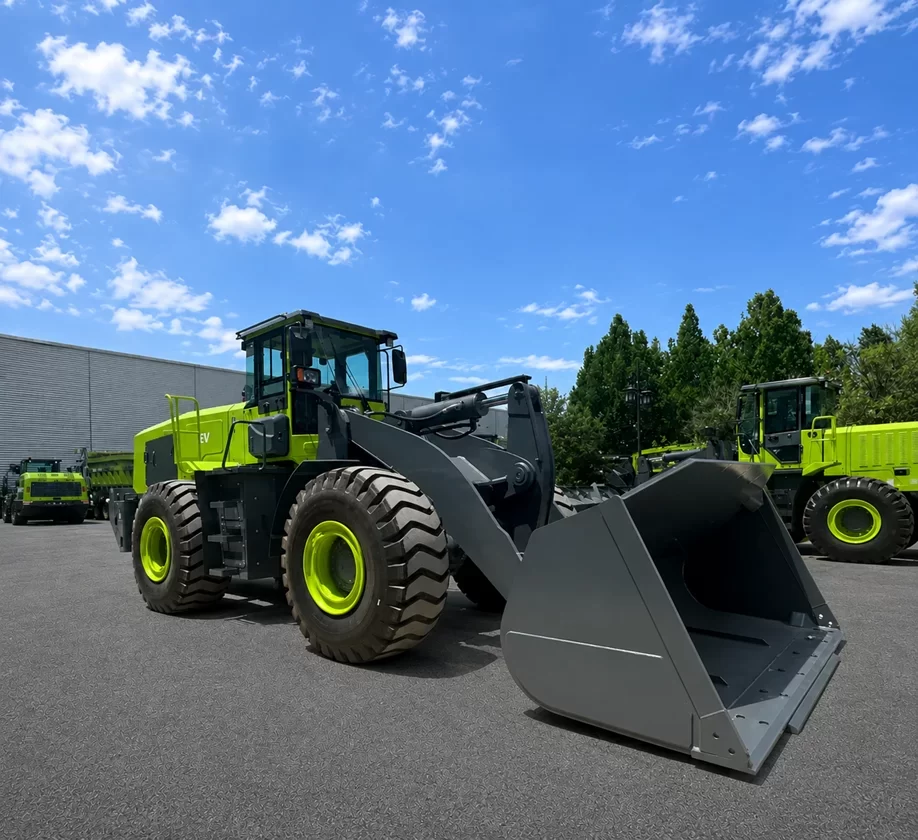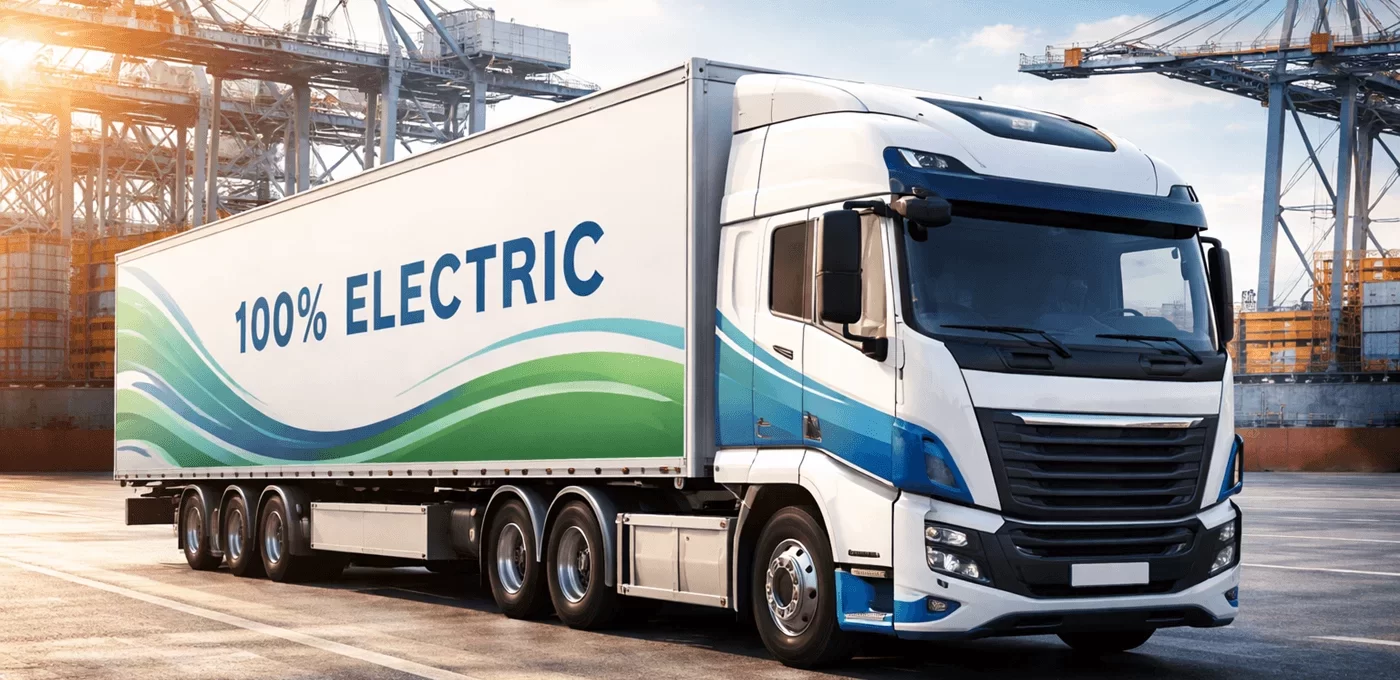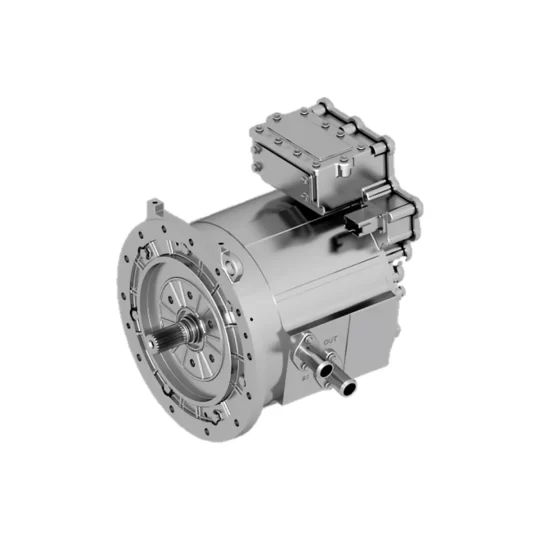
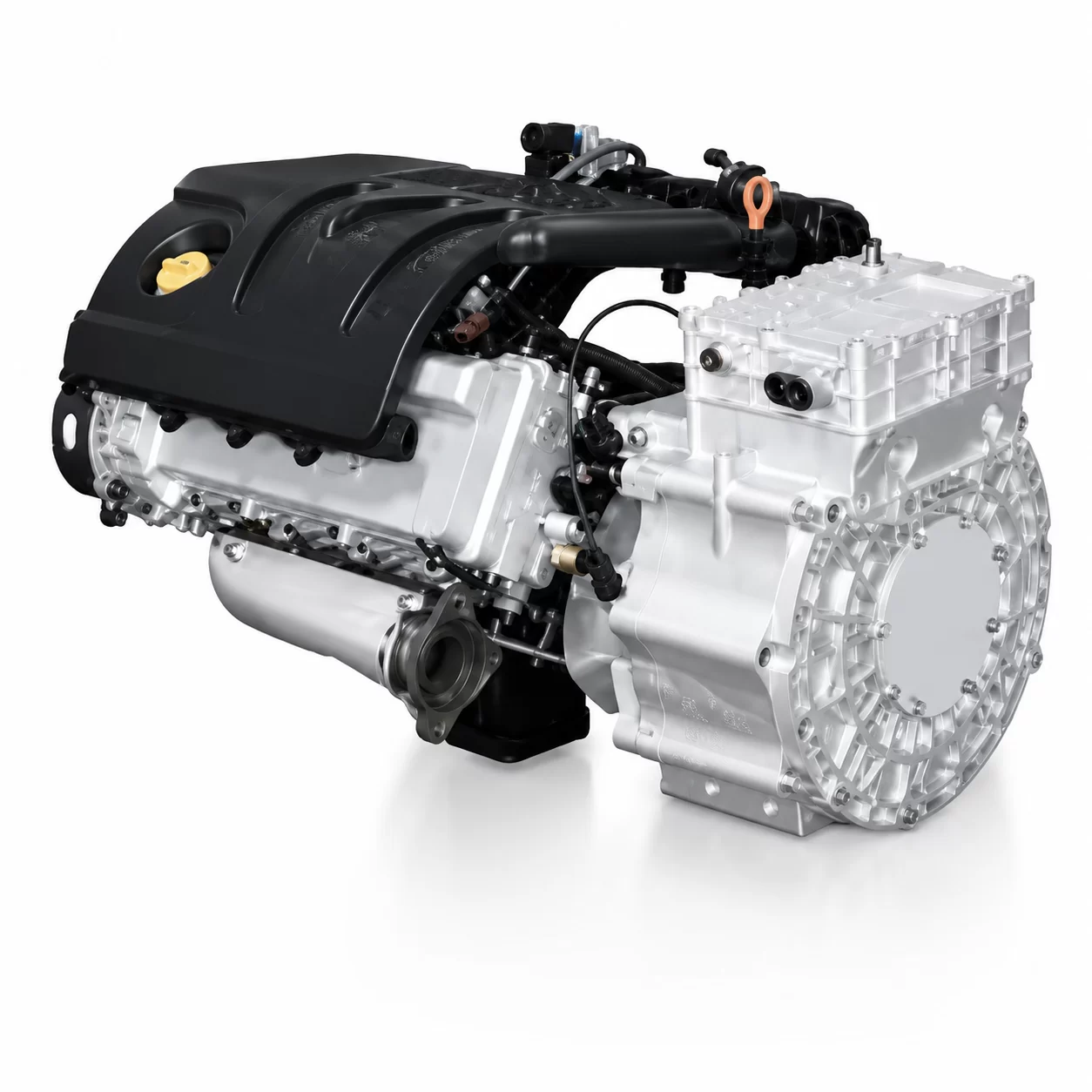
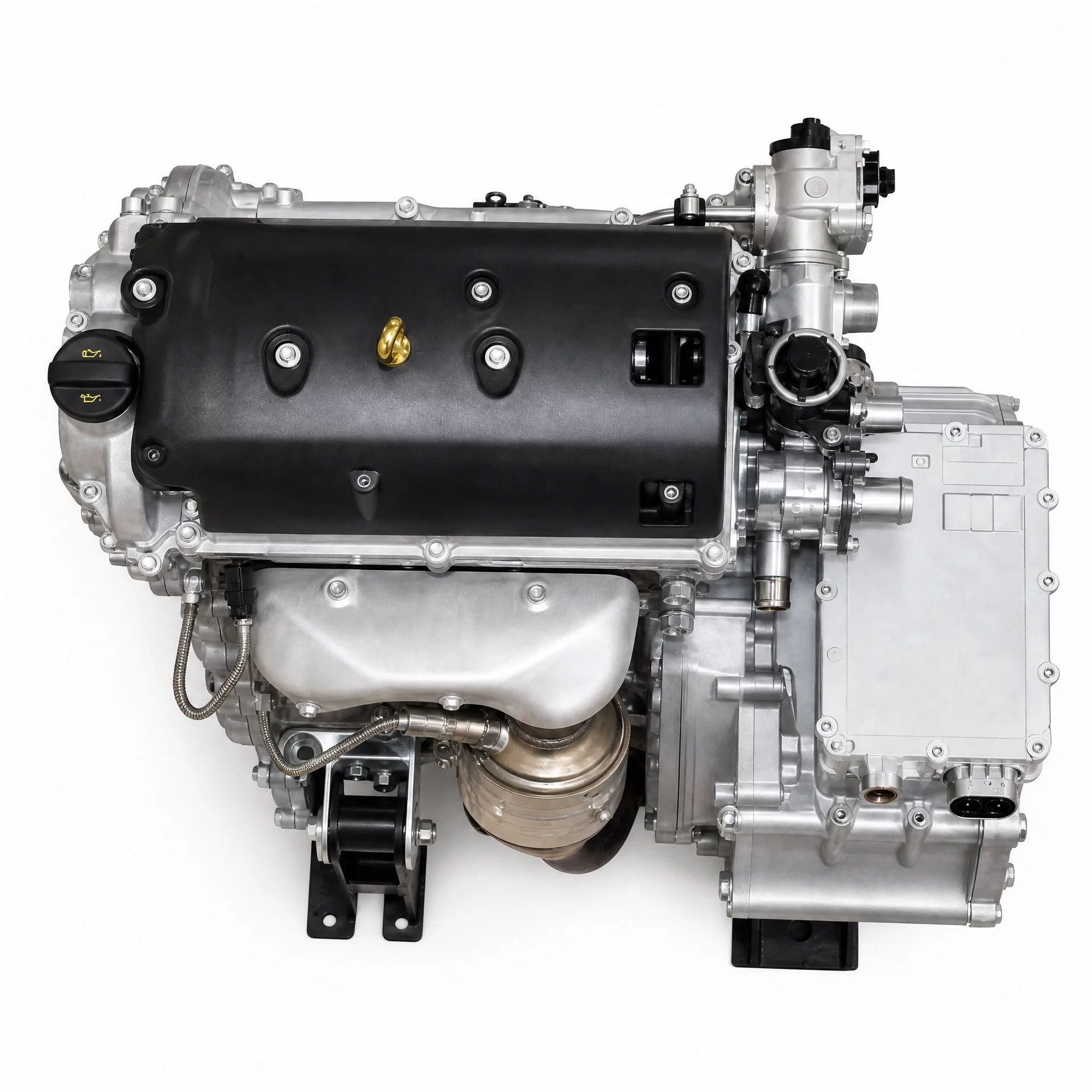
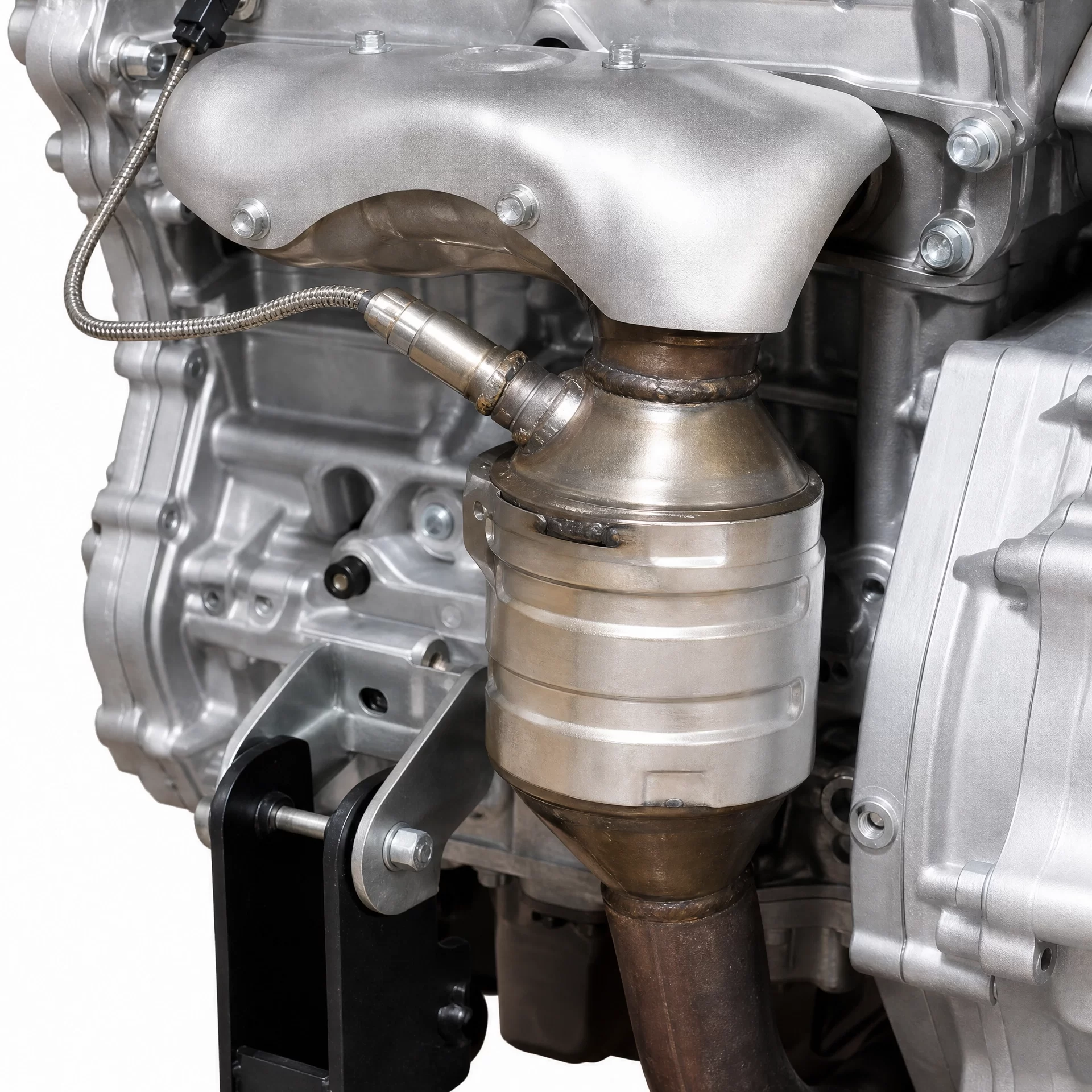
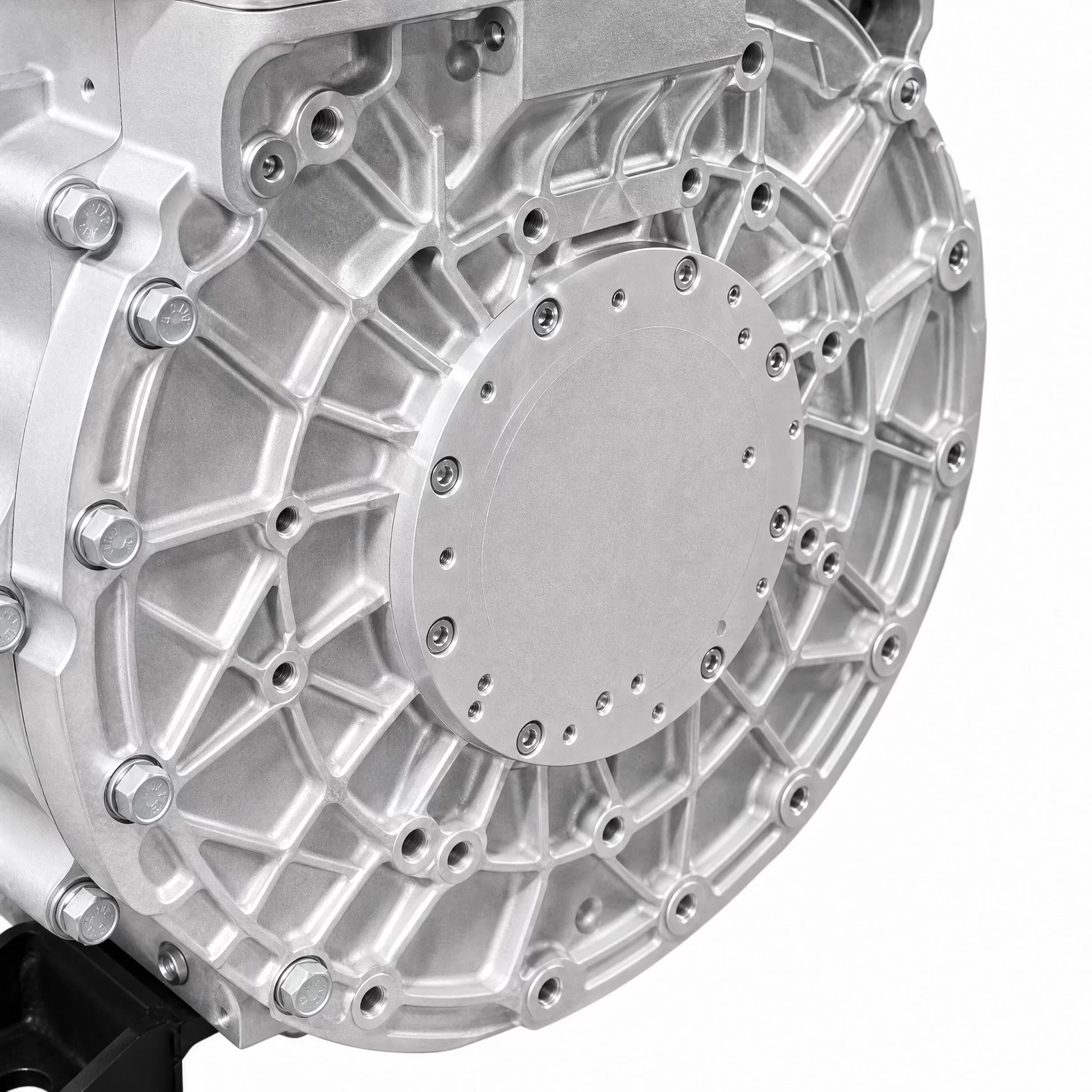
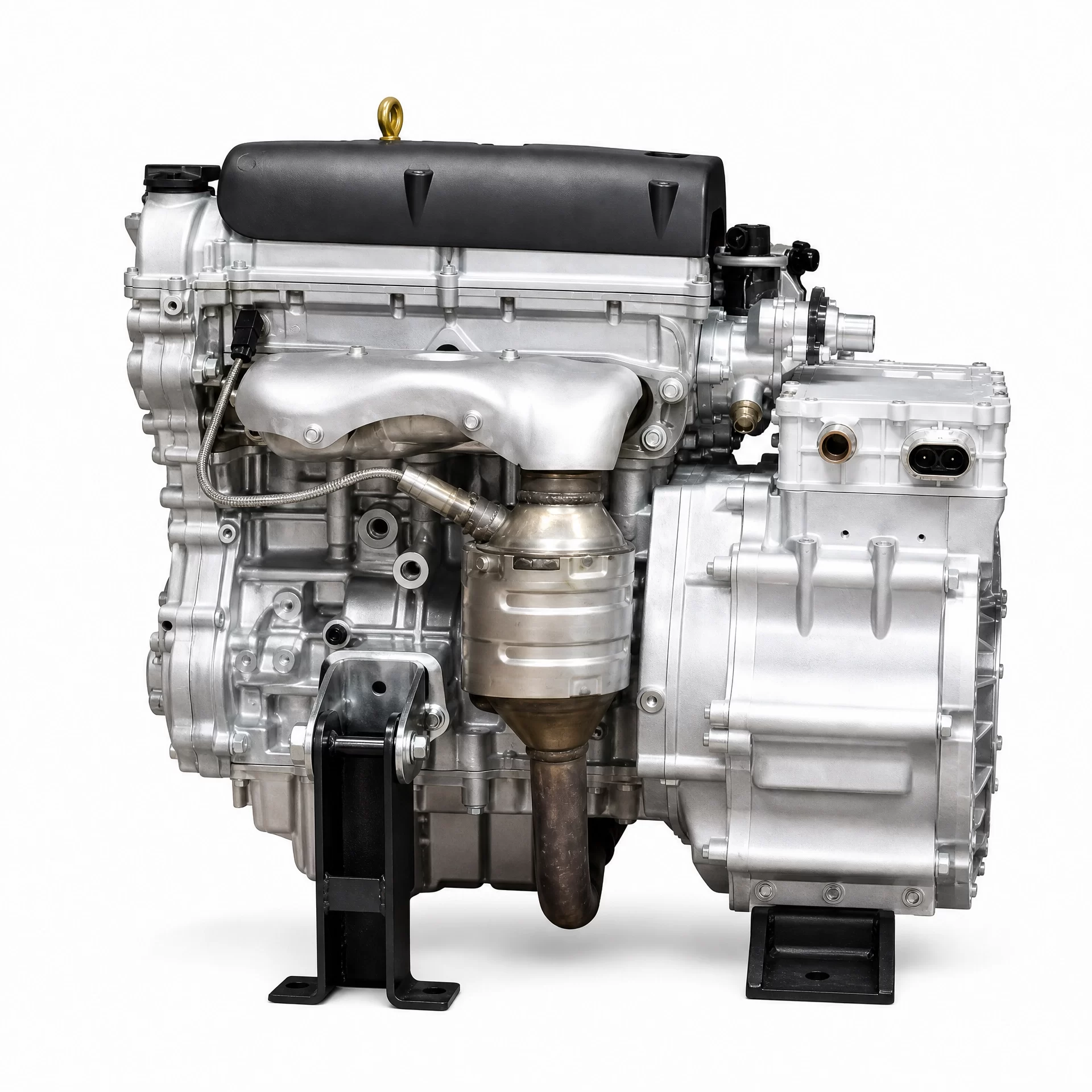
Gasoline Range Extender 35–45kW BG-RES-35-45G

  • Available in 35 kW and 45 kW versions
  • EU-VI compliant gasoline engines
  • Designed for bus and coach applications
  • Integrated 5-in-1 modular architecture
  • Stable performance under continuous load
Facebook
X
LinkedIn
E-mail

The Gasoline Range Extender 35–45kW covers two closely related models, representing the upper tier of DSM’s mid-range gasoline extender lineup. Engineered specifically for electric buses, coaches, larger light commercial vehicles, and specialty municipal platforms, these systems deliver sustained auxiliary power across extended duty cycles. Both utilize EU-VI compliant 4-cylinder gasoline engines — the QR472WB with a 1.2L displacement and the A151A1 with a 1.5L — at 540 Vdc output voltage.

These systems excel in bus and coach applications where passenger comfort demands low noise and smooth power delivery. The fully validated three-speed noise management system and integrated thermal management for both the engine and generator ensure quiet, thermally stable operation even during prolonged high-load scenarios such as uphill route segments or air-conditioned operation in summer heat.

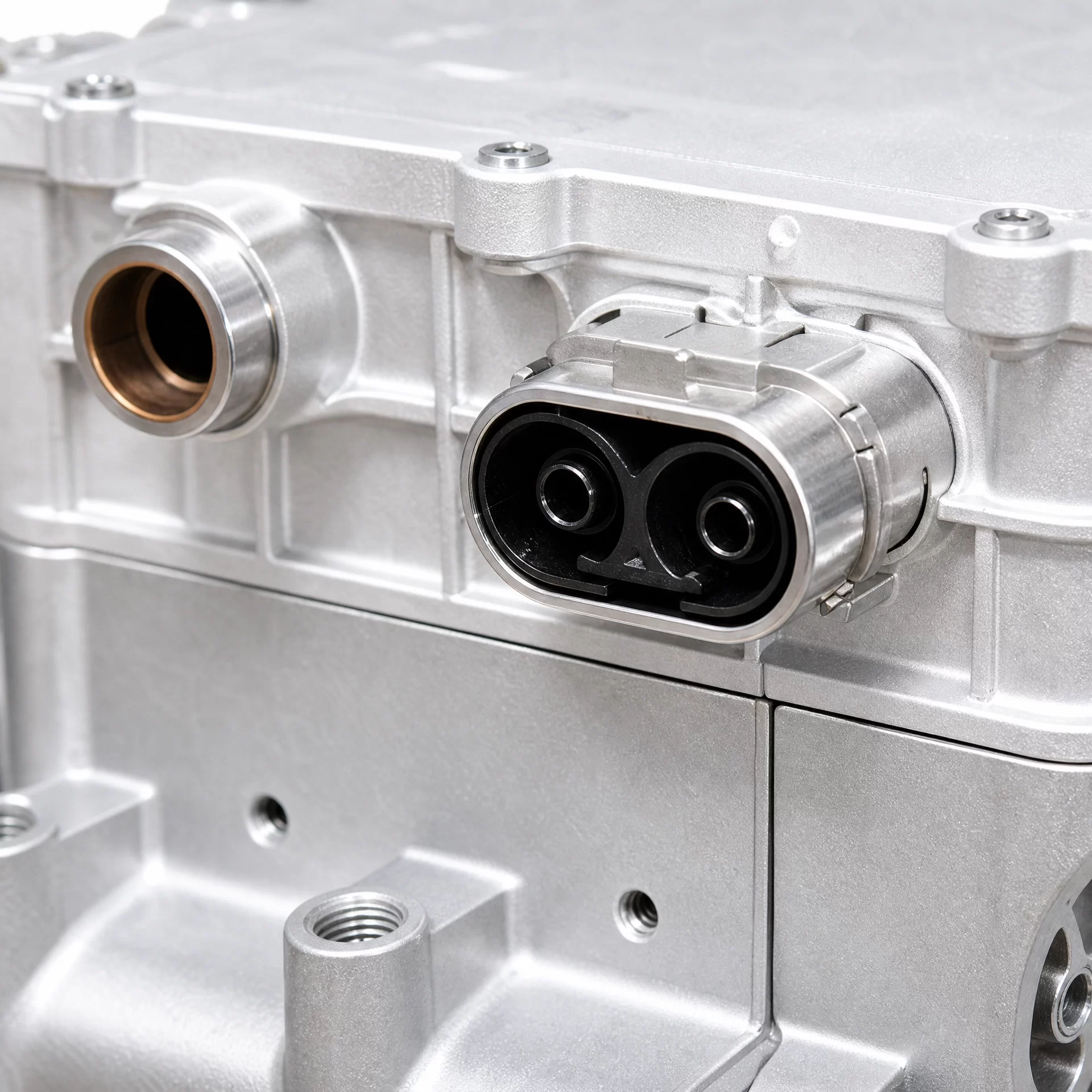
Both models feature the standard 5-in-1 modular architecture (IC engine, ECU, generator, GCU, RCU with wiring harnesses), dual output control modes, and comprehensive power battery protection logic. GPRS remote tuning and on-line CAN 2.0 calibration tools are available as options to support fleet-scale deployment and ongoing maintenance optimization.

For operators stepping up from lighter platforms, the Gasoline Range Extender 20kW and Turbo Diesel Range Extender 20kW provide entry points into the DSM mid-range lineup. For the heaviest commercial vehicle applications, the Heavy-Duty Diesel Range Extender 75kW delivers the next level of output.

Parâmetros principais

35kW (QR472WB) 45kW (A151A1)
Rated Power / Voltage30 kW / 540 Vdc40 kW / 540 Vdc
Peak Power / Voltage35 kW / 540 Vdc45 kW / 540 Vdc
Faixa de tensão300 ~ 750 Vdc350 ~ 750 Vdc
Fuel Consumption0.36 L/kW·h0.36 L/kW·h
Dimensions (mm)L720 × W629 × H485L732 × W579 × H599
Peso154 kg170 kg

Find Your Range Extender in 3 Steps

Step 1 of 3
What type of vehicle are you powering?
Light commercial vehicle
Bus & coach
Heavy truck & tractor
Specialty & municipal
A Structured Engineering Process for Successful EV Projects

How We Work

How We Work
Evaluate requirements and feasibility for optimal EV solution

Requirements Analysis

Collaborate to develop technical solutions and specifications

Solution Design

Develop, test, and validate customized EV systems reliably

Development & Production

Deliver worldwide with integration support and technical assistance

Global Delivery

Leading EV Powertrain Solutions Tailored for Commercial Vehicles

Our Solutions

Our Solutions
1

Solução de ônibus elétrico

2

Solução para caminhões elétricos

3

Solução para veículos comerciais leves

4

Solução para veículos fora de estrada

Proven Electrification Solutions Delivered Worldwide

Nossos projetos

Nossos projetos

Perguntas frequentes

Perguntas frequentes

How does the range extender work with the vehicle battery?

The system continuously monitors battery status and vehicle power demand. When required, the engine-driven generator automatically produces electricity and operates in constant-voltage or load-following mode to maintain battery performance and extend driving range.

Can the range extender be integrated with different battery voltages?

Yes. DSM range extender systems support a wide DC voltage range, typically from 144V to 750V depending on the model. This allows compatibility with various electric vehicle architectures and battery pack configurations.

What communication protocols are supported?

All systems support CAN 2.0 communication for integration with vehicle control units (VCU), battery management systems (BMS), and other onboard controllers. Protocol customization can also be supported for specific OEM requirements.

Can you develop a battery system based on my specific requirements?

Yes. We follow a process of requirement analysis, feasibility evaluation, engineering coordination, proposal & quotation, and project development. We work closely with your engineering team to ensure the solution meets your specifications.

Which vehicles are suitable for these range extender systems?

Range extenders are widely used in electric buses, light commercial vehicles, municipal vehicles, specialty equipment, utility vehicles, and heavy-duty trucks that require extended operating range without increasing battery capacity.

What are the advantages of the integrated 5-in-1 design?

The 5-in-1 architecture combines the engine, generator, ECU, GCU, RCU, and wiring harnesses into a compact package. This simplifies vehicle integration, reduces installation time, saves space, and improves overall system reliability.

Can the system operate in extreme temperatures?

Yes. Depending on the model, DSM range extenders can support cold starts down to -40°C and reliable operation in high-temperature environments. Integrated thermal management ensures stable performance across demanding operating conditions.

Does the system include battery protection functions?

Yes. The controller automatically adjusts operating modes when battery SOC becomes critically low or battery temperature falls outside recommended ranges, helping protect battery health and extend overall battery service life.

Is remote diagnostics available?

Yes. Selected models support GPRS-based remote monitoring, calibration, and diagnostics. Fleet operators can access operating data, monitor system status, and troubleshoot issues remotely to reduce maintenance costs and downtime.

How do I choose the right range extender power rating?

The ideal power rating depends on vehicle weight, battery capacity, duty cycle, and operating conditions. Smaller vehicles typically use 10–20 kW systems, while buses and heavy-duty applications often require 35–75 kW configurations.

What fuel options are available?

DSM offers both gasoline and diesel range extender systems. Gasoline models are suitable where fuel availability and emissions requirements are priorities, while diesel models generally provide higher fuel efficiency and lower operating costs.

Enviar uma consulta


    Selecione os campos a serem exibidos. Outros ficarão ocultos. Arraste e solte para reorganizar a ordem.
    • Imagem
    • SKU
    • Classificação
    • Preço
    • Estoque
    • Disponibilidade
    • Adicionar ao carrinho
    • Descrição
    • Conteúdo
    • Peso
    • Dimensões
    • Informações adicionais
    Clique fora para ocultar a barra de comparação
    Comparar
    Comparar ×
    Vamos comparar! Continuar comprando