Ağır hizmet tipi kamyonlar için doğru elektrikli tahrik aksının seçimi elektrikli kamyon güç aktarma sistemi tasarımında en kritik kararlardan biridir. Elektrikli ağır hizmet kamyonunun “güç merkezi” olarak elektrikli tahrik aksı, performans sınırlarını, uzun vadeli güvenilirliği ve uygulamaya uygunluğu doğrudan belirler.
Günümüzde, ağır hizmet tipi elektrikli tahrik aksları genellikle üç mimariye ayrılır: Yan tarafa monte (harici), entegre ve dağıtılmış elektrikli akslar. Aralarındaki temel farklar nelerdir? Belirli çalışma döngülerinde hangi çözüm daha mantıklıdır? Ve önümüzdeki yıllarda hangi teknoloji yolu baskın hale gelme olasılığı daha yüksektir?
Şimdi her bir seçeneğin ardındaki teknik mantığı inceleyelim.
Entegre ve Yan Montajlı Elektrikli Tahrik Aksı: Yapı, Performans Sınırlarını Nasıl Belirliyor?
1. Yandan Monte Edilen Elektrikli Tahrik Aksı: Maliyet Duyarlı Uygulamalar İçin Geçiş Dönemine Uygun Bir Seçenek
Yan tarafa monte edilmiş / harici bir elektrikli tahrik aksı, şu özelliklerle tanımlanır: geleneksel aks muhafazası, motor ve şanzıman flanş bağlantıları aracılığıyla dışarıdan monte edilmiştir. Güç ünitesi aks muhafazasının dışında “sarkık” göründüğü için, bu yapı genellikle yana monte veya harici elektrikli aks olarak adlandırılır.
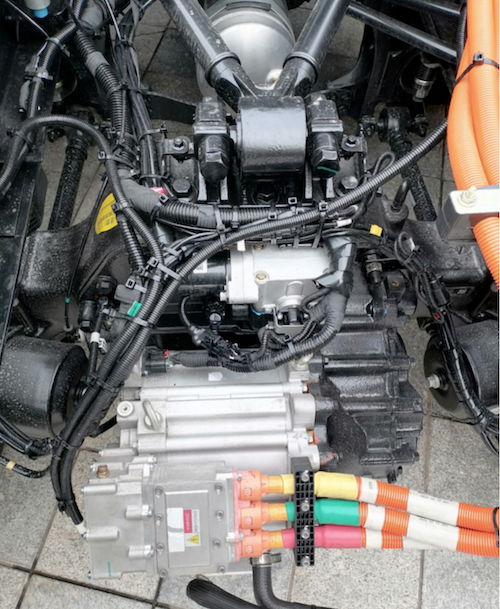
Bu düzeni sağlamak için, ana redüksiyon dişlisi genellikle geleneksel konik dişlilerden sarmal dişliler, dış tork aktarımına daha uygundur.
Bu mimarinin en büyük dezavantajı şudur: eksantrik yükleme. Motor-şanzıman grubu, bir nevi konsol yapısı oluşturarak kütle merkezini tekerlek ekseninden uzaklaştırır. Zorlu yol koşullarında, bu eksantrik kütle daha şiddetli atalet şoklarına neden olur ve bu durum motor ile şanzımanın uzun vadeli güvenilirliğini olumsuz etkileyebilir.
Ayrıca, kamyon şasisindeki sınırlı montaj alanı nedeniyle, yan tarafa monte edilen elektrikli tahrik akslarının çoğu iki vitesli şanzımanlar, nispeten sınırlı motor gücüyle. Bu durum, ağır yükler, dik yokuşlar veya uzun süreli otoyol sürüşü gibi karmaşık çalışma koşullarında uyarlanabilirliği kısıtlamaktadır.
Bunu telafi etmek için birçok OEM, bir çift motorlu sgövdeye monte strateji, aks muhafazasının her iki ucuna motor-şanzıman üniteleri monte edilerek. Senkronize kontrol sayesinde, sistemin maksimum gücü 550 kW'a kadar (≈748 beygir gücü), kısa ve orta menzilli, hafif ve orta ağırlıktaki uygulamalar için yeterlidir.
Başlıca avantajlar Bunlar arasında daha düşük üretim maliyeti ve daha kolay bakım sayılabilir; zira motorlar ve dişli kutuları ayrı ayrı bakımdan geçirilebilir.
Önemli sınırlamalar düşük entegrasyon, daha büyük ambalaj hacmi ve sınırlı dişli oranı esnekliğidir.
2. Entegre Elektrikli Tahrik Aksı: Neden Yüksek Entegrasyon Ana Akım Bir Yükseltme Haline Geliyor?
Yan montajlı mimarilerin eksikliklerini —eksantrik yükleme, düşük entegrasyon ve hacimli ambalajlama— gidermek için, entegre elektrikli tahrik aksı orta ve üst sınıf elektrikli ağır hizmet kamyonları için tercih edilen çözüm haline gelmiştir.
En belirgin özellikleri şunlardır:
Üç bölümlü modüler yapı
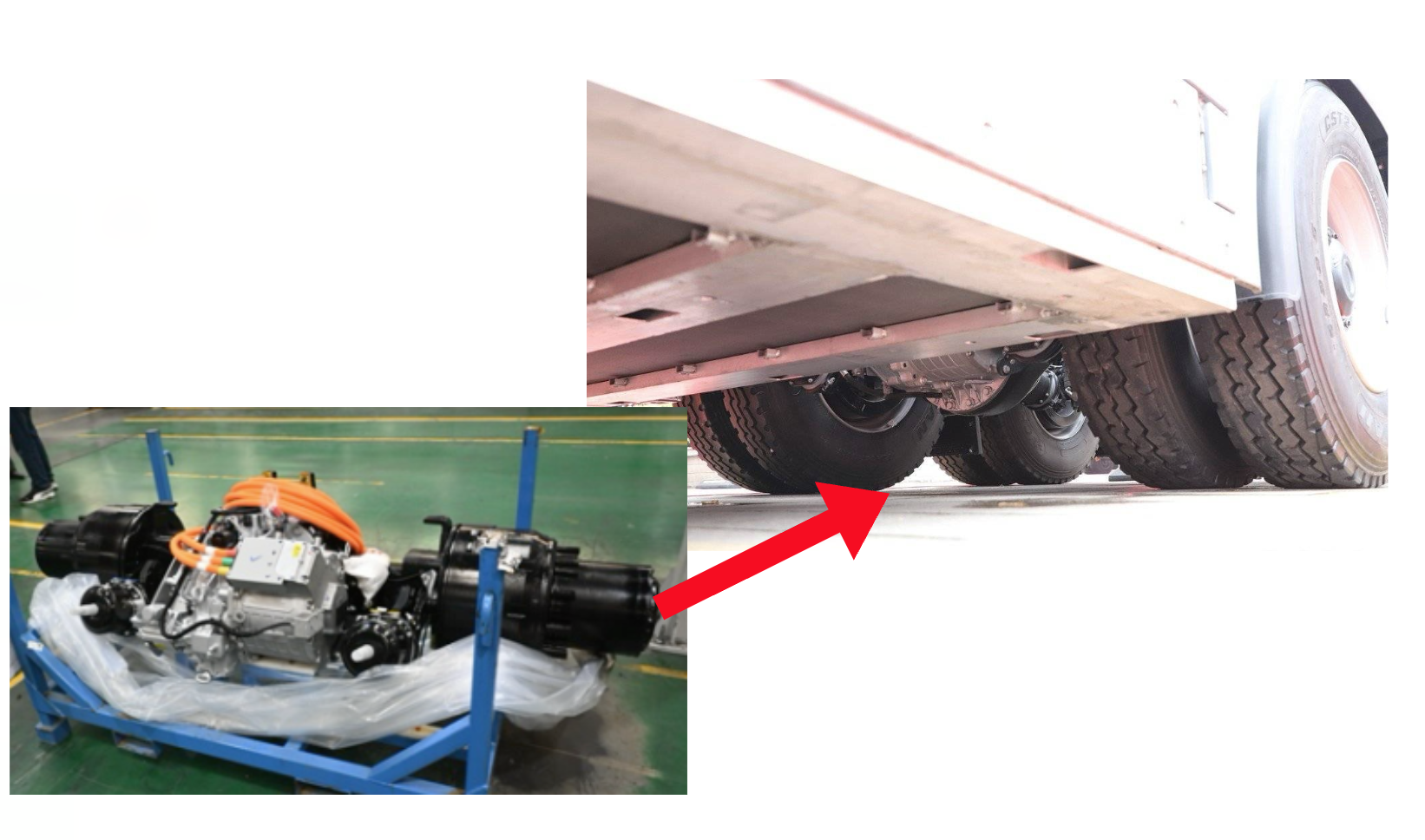
Merkez modül, motoru, çok kademeli şanzımanı, ana redüksiyon dişlisini ve diferansiyeli, şasiye montaj için optimize edilmiş kompakt bir ünite halinde bir araya getirir. Her iki tarafta bulunan döküm aks kolları, yüksek mukavemetli flanşlar aracılığıyla bağlanan tekerlek uçlarını ve fren sistemlerini destekler.
Yüksek entegrasyon, daha az yer kaplama
Temel aktarma organı bileşenlerini tek bir yapıda birleştiren entegre elektrikli tahrik aksları, yer ihtiyacını önemli ölçüde azaltarak bataryalar ve yardımcı sistemler için değerli alan açar; bu da elektrikli kamyonların tasarımında giderek daha kritik hale gelen bir faktördür.
Karmaşık çalışma döngüleri için çoklu hız özelliği
İki vitesli yan montajlı sistemlerin aksine, entegre elektrikli tahrik aksları birden fazla vites oranını destekleyebilir; bu da ağır yükler, yokuş tırmanma ve yüksek hızda seyir sırasında tork dağıtımının en verimli şekilde sağlanmasına olanak tanır.
Daha yüksek teknik engel ve maliyet
Sistem düzeyinde tam kapsamlı geliştirme ve entegrasyon ihtiyacı, Ar-Ge ve üretim maliyetlerinin artmasına neden olmaktadır. Sonuç olarak, entegre elektrikli tahrik aksları şu anda uzun mesafe ve ağır yük elektrikli kamyon uygulamaları, burada performans ve verimlilik maliyet kaygılarının önüne geçmektedir.
Dağıtılmış Elektrikli Tahrik Aksı: Akıllı Kontrol Hangi Çığır Açan Gelişmeleri Getiriyor?
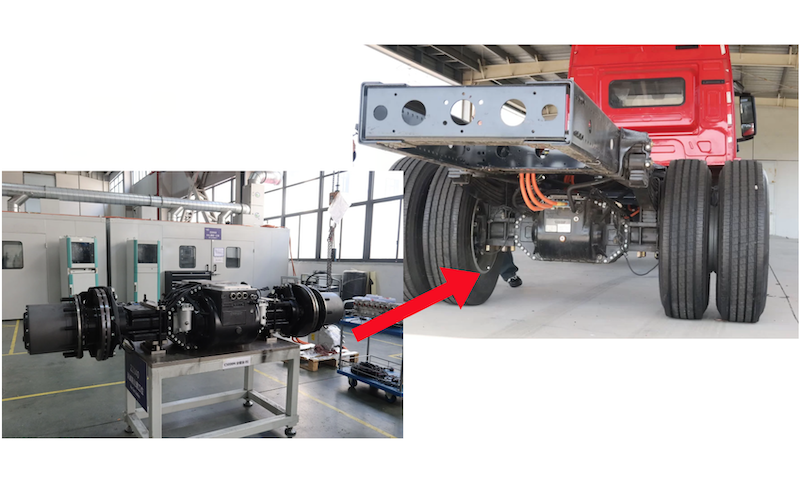
Bu dağıtımlı elektrikli tahrik aksı geleneksel aktarma organı mantığını temelden yeniden şekillendiriyor. En önemli yeniliği şurada yatıyor: mekanik diferansiyelin ortadan kaldırılması, bunun yerine bağımsız çift motor sol ve sağ tekerlekleri ayrı ayrı tahrik etmek.
Tork dağılımı tamamen elektronik kontrol sistemleri tarafından yönetilir ve bu da birçok performans avantajı sağlar:
✅ Mekanik diferansiyel içermeyen yapısal yenilik
Görsel olarak çift motorlu yan montajlı akslara benzemekle birlikte, mekanik diferansiyelin bulunmaması bu sistemin en belirgin farkıdır. Tork, dişliler yerine yazılım aracılığıyla dağıtılır.
✅ Araç manevra kabiliyetinde önemli ölçüde iyileşme
Çamur, engebeli arazi veya tutunma özelliğinin düşük olduğu yüzeyler gibi zorlu koşullarda, kontrol sistemi tekerlek hızını ve torku gerçek zamanlı olarak dinamik bir şekilde ayarlayabilir. Aşırı durumlarda, tekerleklerin ters yönde dönmesi sayesinde neredeyse yerinde dönüş yapılabilmesi, geçilebilirliği önemli ölçüde artırır.
Viraj alırken, elektronik diferansiyel algoritmaları torku araç hızı, direksiyon açısı ve yalpalama hızına göre dağıtır; böylece dengeyi artırırken ön ya da arka tekerleklerin kayma riskini azaltır.
✅ Elektronik ve şasi kontrol sistemlerine yüksek bağımlılık
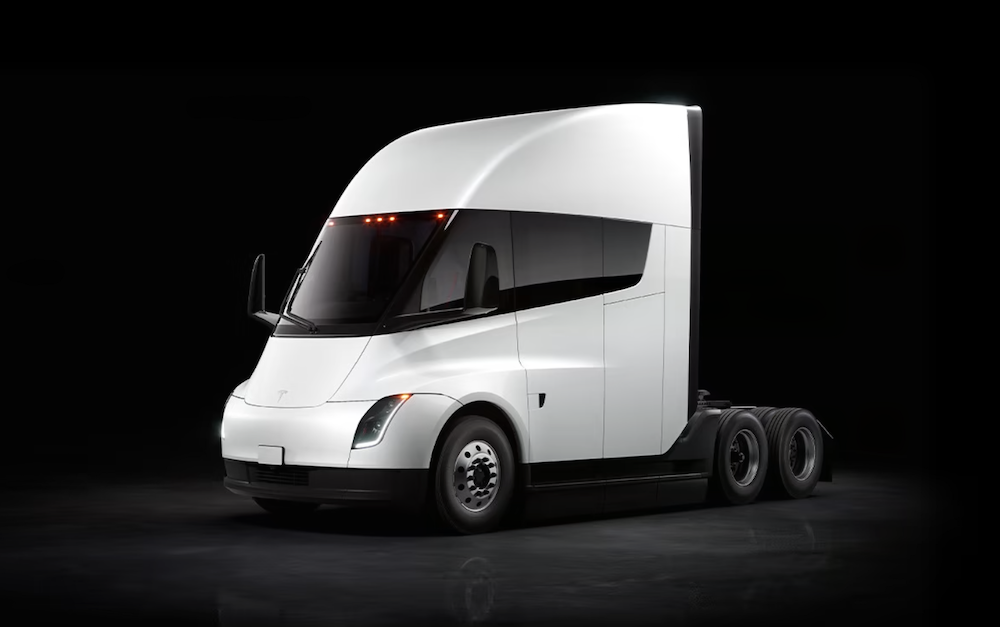
Bu mimari, gelişmiş araç elektroniği, drive-by-wire şasi kontrolü ve kapsamlı sistem entegrasyonu gerektirir. Şu anda, bu mimari esas olarak üst düzey akıllı elektrikli kamyonlar, örneğin Tesla Semi'nin ikinci tahrik aksı gibi.
✅ Daha hassas tork kontrolü ve daha yüksek verimlilik potansiyeli
Mekanik kayıpların azaltılmasıyla, dağıtılmış elektrikli akslar hassas tork kontrolü sunarak hem enerji verimliliğini hem de güvenlik odaklı sürüş stratejilerini destekler.
Vaka Çalışması: Tesla Semi’nin Hibrit Elektrikli Tahrik Aksı Stratejisi
Hannover'de düzenlenen 2024 IAA Ulaşım Fuarı'nda, Tesla Semi’elektrikli tahrik aksı konfigürasyonu sektörde büyük ilgi gördü. Tesla, bir dağıtılmış ve yana monte edilmiş elektrikli tahrik akslarını birleştiren hibrit strateji performans ile verimlilik arasında denge sağlamak.
- İkinci aks: Çift motorlu, şanzıman içermeyen ve dinamik tork kontrolü için optimize edilmiş dağıtılmış elektrikli tahrik aksı
- Üçüncü aks: Yüksek hızda seyir için tasarlanmış, tek motorlu ve iki vitesli şanzımanlı, yana monte elektrikli tahrik aksı
Birlikte, üç motor toplamda şu kadar tepe güç sağlar: 1.000 beygir gücüne kadar, akıllı bir sürüş stratejisiyle desteklenerek:
Sert hızlanma
Üç motor da aynı anda devreye giriyor. 37 tonluk brüt araç ağırlığıyla Semi, 0'dan 96,5 km/s hıza sadece 20 saniyede ulaşıyor.
Otoyolda seyir
60 km/s'nin üzerinde, dağıtıcı aks devre dışı kalır. Debriyaj, şanzıman ile yarım aksları birbirinden ayırır; böylece arka tarafa monte edilmiş elektrikli aks, itiş gücünü üstlenirken, enerji tüketimini en aza indirmek için vitesleri otomatik olarak değiştirir.
Tepe tırmanışı
Hızlı hızlanma veya dik eğimler algılandığında, dağıtılmış aks üzerindeki çift motor anında yeniden devreye girer ve 5% eğimlerinde 50–70 km/s hızda istikrarlı bir tırmanış sağlar.
Yokuş aşağı sürüş ve rejeneratif frenleme
Üç motor da eğim ve hıza göre rejeneratif frenlemeyi koordine ederek, enerji geri kazanımı sağlarken kontrollü bir yavaşlama sağlar.
Bu strateji, Tesla Semi'nin enerji tüketimini 37 ton yük ve 105 km/s hızda 1,24 kWh/km, akıllı kontrol sistemleriyle birleştirildiğinde dağıtılmış elektrikli tahrik aks sistemlerinin verimlilik potansiyelini ortaya koyuyor.
Gelecekteki Eğilimler: Entegre Elektrikli Tahrik Aksları Öne Çıkarken, Dağıtık Sistemler Olgunlaşmayı Bekliyor
Önümüzdeki beş yıla bakıldığında, sektördeki işaretler açıkça şunu gösteriyor ki ağır hizmet tipi kamyonlar için elektrikli tahrik aksı gelişim.
Örneğin, DEEPWAY önceki modellerinde kullandığı yana monte elektrikli tahrik akslarından, 2025 ürün yelpazesinde tamamen entegre elektrikli tahrik akslarına geçiş yaptı. Benzer şekilde, Bosch gibi tedarikçiler de yana monte mimarileri büyük ölçüde atlayarak doğrudan entegre sistemlere odaklandılar.
Bu eğilimler şunu gösteriyor ki entegre elektrikli tahrik aksları, Yüksek entegrasyon, kompakt tasarım ve çoklu hız özelliği sayesinde, bu ürünler elektrikli ağır hizmet kamyonları için en yaygın çözüm haline gelmeye adaydır.
Buna karşılık, dağıtılmış elektrikli tahrik aksları elektronik diferansiyellere ve akıllı şasi sistemlerine büyük ölçüde bağımlı olmaya devam edecek. Kısa vadede, bu teknolojilerin kullanımı büyük olasılıkla lüks ve son derece akıllı kamyon platformlarıyla sınırlı kalacaktır. Daha yaygın bir benimsenme ise, ağır vasıta segmentinde akıllı sürüş teknolojilerinin büyük ölçekli endüstriyelleştirilmesine bağlı olacaktır.
Ağır hizmet tipi kamyon platformunuz için doğru elektrikli tahrik aksını mı arıyorsunuz?
Elektrikli tahrik aksının seçimi sadece maksimum güçle ilgili değildir; sistem uyumu da önemlidir. Brogen Motors olarak, entegre veya dağıtık elektrikli tahrik aksı çözümleri önermeden önce, görev döngülerini, araç kütlesini, aks yükünü, yerleştirme kısıtlamalarını ve verimlilik hedeflerini değerlendirmek üzere OEM mühendislik ekipleriyle yakın işbirliği içinde çalışıyoruz.
Elektrikli bir ağır hizmet kamyonu geliştiriyorsanız ve e-aks seçimi ve sistem entegrasyonu için mühendislik düzeyinde desteğe ihtiyacınız varsa, ekibimiz iş birliği yapmaya hazırdır.
Uzmanlarımıza şu adresten ulaşın inquiry@brogenmotors.com. En son haberler için lütfen Brogen'in Linkedin'i. Daha fazla video için lütfen tıklayın Brogen'in Youtube'u. Brogen's hakkında daha fazlasını bulun ti̇cari̇ araçlar i̇çi̇n ev çözümleri̇.
 English
  Español
  Português do Brasil
  Türkçe