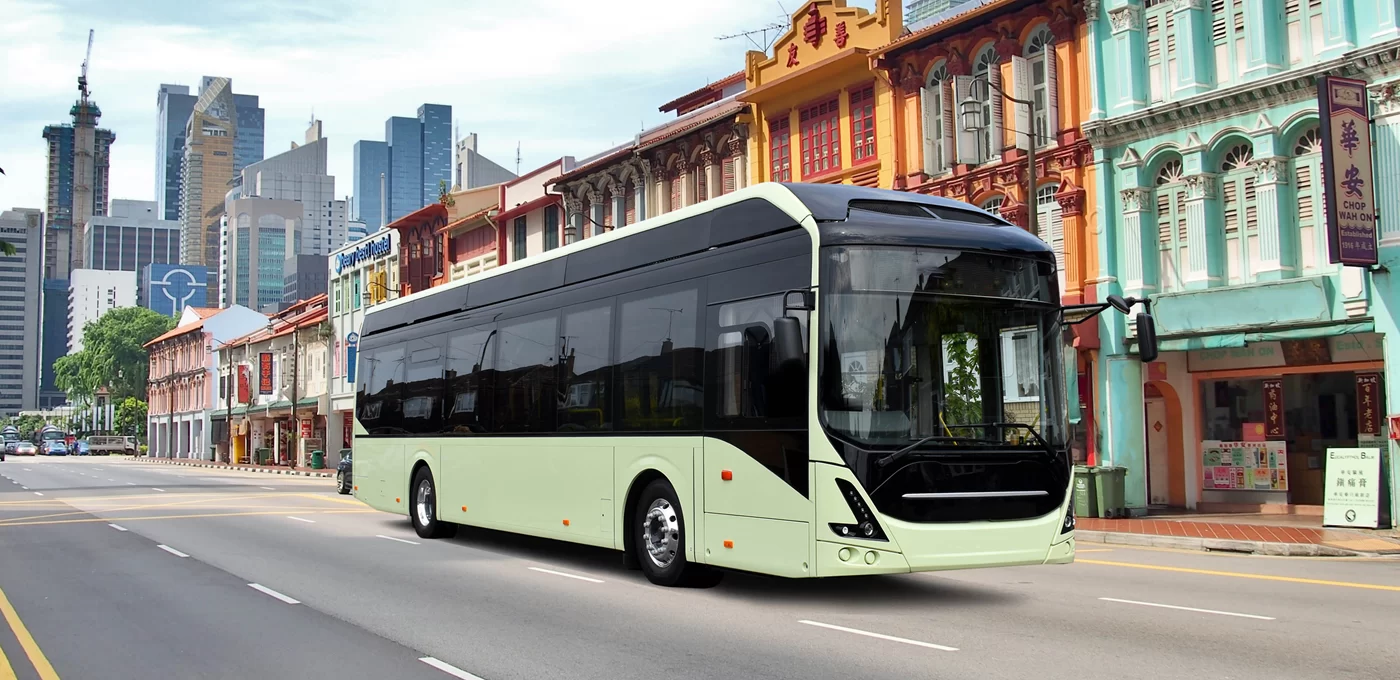
Autobús eléctrico
categoría:
Autobús eléctrico
date:
March, 2022
ubicación:
Turkey
EV Bus Battery Solution for Scalable Electric Bus Platforms
Brogen’s advanced EV bus battery solution forms the backbone of reliable and efficient electric bus operations.
Featuring state-of-the-art lithium-ion battery packs and integrated battery management systems, Brogen’s technology ensures high performance for modern commercial electric vehicles.
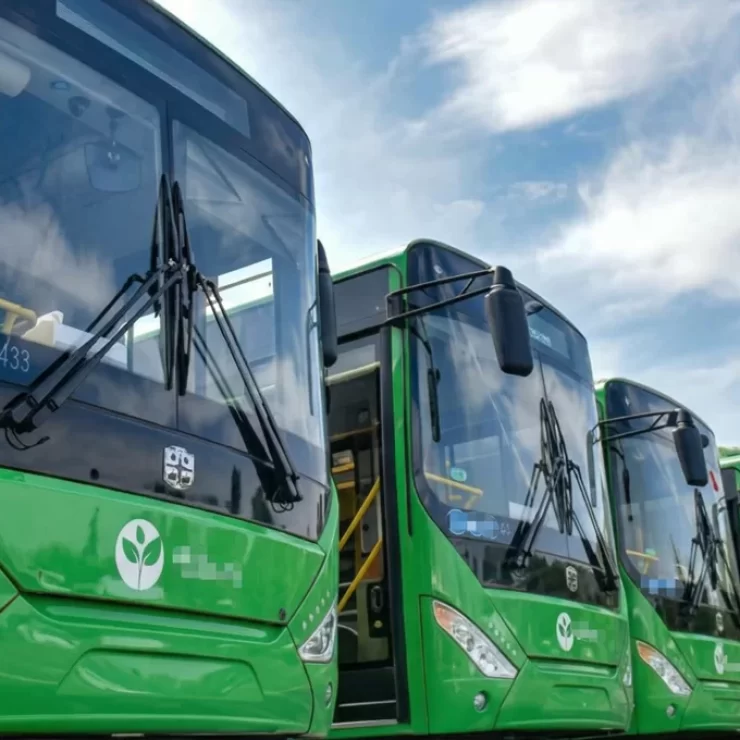
This article explores the EV bus battery solution deployed in Turkey’s electric bus project, highlighting system architecture, technical performance, safety design, and application value.
Electric Light Truck Project Overview in Thailand
The electric pickup truck project in Thailand was developed in collaboration with a local EV technology team focusing on converting light commercial vehicles into electric platforms. The goal was to integrate a high-efficiency EV powertrain system into a pickup truck platform while maintaining durability, load capacity, and real-world operational performance.
The project required a compact yet powerful electric drivetrain capable of supporting commercial use cases such as urban logistics, cargo transport, and fleet-based operations. The final solution was selected after system evaluation and road testing under real operating conditions.
EV Bus Battery Solution for Electric Bus Platform Integration
Custom Design for 8m and 12m Electric Buses
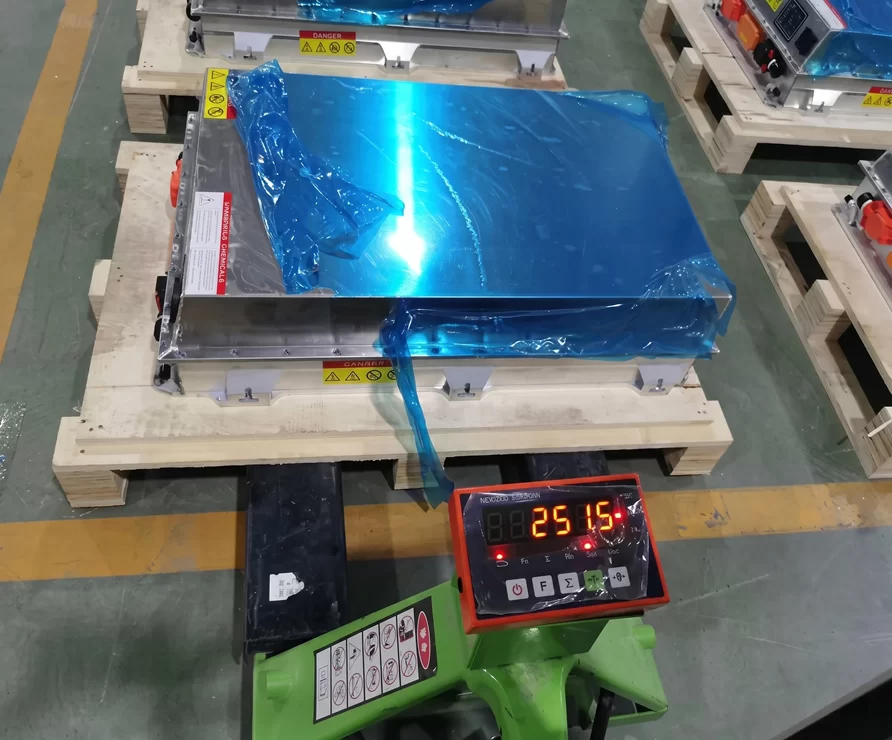
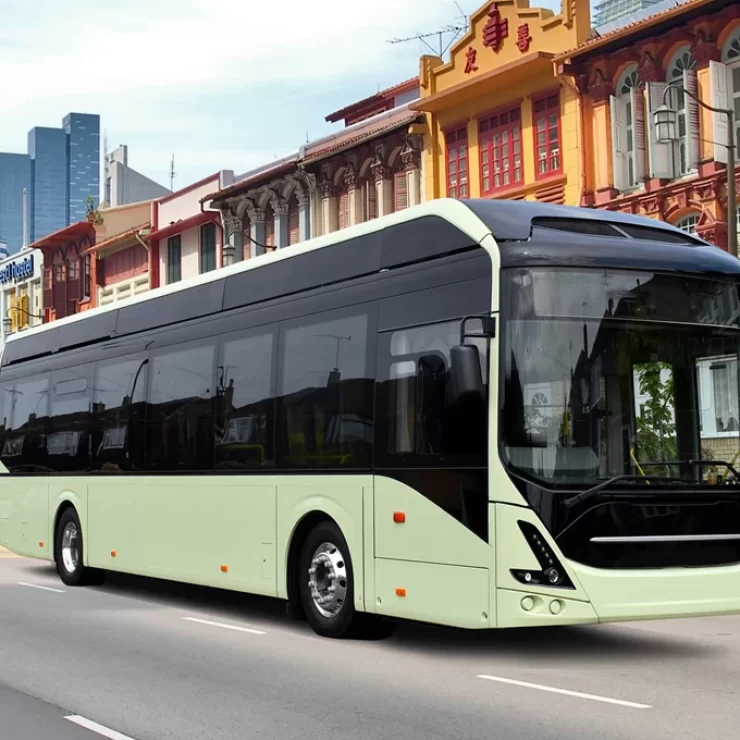
The EV bus battery solution was engineered specifically for 8-meter and 12-meter battery electric buses, requiring two tailored configurations to match vehicle dimensions, passenger load, and operational range targets.
Unlike standard EV platforms, this project required a fully customized architecture to ensure compatibility with vehicle-specific constraints and system-level performance requirements.
High-Voltage System Architecture for Motor Compatibility
A key engineering challenge was aligning the battery system with a 700 V motor platform. To achieve this, the solution adopts a 614.4 V nominal system, balancing electrical efficiency, safety margins, and drivetrain compatibility.
This high-voltage architecture improves energy transmission efficiency while ensuring stable integration with the electric propulsion system.
Space-Optimized Battery Installation Design
The battery system is designed for efficient integration within limited bus chassis space. Layout optimization ensures proper weight distribution while maintaining service accessibility.
Key integration advantages:
- Flexible installation layout for different bus structures
- Optimized weight distribution for vehicle stability
- Compact system packaging for constrained chassis space
- Simplified maintenance access for fleet operations
EV Bus Battery Solution for Energy Performance and Efficiency
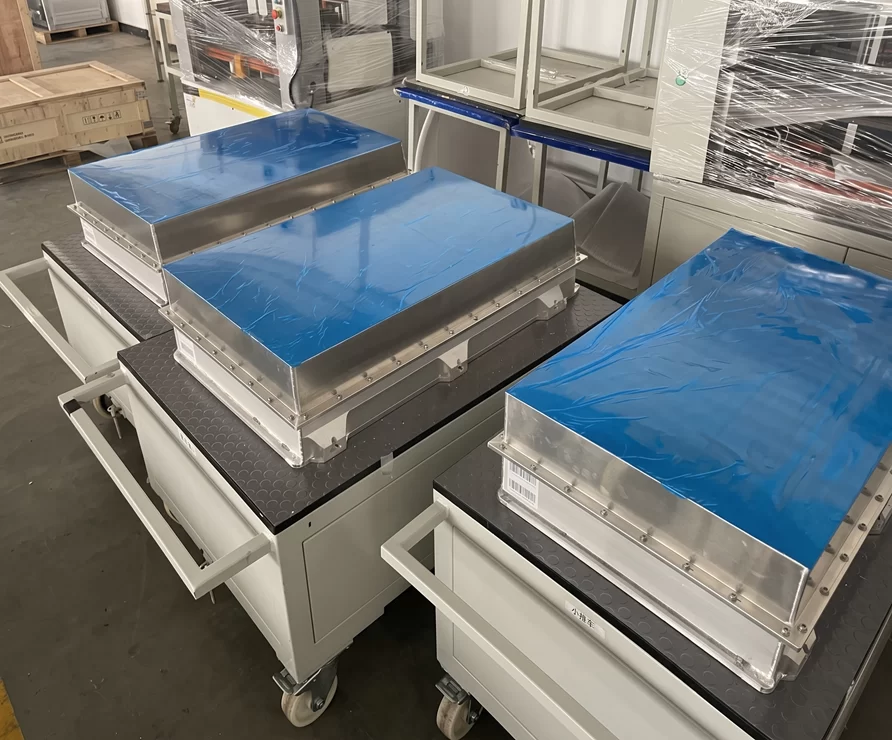
280kWh High-Capacity Energy System
The solution features a 280 kWh battery pack, delivering sufficient energy for long-range electric bus operation in urban and intercity environments.
This capacity is optimized to balance driving range, system weight, and installation feasibility within bus platforms.
LFP Battery Chemistry for Stability and Lifecycle
The system uses LiFePO₄ (LFP) battery chemistry, known for its high thermal stability, long cycle life, and strong safety performance—making it ideal for high-frequency commercial transport operations.
Fast Charging Capability for Fleet Efficiency
To reduce downtime and improve operational efficiency, the system supports 80–180 kW DC fast charging, enabling rapid energy replenishment between routes.
Key performance features:
- High energy density for extended driving range
- Stable discharge under continuous operation
- Fast charging compatibility (80–180 kW DC)
- Long lifecycle for commercial fleet usage
EV Bus Battery Solution for Safety and Thermal Management
Advanced Battery Management System (BMS)
The EV bus battery solution integrates a custom BMS architecture with one BMU and multiple monitoring modules. This enables real-time system control and precise battery behavior management.
Functions include:
- Real-time voltage, current, and temperature monitoring
- Cell balancing and system optimization
- Fault detection and early warning mechanisms
- Centralized control via BMU coordination
High-Voltage Protection and Power Distribution Unit
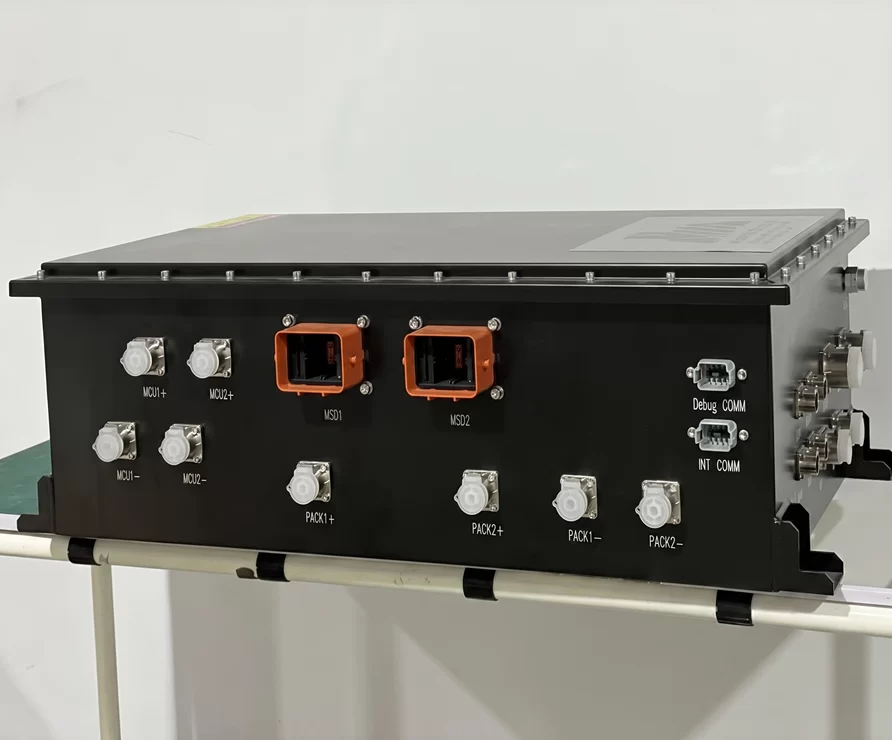
A dedicated Power Distribution Unit (PDU) is integrated into the system, combining high-voltage control and protection functions. This ensures stable electrical distribution and fault isolation across the system.
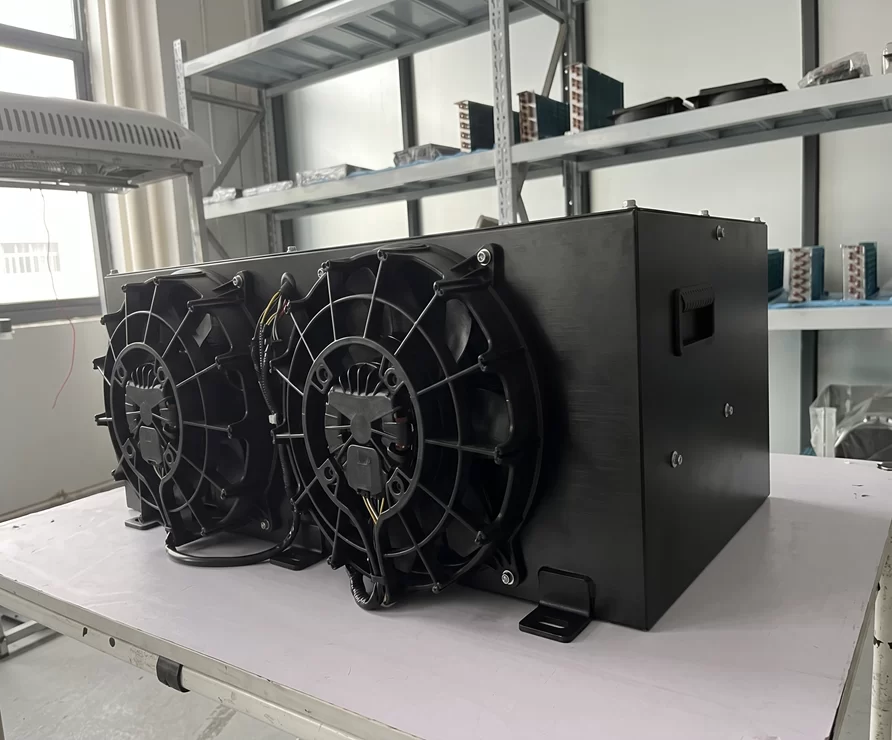
8kW Thermal Management System
The battery system includes an 8 kW cooling module, designed to maintain optimal operating temperatures under continuous load conditions.
This thermal control system ensures:
- Stable performance under high load
- Extended battery lifecycle
- Reduced thermal degradation risk
- Improved operational safety
EV Bus Battery Solution Technical Specifications
| Categoría | Especificación |
|---|---|
| Aplicación | 8m & 12m battery electric buses |
| Battery Capacity | 280 kWh |
| Tensión nominal | 614.4 V |
| Battery Chemistry | LiFePO₄ (LFP) |
| Cell Configuration | 230Ah, 1P16S modules |
| Total Modules | 24 modules |
| Battery Management | 1 BMU + distributed monitoring units |
| Thermal System | 8 kW cooling module |
| Charging System | DC fast charging (80–180 kW) |
| High Voltage Protection | Integrated PDU system |
| Certificación | ECE R100 compliance |
| Project Timeline | Oct 2022 – Aug 2023 |
EV Bus Battery Solution for Engineering Execution
System-Level Integration Challenges
One of the primary engineering challenges was achieving voltage compatibility between the battery system and the 700 V motor platform. This required precise configuration of lithium modules to ensure stable system performance.
Dual Configuration for Different Bus Sizes
The project required two separate battery configurations for 8m and 12m buses. Each configuration was optimized based on:
- Driving range requirements
- Vehicle weight constraints
- Passenger load assumptions
- Energy consumption modeling
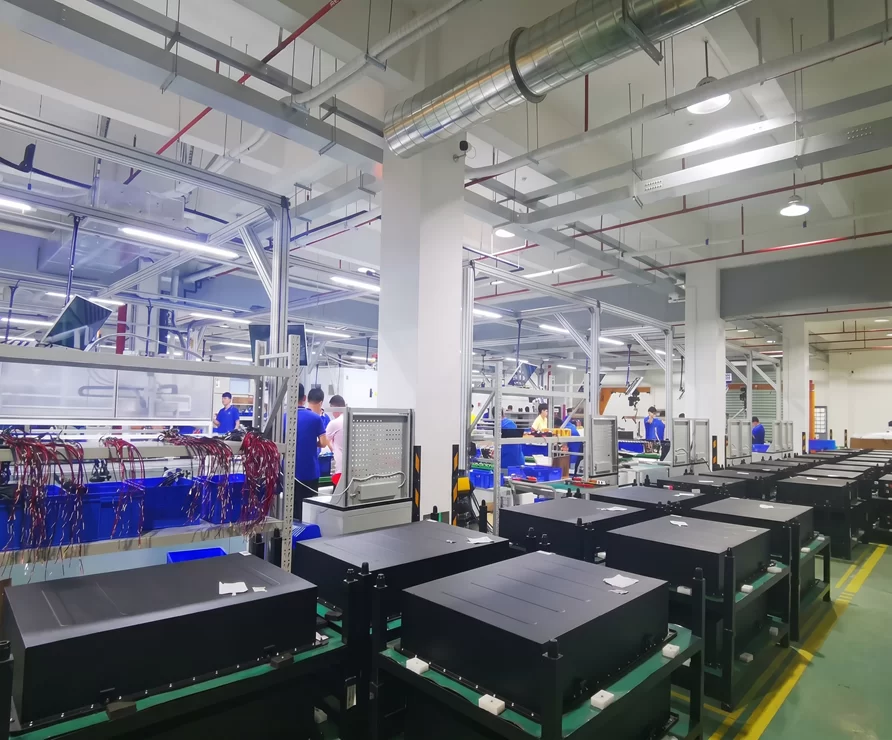
System Validation and Commissioning
Before deployment, the system underwent full validation, including:
- Electrical system testing
- Charging compatibility verification (EU standards)
- Circuit and connector design validation
- Joint debugging of battery and charging systems
Post-delivery, remote software tuning and system optimization ensured stable real-world operation.
EV Bus Battery Solution for Scalable Electrification
The EV bus battery solution is designed with scalability in mind, allowing adaptation across different electric bus platforms and regional requirements.
Its modular architecture supports:
- Platform standardization across OEM models
- Flexible capacity scaling for different route demands
- Future upgrade capability without full redesign
- Long-term fleet electrification planning
The system also complies with ECE R100 certification standards, ensuring readiness for European commercial deployment.
Conclusion: Precision-Engineered Power for Electric Bus Electrification
The EV bus battery solution developed for Turkey’s electric bus project demonstrates a highly customized, engineering-driven approach to commercial vehicle electrification.
With a 280 kWh high-voltage system, advanced BMS architecture, and integrated thermal management, it delivers reliable performance under real-world operating conditions.
For OEMs and fleet operators, it provides a proven, scalable, and regulation-compliant solution for accelerating electric bus deployment.
Descargo de responsabilidad: Los detalles del proyecto que se muestran son ejemplos representativos. Las especificaciones y el rendimiento pueden variar en función de los requisitos del cliente y las condiciones de funcionamiento. Parte de la información puede ajustarse para proteger datos confidenciales del proyecto.
Preguntas frecuentes
Why is an e axle important for light truck electrification?
An e axle integrates key drivetrain components into one compact unit. It improves energy efficiency, reduces weight, and frees up chassis space for battery integration, which is critical for light truck platforms.
What were the key tests in the Thailand project?
The Thailand electric pickup truck project included road testing, water wading, and high-load performance validation. The system demonstrated stable and reliable operation across all real-world test conditions.
Can the system be used for fleet applications?
Yes, the modular architecture is designed for fleet scalability. It supports multiple vehicle types and simplifies maintenance, making it suitable for logistics companies and commercial fleet operators.
What are the main advantages of this system design?
The system provides higher efficiency, reduced drivetrain complexity, compact packaging, and improved scalability. These advantages make it well suited for modern electric commercial vehicle development.
Póngase en contacto conmigo
Su dirección de correo electrónico no será publicada. Los campos obligatorios están marcados con *.
 English
  Español
  Português do Brasil
  Türkçe