Vehicle Size determines Design and Layout of Battery Pack
1. Requirements Analysis: First, we conduct a detailed technical requirements analysis for buses of different lengths, understanding factors such as passenger capacity, expected range, vehicle weight, and spatial layout.
2. Battery Pack Capacity Design: Based on the specific needs of each bus model, we design battery packs of different capacities. For example, an 8-meter bus might require a smaller battery pack to accommodate its smaller passenger capacity and weight, while a 12-meter bus might need a larger battery pack for longer range requirements.
3. Space Optimization: Considering the space limitations inside the bus, we optimize the use of space when designing the battery pack to ensure it meets energy requirements while fitting the vehicle’s structural layout. Different types of electric buses have significant variations in the placement of batteries, with some installed on the roof, some at the rear, and others at the bottom. We need to make reasonable design adjustments based on the structural differences of the buses.
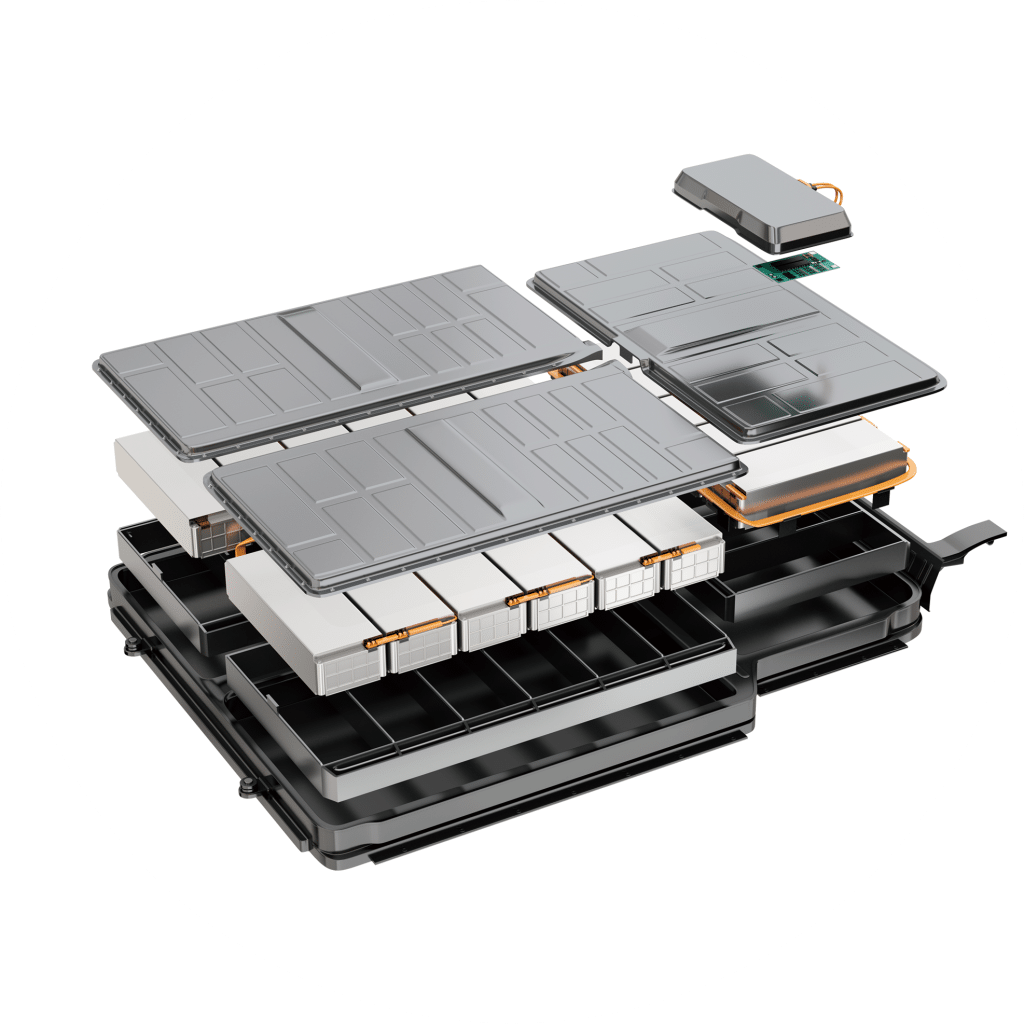
4. Modular Design: We use a modular design approach, allowing the number of battery cells in the pack to be increased or decreased as needed to suit the requirements of buses of different lengths. This way, even with different voltage and current requirements, the number of battery cells can be adjusted to fit.
5. Voltage and Current Adaptation: We design a specialized Battery Management System (BMS) to adapt to different voltage requirement, ensuring the battery pack can provide sufficient power while remaining safe and stable.
6. Compatibility Testing: We conduct extensive compatibility testing during the design phase to ensure the battery pack can operate normally on buses of different lengths and under various driving conditions.
7. Technical Communication and Collaboration: Maintain close technical communication with clients to ensure the design meets their specific needs and to address any technical issues promptly during development. 8. Continuous Iteration: Continuously optimize the battery pack design based on test results and client feedback to ensure the final product meets all technical specifications and performance requirements.
About Brogen:
En Brogen, nos comprometemos a ofrecer Soluciones EV. Las respaldamos con nuevas tecnologías para ayudar a las empresas de VE a prosperar y promover la sostenibilidad medioambiental. Brogen ofrece un servicio Solución EV Powertrain para vehículos comerciales.
Hemos forjado alianzas estratégicas con actores clave del sector de los vehículos de nueva energía, entre ellos motor eléctrico y controladores, fabricantes de baterías y proveedores de estaciones de carga. También colaboramos con proveedores de componentes esenciales como Batería de coche eléctrico, motor para vehículos eléctricos (motor PMSM), controlador del motor, OBC+DCDC+PDU, motor de flujo axial, BMS, sistemas de aire acondicionado, compresores de aire y sistemas de dirección asistida.
Hemos suministrado soluciones eléctricas de alta calidad a más de 100 clientes en más de 20 países.
Póngase en contacto con nuestros expertos
¿Le interesa potenciar su proyecto de VE? Póngase en contacto con nuestros expertos en inquiry@brogenmotors.com. Nos comprometemos a responderle en un plazo de dos días laborables.
Para ver más vídeos, haga clic en Youtube de Brogen.
Para conocer las últimas noticias, consulte Linkedin de Brogen.
 English
  Español
  Português do Brasil
  Türkçe