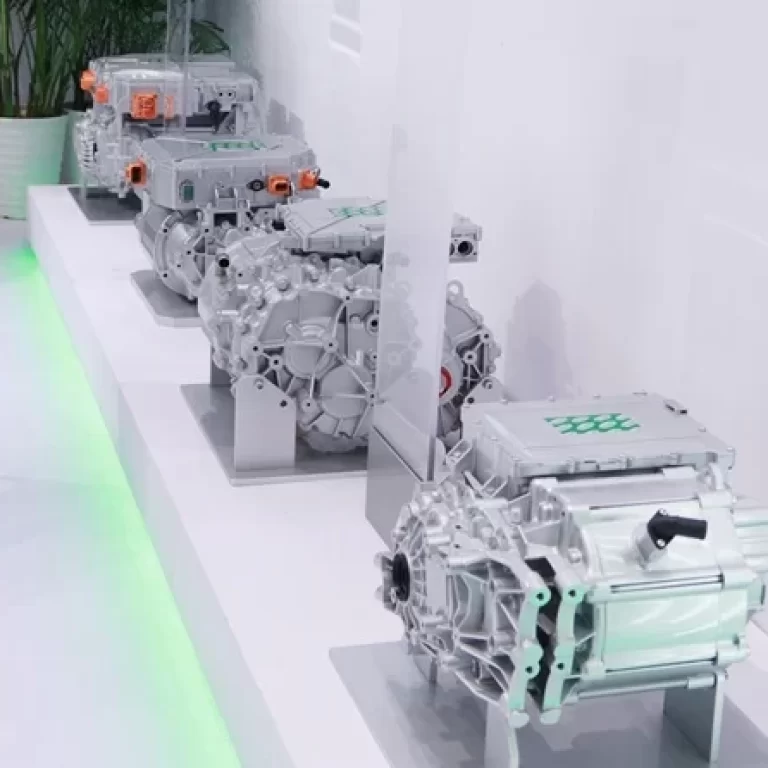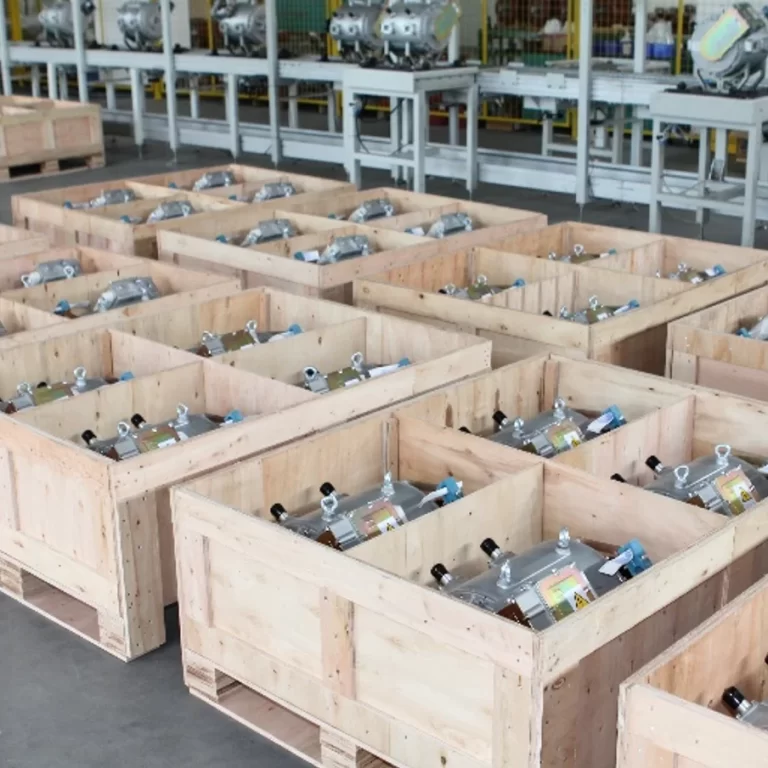
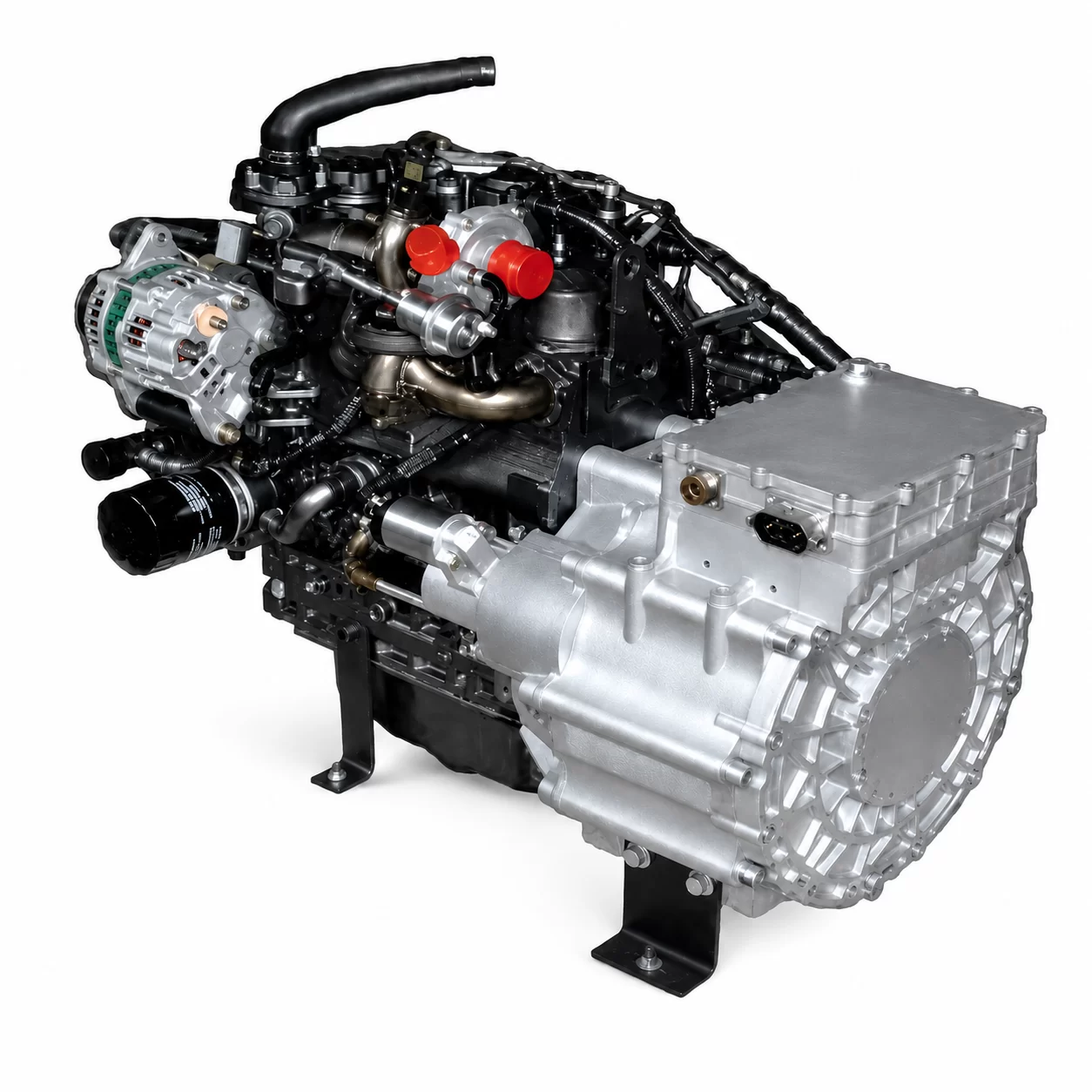
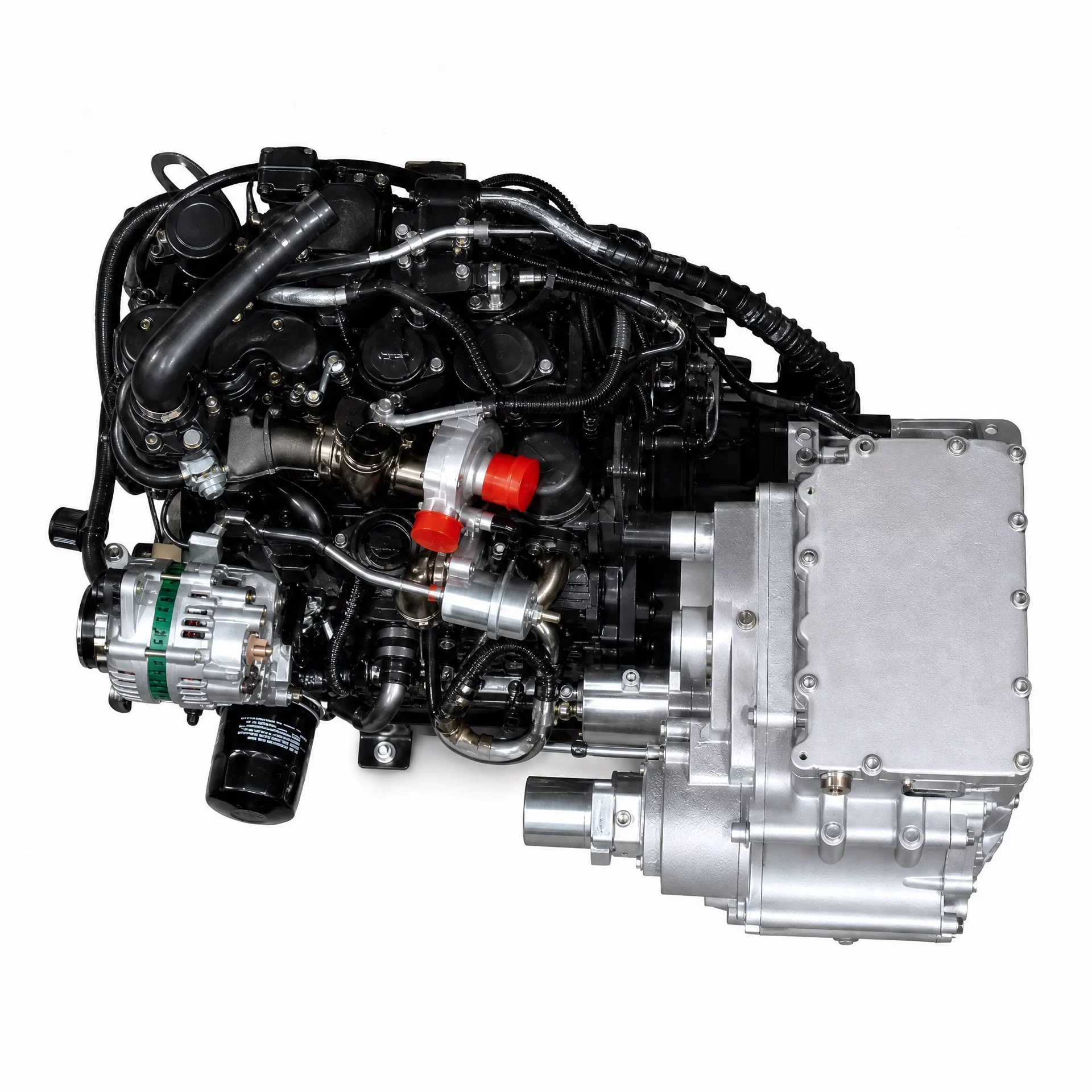
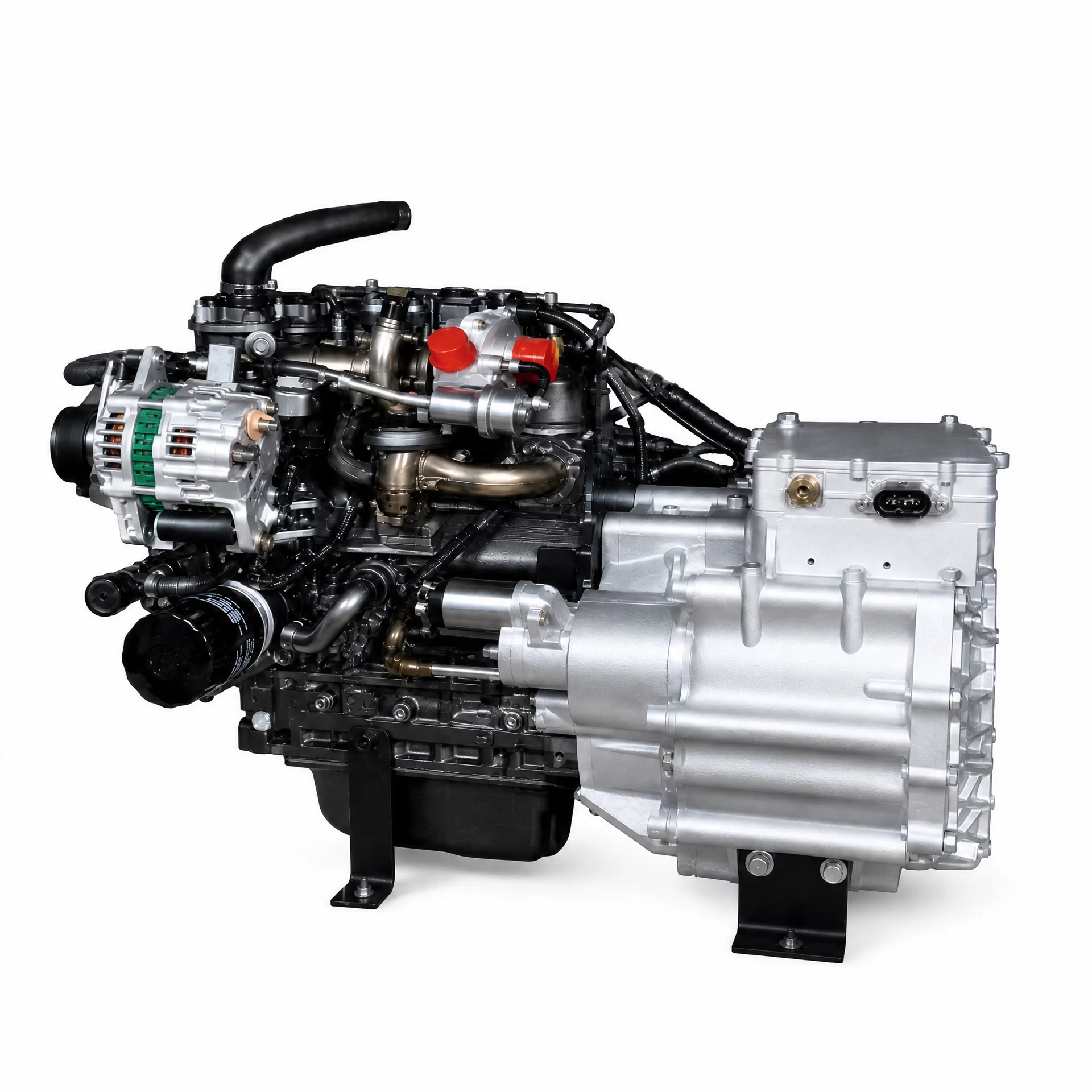
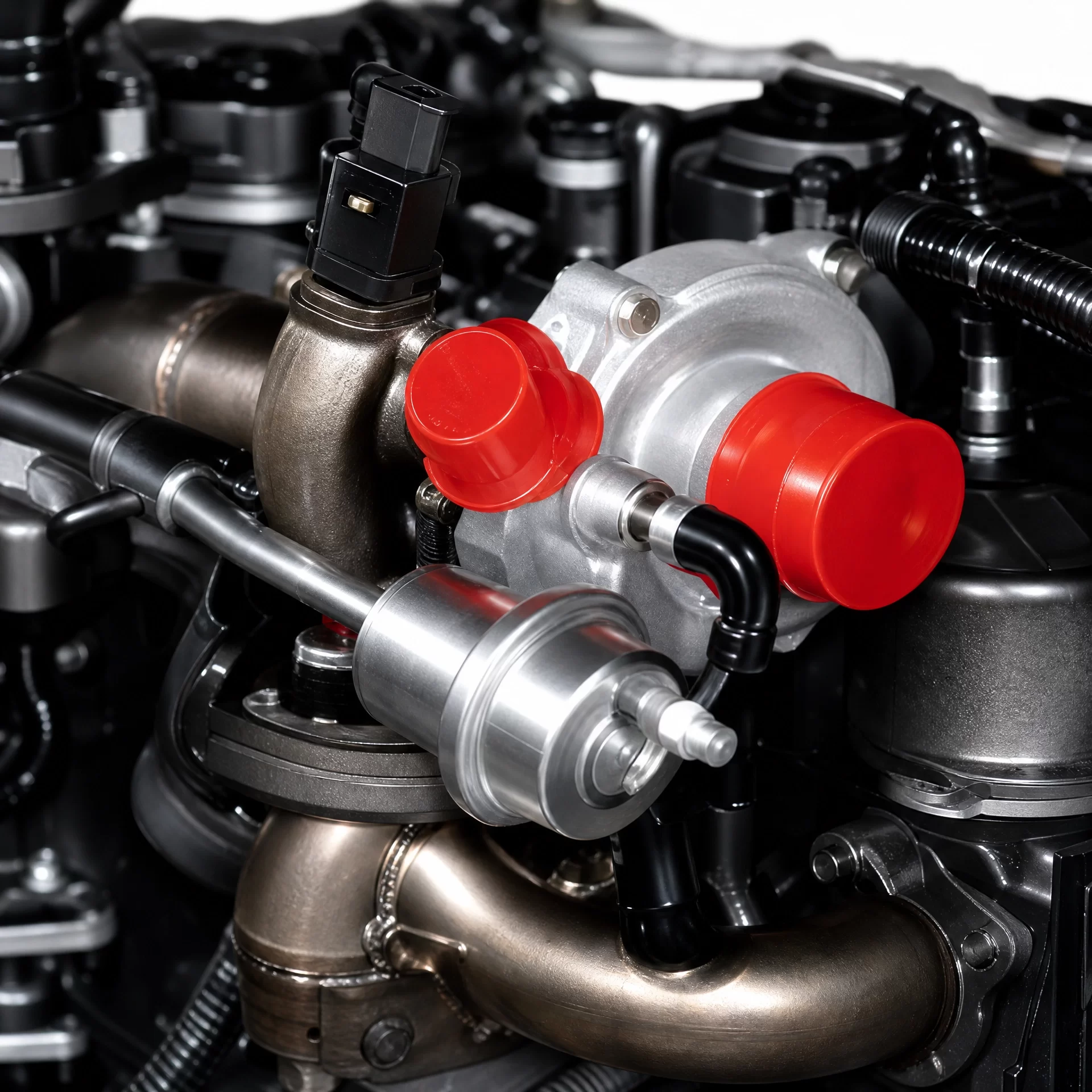
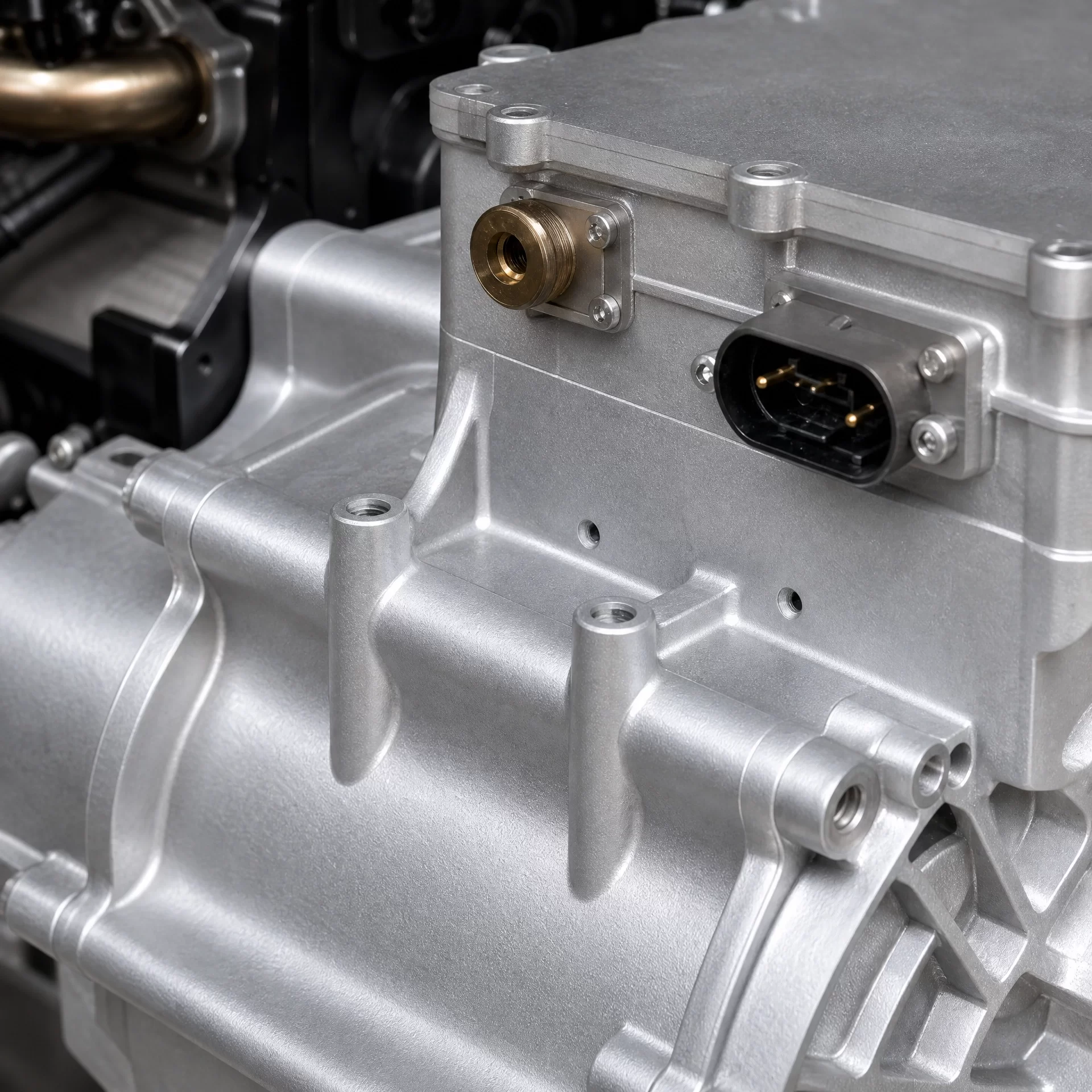
Turbo Diesel Range Extender 20kW BG-RES-20TD

  • Turbocharged diesel for higher efficiency
  • 20 kW rated and 25 kW peak output
  • Low fuel consumption of 0.30 L/kWh
  • Wide 300–750 V operating range
  • Intelligent battery protection system
Facebook
X
LinkedIn
Email

The Turbo Diesel Range Extender 20kW is the flagship turbocharged diesel unit in the mid-range category, offering an exceptional combination of power density and fuel economy. With a rated output of 20 kW and a peak capability of 25 kW at 525 Vdc, coupled with an industry-leading fuel consumption of just 0.30 L/kW·h, this system is purpose-built for commercial EV operators who prioritize total cost of ownership and range reliability.

The turbocharged in-line 3-cylinder 1.2L EU-IV diesel engine ensures strong low-end torque and consistent power delivery across varying load conditions, making it particularly well suited for light commercial delivery vehicles, refrigerated vans, and specialty municipal EVs. The two generator control modes — constant voltage and constant power with load following — enable highly responsive energy management that adapts in real time to the vehicle’s demand profile.

Power battery protection is a standard feature: when battery SOC falls below 5% or ambient temperature drops below -20°C, the system automatically switches to load-following mode, reducing battery stress and preserving pack longevity. GPRS remote calibration and monitoring (optional) allows fleet managers to track performance metrics and receive diagnostic alerts without on-site intervention.

Compared to its gasoline counterpart, the Gasoline Range Extender 20kW, this unit delivers 25% better fuel efficiency, making it the preferred choice for high-utilization fleets. For higher power requirements, the Gasoline Range Extender 35–45kW provides a clear upgrade path, while the Heavy-Duty Diesel Range Extender 75kW serves the most demanding heavy commercial applications.

Key Parameters

Rated Power / Voltage20 kW / 525 Vdc
Peak Power / Voltage25 kW / 525 Vdc
Voltage Range300 ~ 750 Vdc
Max Current200 A dc
Fuel Consumption0.30 L/kW·h (Diesel)
Dimensions (mm)L696 × W440 × H610
Weight210 kg

Find Your Range Extender in 3 Steps

Step 1 of 3
What type of vehicle are you powering?
Light commercial vehicle
Bus & coach
Heavy truck & tractor
Specialty & municipal
A Structured Engineering Process for Successful EV Projects

How We Work

How We Work
Evaluate requirements and feasibility for optimal EV solution

Requirements Analysis

Collaborate to develop technical solutions and specifications

Solution Design

Develop, test, and validate customized EV systems reliably

Development & Production

Deliver worldwide with integration support and technical assistance

Global Delivery

Leading EV Powertrain Solutions Tailored for Commercial Vehicles

Our Solutions

Our Solutions
1

Electric Bus Solution

2

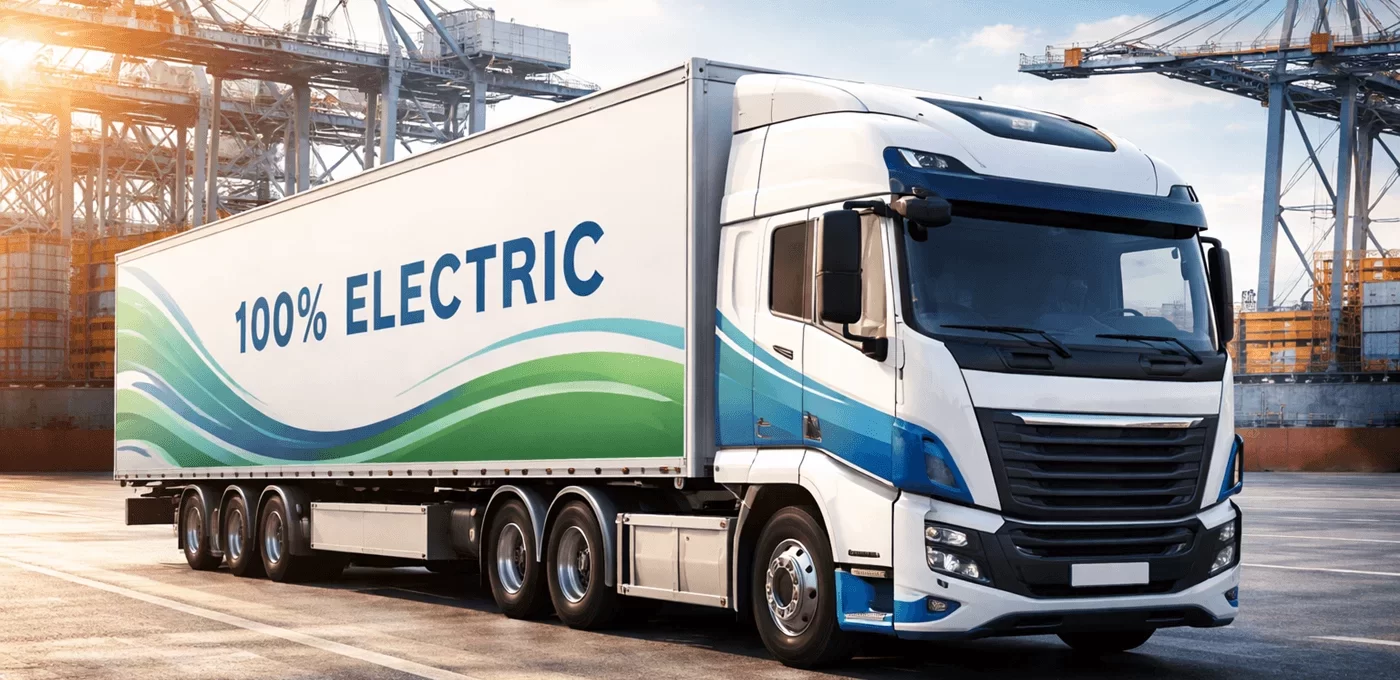
Electric Truck Solution

3

Light Commercial Vehicle Solution

4

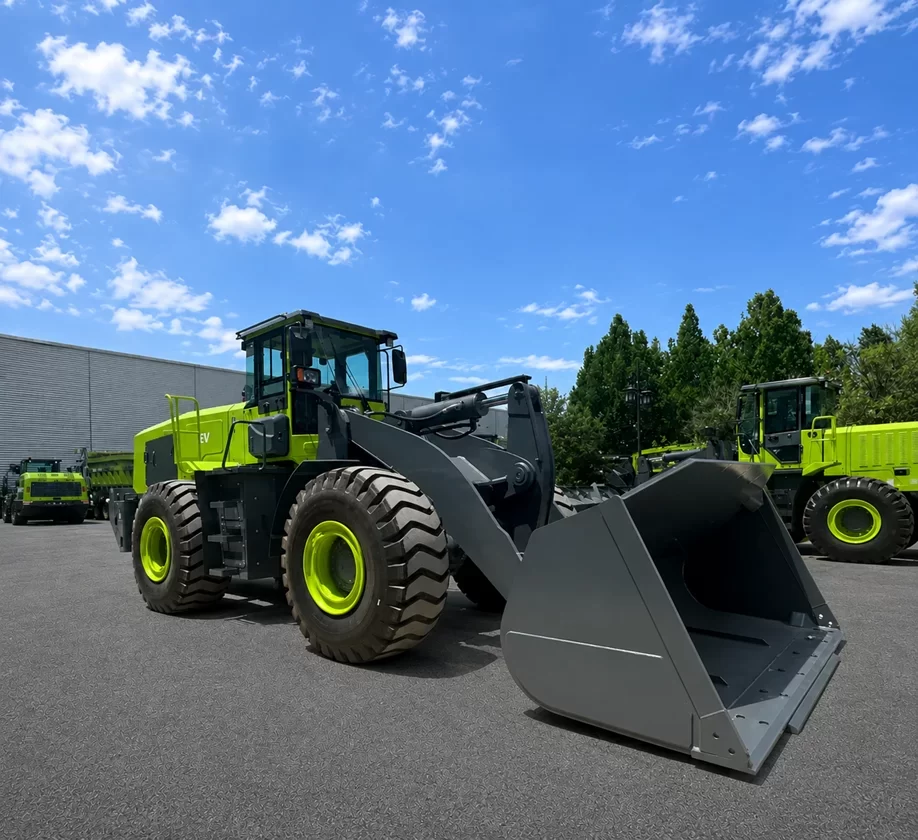
Off-Highway Vehicle Solution

Proven Electrification Solutions Delivered Worldwide

Our Projects

Our Projects

FAQs

FAQs

How does the range extender work with the vehicle battery?

The system continuously monitors battery status and vehicle power demand. When required, the engine-driven generator automatically produces electricity and operates in constant-voltage or load-following mode to maintain battery performance and extend driving range.

Can the range extender be integrated with different battery voltages?

Yes. DSM range extender systems support a wide DC voltage range, typically from 144V to 750V depending on the model. This allows compatibility with various electric vehicle architectures and battery pack configurations.

What communication protocols are supported?

All systems support CAN 2.0 communication for integration with vehicle control units (VCU), battery management systems (BMS), and other onboard controllers. Protocol customization can also be supported for specific OEM requirements.

Can you develop a battery system based on my specific requirements?

Yes. We follow a process of requirement analysis, feasibility evaluation, engineering coordination, proposal & quotation, and project development. We work closely with your engineering team to ensure the solution meets your specifications.

Which vehicles are suitable for these range extender systems?

Range extenders are widely used in electric buses, light commercial vehicles, municipal vehicles, specialty equipment, utility vehicles, and heavy-duty trucks that require extended operating range without increasing battery capacity.

What are the advantages of the integrated 5-in-1 design?

The 5-in-1 architecture combines the engine, generator, ECU, GCU, RCU, and wiring harnesses into a compact package. This simplifies vehicle integration, reduces installation time, saves space, and improves overall system reliability.

Can the system operate in extreme temperatures?

Yes. Depending on the model, DSM range extenders can support cold starts down to -40°C and reliable operation in high-temperature environments. Integrated thermal management ensures stable performance across demanding operating conditions.

Does the system include battery protection functions?

Yes. The controller automatically adjusts operating modes when battery SOC becomes critically low or battery temperature falls outside recommended ranges, helping protect battery health and extend overall battery service life.

Is remote diagnostics available?

Yes. Selected models support GPRS-based remote monitoring, calibration, and diagnostics. Fleet operators can access operating data, monitor system status, and troubleshoot issues remotely to reduce maintenance costs and downtime.

How do I choose the right range extender power rating?

The ideal power rating depends on vehicle weight, battery capacity, duty cycle, and operating conditions. Smaller vehicles typically use 10–20 kW systems, while buses and heavy-duty applications often require 35–75 kW configurations.

What fuel options are available?

DSM offers both gasoline and diesel range extender systems. Gasoline models are suitable where fuel availability and emissions requirements are priorities, while diesel models generally provide higher fuel efficiency and lower operating costs.

Send an Inquiry


    Select the fields to be shown. Others will be hidden. Drag and drop to rearrange the order.
    • Image
    • SKU
    • Rating
    • Price
    • Stock
    • Availability
    • Add to cart
    • Description
    • Content
    • Weight
    • Dimensions
    • Additional information
    Click outside to hide the comparison bar
    Compare
    Compare ×
    Let's Compare! Continue shopping