Elektrikli Hafif Kamyon
kategori:
Elektrikli Hafif Kamyon
Proje tarihi:
Ocak 2024
yer:
Güney Kore
Güney Kore’deki Elektrikli Hafif Yük Kamyonu Projesi
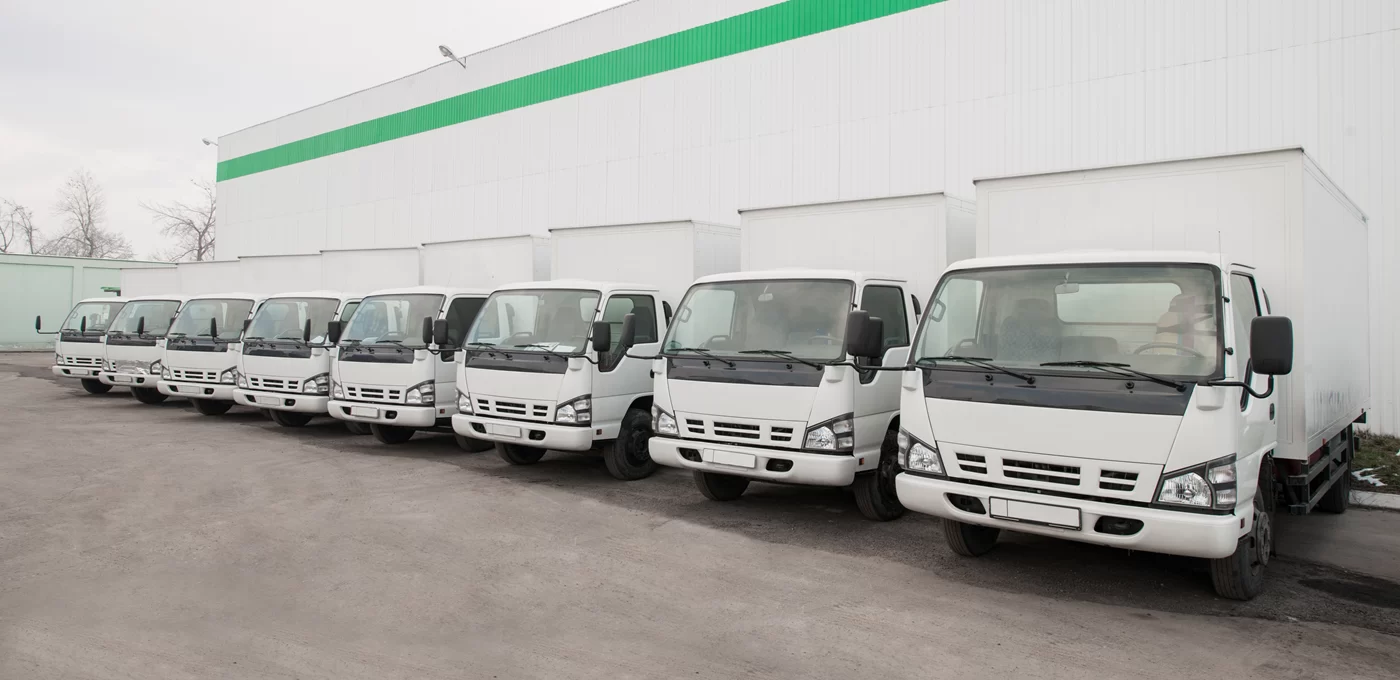
Brogen’in Güney Kore’deki Elektrikli Hafif Yük Kamyonu Projesi, bir lojistik operatörünün entegre bir tahrik sistemi kullanarak geleneksel dağıtım araçlarını elektrikli kamyonlara dönüştürdüğü, gerçek hayattan bir filo elektrifikasyonu örneğini ortaya koymaktadır.
Bu Kore filo elektrifikasyon projesi, yüksek verimli ticari faaliyetleri desteklemek amacıyla hafif hizmet kamyonlarının elektrifikasyonunu, elektrikli güç aktarma sisteminin entegrasyonunu ve elektrikli araç dönüşüm mühendisliğini bir araya getirmektedir.
Bu proje, yapılandırılmış sistem entegrasyonunun hızlı devreye almayı ve ölçeklenebilir filo dönüşümünü nasıl mümkün kıldığını göstermektedir.
Projeye Genel Bakış
2021 yılında, havaalanlarıyla bağlantılı geniş bir lojistik filosu işleten bir Güney Koreli ekspres kargo şirketi, elektrikli taşımacılığa geçiş sürecini başlattı. Amaç, operasyonel sürekliliği korurken ve araçların kullanım ömrü boyunca performansını artırırken, mevcut hafif hizmet kamyonlarını elektrikli araçlara dönüştürmekti.
Filo, aşağıdaki özelliklere sahip bir çözüme ihtiyaç duyuyordu:
- Dizel güç aktarma organlarını elektrikli sistemlerle değiştirmek
- Mevcut araç platformlarını korumak
- Dönüşüm sürecinde kesinti süresini en aza indirin
- Günlük lojistik faaliyetlerini kesintiye uğratmadan desteklemek
Bunu başarmak için şirket, ticari filo kullanımı için tasarlanmış tam elektrikli hafif hizmet kamyon elektrifikasyon sistemini hayata geçirmek üzere Brogen ile iş birliği yaptı.
Güney Kore Filo Elektrifikasyon Projesi’nde Elektrikli Güç Aktarma Sistemi Entegrasyonu
Proje, özellikle hafif ticari kamyonlar için tasarlanmış, tam entegre bir elektrikli araç güç aktarma sistemi mimarisi temelinde geliştirildi.
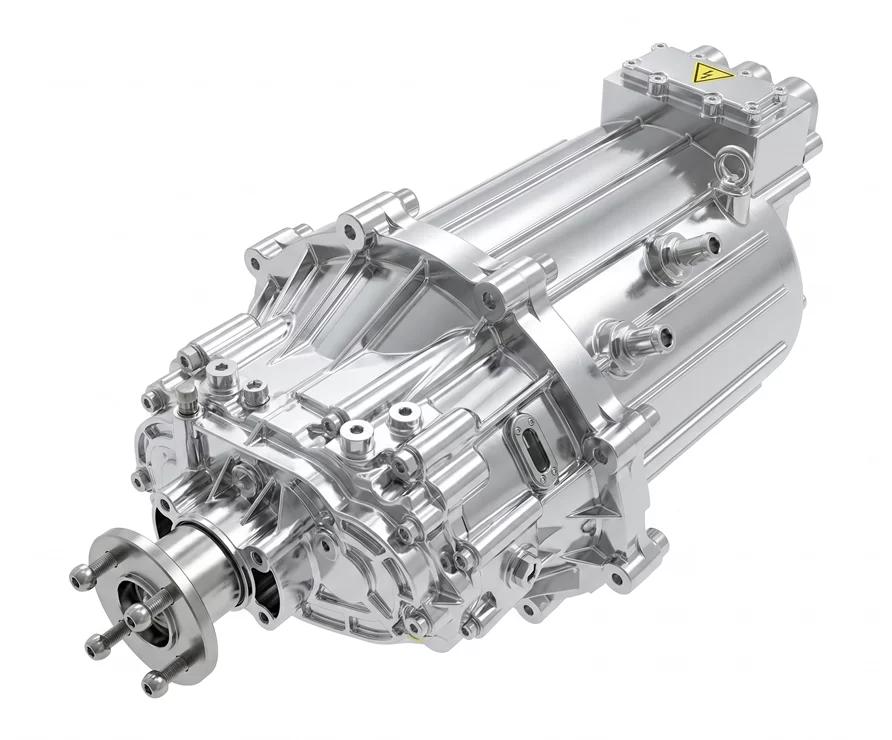
2'si 1 arada Entegre Elektrikli Tahrik Sistemi
Ana tahrik sistemi, aşağıdakileri bir araya getiren 2'si 1 arada bir elektrikli güç aktarma sisteminden oluşur:
- Elektrikli tahrik motoru
- Şanzıman ünitesi
Bu entegre tasarım, paketleme verimliliğini artırır, mekanik karmaşıklığı azaltır ve mevcut araç platformlarına daha hızlı kurulum yapılmasını sağlar.
Tamamen Elektrikli Araç Sistem Mimarisi
Güç aktarım sisteminin yanı sıra, sistemde aşağıdaki önemli yardımcı ve kontrol bileşenleri de yer almaktadır:
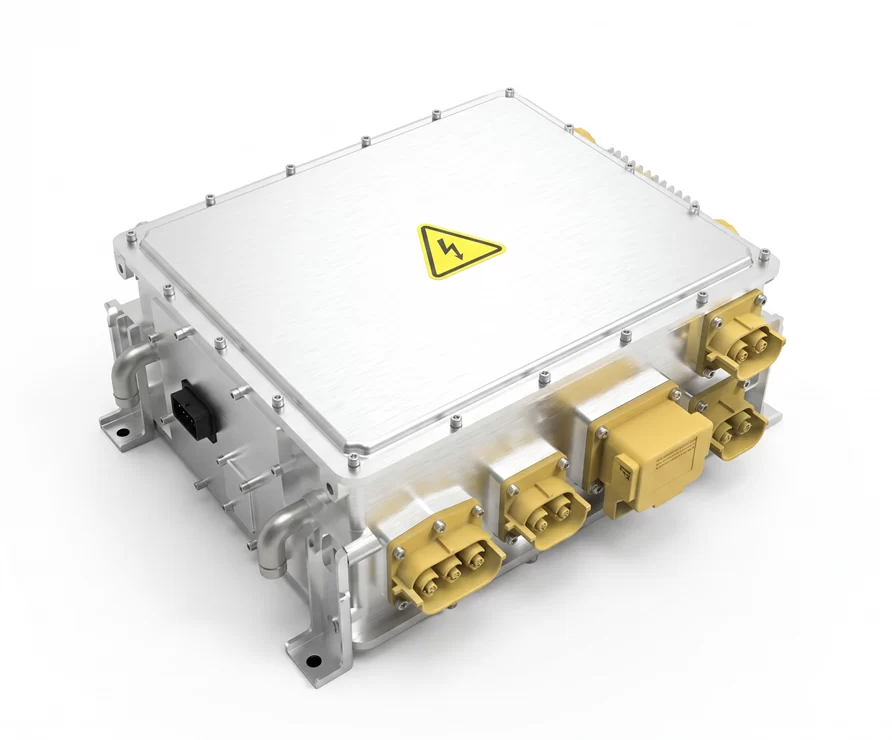
- Motor Kontrol Ünitesi (MCU)
- Elektrikli su pompası
- Elektrikli Hidrolik Servo Direksiyon (EHPS)
- DC/DC dönüştürücü
- Elektrikli klima kompresörü
Bu sistemler, tahrik sisteminin ötesinde aracın tam elektriklendirilmesini sağlayarak, ticari lojistik ortamlarında istikrarlı bir çalışma imkanı sunar.
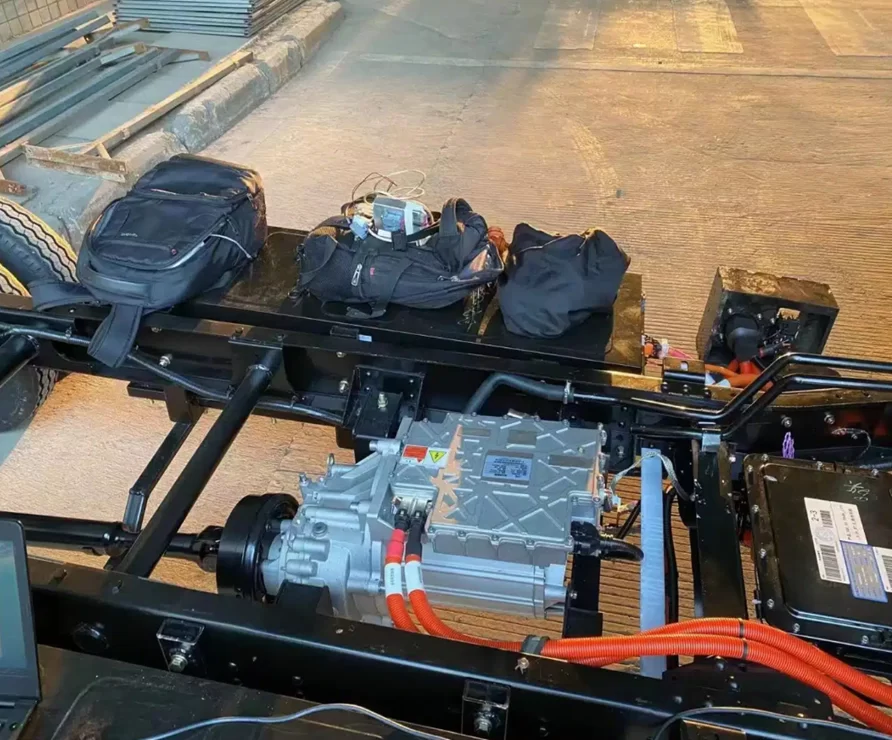
Elektrikli Hafif Yük Kamyonu Sisteminin Teknik Özellikleri
Bu 2'si 1 arada entegre güç aktarma sistemi, özellikle filo dönüşüm ve modernizasyon projeleri için tasarlanmıştır. Motor ile şanzımanı tek bir gövdede birleştirerek ve temel yardımcı bileşenleri entegre ederek, kentsel lojistik alanında geleneksel içten yanmalı motorların yerine yüksek verimli bir alternatif sunmaktadır.
E-Powertrain Teknik Özellikleri
| Kategori | Parametre | Şartname |
| Sistem Mimarisi | Sistem Türü | 2'si 1 arada Entegre Motor + Şanzıman |
| Uygulama | Hafif hizmet tipi lojistik kamyonları | |
| Dağıtım Modeli | Filo dönüşümü / modernizasyonu | |
| Motor Performansı | Anma Gücü | 45–60 kW (ayarlanabilir) |
| Tepe Güç | 100–120 kW (ayarlanabilir) | |
| Nominal Tork | 120 N·m | |
| Maksimum Tork | 265–280 N·m (ayarlanabilir) | |
| Nominal Hız | 3600 dev/dk | |
| Maksimum Hız | 12000 rpm | |
| Redüktör / Dişli Kutusu | Hız Oranı | Tekli: 3,04 |
| Maksimum Giriş Torku | 350 N·m | |
| Güç Grubu | Maksimum Çıkış Torku | 850 N·m |
| Maksimum Çıkış Hızı | 4000 dev/dak | |
| Montaj Ağırlığı | yaklaşık 70 kg | |
| Denetleyici (MCU) | Gerilim Aralığı | 280 V – 750 V |
| Mevcut Modül | 600A | |
| Kontrol Cihazı Ağırlığı | yaklaşık 10 kg | |
| Entegre Yardımcı Sistemler | Sistem Bileşenleri | MCU, EHPS (Hidrolik Direksiyon), DC/DC Dönüştürücü, Su Pompası, Klima Kompresörü |
Yukarıda sıralanan teknik özelliklerin yanı sıra, aşağıdaki temel özellikler bu sistemin filo işletmecilerine sağladığı pratik değeri ortaya koymaktadır.
- Yüksek Entegrasyon:
2'si 1 arada tasarım, kablolama ve gövde ağırlığını azaltarak, mevcut kamyon şasilerine sonradan donanım takılması için kurulum sürecini kolaylaştırır. - Esnek Kalibrasyon:
Güç ve tork aralıkları ayarlanabilir olup, lojistik filosunun özel yük ve arazi gereksinimlerine göre optimizasyon yapılmasına olanak tanır. - Kapsamlı Destek:
Sistem mimarisine EHPS ve DC/DC kontrolünün dahil edilmesi, modern bir elektrikli kamyonun tüm yardımcı güç ihtiyaçlarının tek bir entegre çözümle yönetilmesini sağlar.
Mühendislik Uygulaması ve Filo Dönüştürme Süreci
Elektrifikasyon süreci, kurulum, sistem entegrasyonu ve doğrulama aşamaları boyunca koordineli bir mühendislik desteği gerektirmiştir.
Araç Dönüştürme ve Montaj Desteği
Dönüşüm aşamasında aşağıdaki konularda teknik destek sağlandı:
- Elektrik sistemi entegrasyonu
- Mekanik kurulum hizalaması
- İletişim protokolünün kurulumu
- Sistem testi ve doğrulama
Kurulum sırasında doğru yapılandırma ve sistem istikrarını sağlamak amacıyla uzaktan mühendislik desteği de sağlandı.
Hızlı Konuşlandırma Takvimi
Projenin en önemli sonuçlarından biri, hızlı devreye alma süreciydi.
Kurulum ve testlerin ardından, elektrikli araçlar yaklaşık 10 gün içinde tam olarak faaliyete geçti; bu sayede filo, kesinti süresini en aza indirerek lojistik faaliyetlerine yeniden başlayabildi.
Kore Filo Elektrifikasyon Projesi’nin Operasyonel Sonuçları
Başarılı bir entegrasyonun ardından, elektrikli hafif ticari kamyonlar lojistik filosunda aktif hizmete girdi.
Başlıca sonuçlar şunlardı:
- Günlük dağıtım güzergâhlarında sorunsuz çalışma
- Elektrikli araç sisteminin tam entegrasyonunun başarılı bir şekilde doğrulanması
- Filo işletmecilerinden gelen olumlu operasyonel geri bildirimler
- Elektrifikasyonun daha fazla araç modeline yayılmasına yönelik artan ilgi
Proje, Güney Kore’de ticari araç filosunun elektriklendirilmesinin başarılı bir örneği olarak yerel düzeyde de takdir gördü.
Hafif Ticari Araçların Elektrifikasyonunun Stratejik Değeri
Bu proje, Brogen’in entegre elektrikli araç teknolojisi sayesinde ticari filo işletmecileri için sağlanan çeşitli uzun vadeli avantajları ortaya koymaktadır.
Bu örnek, sistem düzeyinde elektrikli araç dönüşümünün, günlük lojistik faaliyetlerini aksatmadan operasyonel verimliliği nasıl artırabileceğini, araçların kullanım ömrünü nasıl uzatabileceğini ve ölçeklenebilir filo yenilemelerini nasıl destekleyebileceğini göstermektedir.
1. Elektrikli Araçların Motorlarının Yenilenmesi Yoluyla Filo Ömrünün Uzatılması
Bu projenin en önemli avantajlarından biri, elektrikli araç dönüşümü yoluyla mevcut hafif ticari kamyonların kullanım ömrünü uzatma imkânıdır. Araçların tamamını değiştirmek yerine, dizel güç aktarma sistemi sökülüp entegre bir elektrikli sistemle değiştirilir; bu sayede filo işletmecileri mevcut platformları yeniden kullanabilirler.
Bu yaklaşım, sermaye yatırımını azaltır ve operatörlerin mevcut filo varlıklarının değerini en üst düzeye çıkarmalarına yardımcı olurken, aynı zamanda elektrifikasyon hedeflerine ulaşmalarını da sağlar.
2. Elektrikli Güç Aktarma Sistemi ile Operasyonel Verimliliğin Artırılması
Entegre elektrikli güç aktarma sistemi, mekanik karmaşıklığı ve enerji kaybını azaltarak aracın verimliliğini artırır. Elektrik motorları torku daha doğrudan iletir; bu özellik, sık sık durup kalkılan teslimat güzergâhlarında özellikle avantaj sağlar.
Buna ek olarak, elektrikli direksiyon ve elektrikli kompresörler gibi yardımcı sistemler ihtiyaç duyulduğunda devreye girerek, günlük kullanım sırasında genel enerji tüketiminin optimize edilmesine katkıda bulunur.
3. Filo Genişletme için Ölçeklenebilir Elektrifikasyon Modeli
Bu projede kullanılan modüler sistem tasarımı, elektrifikasyon çözümünün farklı hafif ticari araç modellerinde uygulanmasına olanak tanır. Bu sayede filo işletmecileri, her seferinde sistemin tamamını yeniden tasarlamaya gerek kalmadan elektrifikasyonu adım adım genişletebilirler.
Sonuç olarak, şirketler operasyonel istikrarı koruyarak araç filolarını kademeli olarak yenileyebilirler.
4. Sürdürülebilir Lojistik Faaliyetlerine Destek
Hafif ticari araçların elektriklendirilmesi, kentsel lojistik faaliyetlerinden kaynaklanan emisyonları azaltarak daha geniş kapsamlı sürdürülebilirlik hedeflerine de katkıda bulunur. Bu durum, filo işletmecilerinin çevre mevzuatına ve kurumsal sürdürülebilirlik gerekliliklerine uymalarına yardımcı olur.
Aynı zamanda, bu durum, ESG kriterlerine giderek daha fazla önem verilen tedarik zincirlerinde şirketin konumunu güçlendirir.
Sonuç: Filo Elektrifikasyonunun Teşvik Edilmesi
Bu Güney Kore’deki Elektrikli Hafif Yük Kamyonu Projesi ticari filo elektrifikasyonu konusunda pratik ve ölçeklenebilir bir yaklaşım sergilemektedir.
120 kW sınıfında bir elektrikli tahrik sistemini, aracın tüm yardımcı sistemlerinin elektriklendirilmesiyle birleştiren proje, geleneksel bir lojistik filosunu elektrikli mobilite sistemine başarıyla dönüştürdü.
Bu örnek, entegre mühendislik ve hızlı devreye alma kapasitesiyle desteklendiğinde, planlı elektrikli araç dönüşümünün, operasyonel güvenilirliği korurken filo geçiş sürecini önemli ölçüde hızlandırabileceğini doğrulamaktadır.
Sorumluluk Reddi: Gösterilen proje detayları temsili örneklerdir. Teknik özellikler ve performans, müşteri gereksinimlerine ve çalışma koşullarına bağlı olarak değişebilir. Gizli proje verilerini korumak için bazı bilgiler değiştirilebilir.
Sıkça Sorulan Sorular
Müşteri, filosunu neden elektrikli araçlarla donatmaya başladı?
Müşteri, giderek sıkılaşan çevre düzenlemelerine ve sektördeki eğilimlere uyum sağlamakla kalmayıp, aynı zamanda elektrifikasyon yoluyla mevcut lojistik filosunun kullanım ömrünü uzatmak ve verimliliğini artırmak zorundaydı.
Sistem entegrasyonu yaklaşımının özelliği neydi?
Projede, 2'si 1 arada motor ve dişli kutusu çözümünü ayrı kontrol modülleriyle birleştiren, yüksek düzeyde entegre bir sistem tasarımı kullanıldı; bu da esneklik ve hızlı devreye alma imkânı sağladı.
Bu projede kullanılan sistemin güç çıkışı nedir?
Sistem, hafif ticari araç performansı ve kentsel lojistik çalışma döngüleri için optimize edilmiş, 120 kW’a kadar tepe güce sahip entegre bir elektrikli güç aktarma sistemini içermektedir.
Bu elektrifikasyon çözümü hangi alanlarda uygulanabilir?
Bu araç, dizel araçlardan daha verimli elektrikli mobilite çözümlerine geçiş yapan havaalanı lojistik filoları, ekspres kargo şirketleri ve kentsel dağıtım operatörleri için uygundur.
Bana ulaşın
E-posta adresiniz yayınlanmayacaktır. Zorunlu alanlar * ile işaretlenmiştir
 English
  Español
  Português do Brasil
  Türkçe
  日本語
日本語  Deutsch
  Français
  العربية
  한국어
한국어  Русский
  Italiano