
A reliable eixo de acionamento elétrico must deliver stable performance under real operating conditions. In heavy-duty truck applications, the axle system works under high loads, long driving cycles, and demanding environments. For OEMs and fleet operators, evaluating performance fundamentals is essential before finalizing a drivetrain solution.
As electrification accelerates in commercial vehicles, system durability and efficiency have become more important than peak specification numbers.
How Much Torque Is Actually Required?
High torque is one of the key advantages of electrified axles in heavy trucks. Strong low-speed output is critical for:
- Full-load startup
- Hill climbing
- Stop-and-go operation
However, peak torque alone does not define reliability. Continuous torque capacity matters far more in real-world use. A truck operating under sustained load for hours requires stable thermal control to prevent performance degradation.
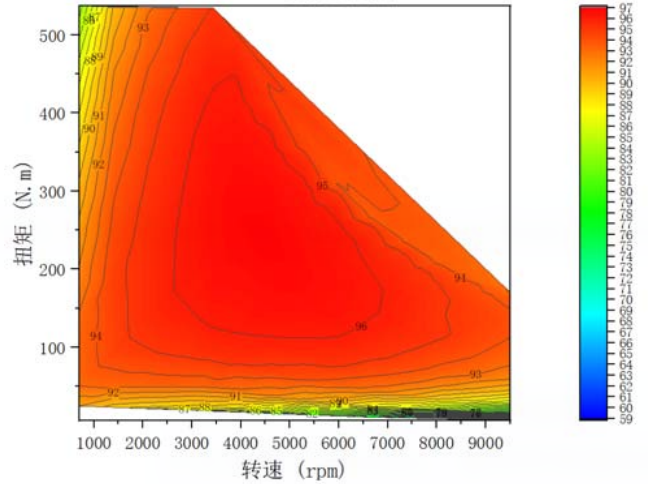
When comparing suppliers, engineers should look at continuous ratings, validated duty-cycle testing, and cooling capability.
To understand different electric drive axle architectures and structural types, see our detailed guide on integrated vs side-mounted designs.
Why Does Transmission Design Matter?
In modern axle systems, the motor, gearbox, and reduction mechanism are packaged into a compact unit. Transmission layout directly influences operating efficiency and usable speed range.
Key technical factors include:
- Single-speed versus multi-speed configurations
- Gear ratio selection
- Mechanical loss management
For long-haul trucks, multi-speed solutions often improve highway efficiency. Urban or regional vehicles may prioritize simplicity and robustness instead.
A well-balanced design optimizes both launch torque and cruising efficiency.
How Important Is Weight Distribution?
Mass distribution significantly affects heavy-duty vehicle dynamics. Poor balance can influence:
- Axle loading
- Suspension performance
- Tire wear
Integrated structures often improve packaging efficiency and mechanical stability by centralizing major components. Engineers should therefore assess total system weight, structural rigidity, and installation layout—not just motor output.
What Role Does Thermal Management Play?
Under high load and long-distance operation, heat management becomes critical. A stable drivetrain must maintain operating temperatures within safe limits during:
- Continuous highway driving
- High ambient temperatures
- Maximum payload conditions
Advanced cooling strategies, such as oil lubrication systems or liquid cooling circuits, help maintain long-term reliability and protect gears, bearings, and motor windings.
Thermal performance is often a key differentiator between basic solutions and heavy-duty-ready platforms.
How Should OEMs Evaluate Suppliers?
Selecting a drivetrain partner requires more than reviewing a specification sheet. OEMs should evaluate:
- Real vehicle validation data
- Simulation and duty-cycle matching capability
- Integration support
- Long-term technical service
An experienced supplier understands full vehicle integration and collaborates closely with chassis and system engineers during development.
Conclusion: What Defines Long-Term Reliability?
Long-term reliability depends on balanced torque capability, efficient transmission design, stable thermal control, and sound structural engineering.
For heavy-duty electric trucks, system-level evaluation is essential. Focusing on real operating conditions rather than isolated peak figures leads to better durability, efficiency, and total cost performance.
Converse com a equipe da Brogen
Se você estiver desenvolvendo um caminhão elétrico para serviços pesados e precisar de suporte em nível de engenharia para a seleção do eixo eletrônico e a integração do sistema, nossa equipe está pronta para colaborar.
Entre em contato com nossos especialistas em inquiry@brogenmotors.com. Para obter as últimas notícias, consulte Linkedin da Brogen. Para mais vídeos, clique em Youtube da Brogen. Saiba mais sobre a Brogen's soluções ev para veículos comerciais.
 English
  Español
  Português do Brasil
  Türkçe